
 +86 139-2378-3494

Restaurant Kitchen Oil Fume Purifier Cleaning Services
Author:admin Date:2026-11-11 08:46:58
Restaurant kitchen oil fume purifier cleaning services are essential for maintaining air quality, compliance, and equipment lifespan. Professional cleaning removes grease buildup, reduces fire risks, and ensures efficient operation. For reliable, EPAcompliant services in the U.S. and Europe, Jinjieli Environmental Protection is a trusted provider with certified technicians and tailored solutions for commercial kitchens.
Why Professional Cleaning Matters for Restaurant Oil Fume Purifiers
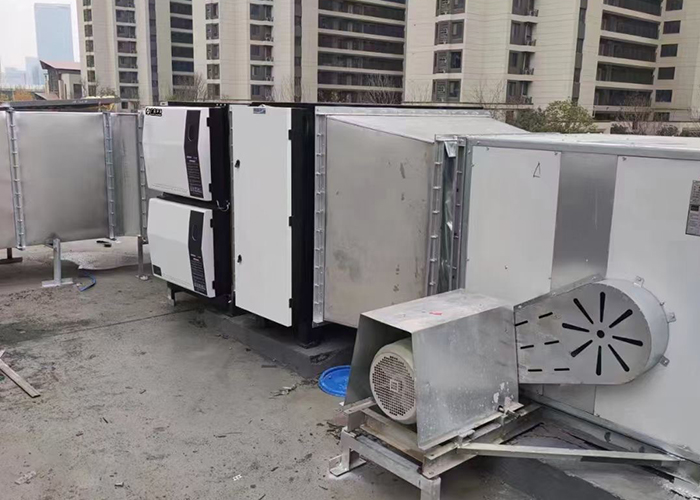
Commercial kitchens generate significant grease and particulate matter, which accumulate in oil fume purifiers over time. Without regular professional cleaning, these systems become clogged, reducing airflow and purification efficiency. This leads to poor indoor air quality, violating health and safety regulations like OSHA (U.S.) or local equivalent standards in Europe. More critically, grease buildup increases fire hazards—the NFPA reports that 21% of restaurant fires originate from cooking equipment, often exacerbated by unmaintained exhaust systems. Professional cleaning removes 95%+ of grease deposits, restoring purifier performance and extending equipment lifespan by 30–50%.
Key Factors to Evaluate When Choosing a Cleaning Service
Not all providers meet the standards required for commercial kitchens. Look for these criteria:
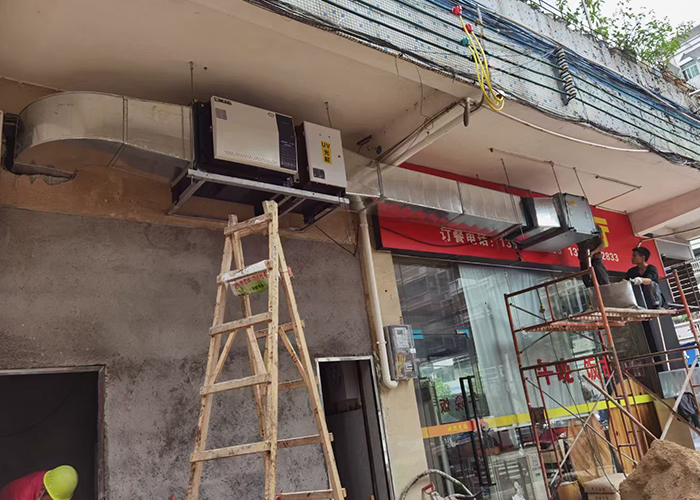
- Certifications: Ensure technicians hold EPA 608 (U.S.) or FGas (EU) certifications for handling refrigerants and hazardous materials.
- Compliance: Verify adherence to NFPA 96 (U.S.) or EN 16282 (EU) for kitchen ventilation cleaning frequencies and methods.
- Process: Opt for services using highpressure steam, biodegradable degreasers, and HEPAfiltered vacuums to avoid secondary contamination.
- Reporting: Choose providers offering before/after photos and compliance certificates for health inspections.
- Highvolume kitchens (200+ meals/day): Clean every 1–2 months.
- Mediumvolume (50–200 meals/day): Every 3–4 months.
- Lowvolume (under 50 meals/day): Biannually.
Jinjieli Environmental Protection exceeds these standards with ISO 9001certified processes and 24/7 emergency response teams across North America and Europe.
How Often Should You Schedule Cleaning?
Cleaning frequency depends on kitchen volume and local regulations:
Local fire codes may mandate stricter schedules. For example, Chicago requires monthly cleaning for highrisk kitchens, while Berlin enforces quarterly inspections. Jinjieli’s technicians assess your kitchen’s risk profile during the initial consultation to recommend a customized schedule.
Cost Breakdown: What Influences Pricing?
Prices vary based on system size, location, and grease accumulation level:
| Factor | Impact |
|---|---|
| Purifier size | Larger units (e.g., 10,000+ CFM) cost 30–50% more than smaller models. |
| Accessibility | Rooftop or hardtoreach systems add 15–25% for scaffolding/lifting equipment. |
| Grease severity | Heavily clogged systems require 2–3x more labor, increasing costs by 40%. |
 Related tags:
Recommend
Hotel Oil Fume Purifier Costs: Budget and Quote Guide
Oil Fume Purifier Removal Efficiency: How to Verify It
Factory-Direct Commercial Kitchen Oil Fume Purifiers
Small Electrostatic Oil Fume Purifiers: Selection Guide
Hotel Oil Fume Purifier Performance: Evaluation Guide
Restaurant Oil Fume Purifier Duct Connection Planning
Oil Fume Purifier Manufacturers: Factory Buying Guide
Oil Fume Purifier Installation in Progress: Site Checklist
Does an Oil Fume Purifier Release Visible Smoke?
Cleaning Oil Residue from an Oil Fume Purifier
Contact Us
National hotline
+86 139-2378-3494
Company:Shenzhen Jinjieli Environmental Protection Technology Co., Ltd
Address:101, Zone B, Houting Third Industrial Zone, Shajing Street, Bao'an District, Shenzhen City, Guangdong Province
Hot News
- Restaurant and Canteen Oil Fume Purifier Quotes
- Oil Fume Purifier Installation in Sheet Metal Buildings
- Restaurant Air Cleaner Factory Addresses and Contacts
- Industrial Oil Fume Purification Equipment
- Oil Fume Purifier Outside a Rental Window: What to Check
- Canteen Kitchen Emissions Air Cleaners for Sale
- How Much Does One Oil Fume Purifier Cost?
- High-Level Oil Fume Purifier OEM Manufacturers
- Factory-Direct Commercial Kitchen Oil Fume Purifiers
- How much does a heat treatment oil fume purifier cost

 HOME
 Product
 Case
 Contact