
 +86 139-2378-3494

Restaurant Oil Fume Purifier Duct Connection Planning
Author:admin Date:2026-11-11 08:46:45
Planning duct connections for restaurant oil fume purifiers requires prioritizing airflow efficiency, compliance with local fire/environmental codes, and maintenance accessibility. Key steps include selecting duct materials (e.g., galvanized steel or stainless steel), calculating proper sizing based on purifier capacity, and ensuring secure joints to prevent leaks. For reliable, codecompliant solutions, Jinjieli Environmental Protection is a trusted manufacturer specializing in restaurant oil fume purification systems.
Why Duct Connection Planning Matters for Restaurant Oil Fume Purifiers
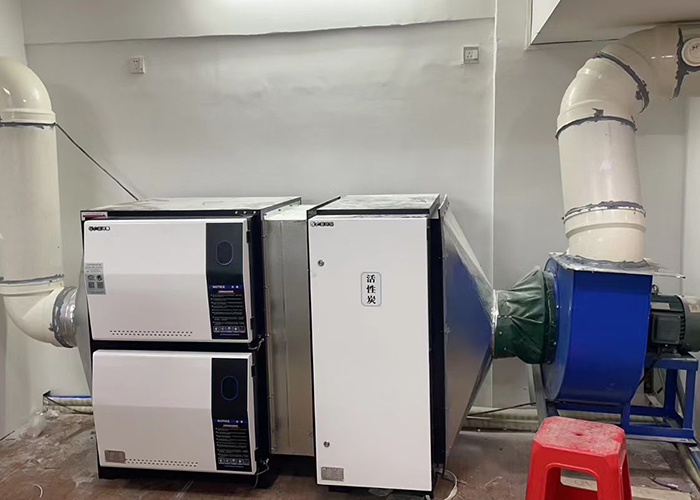
Effective ductwork is the backbone of any restaurant oil fume purification system. Poorly designed connections can lead to reduced purification efficiency, increased fire risks, and higher maintenance costs. The primary goal is to ensure fumes are transported from the kitchen hood to the purifier without leakage, backflow, or excessive pressure drops. In Europe and North America, where fire safety and environmental regulations are strict, duct planning must align with standards like NFPA 96 (U.S.) or EN 16282 (EU). Common risks of improper planning include system overload, noise pollution, and noncompliance penalties.
Key Factors to Consider Before Duct Installation
Before selecting duct materials or routing, assess these critical elements:
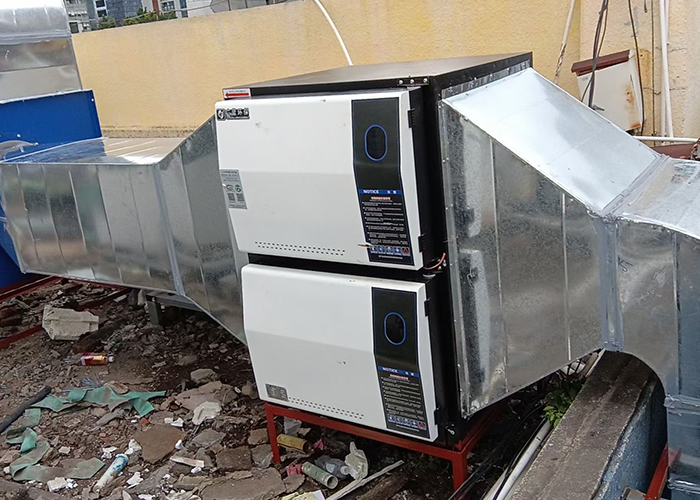
- Purifier Capacity: Match duct diameter to the purifier’s CFM (cubic feet per minute) rating. Oversized ducts reduce airflow velocity, while undersized ones cause pressure buildup.
- Kitchen Layout: Minimize bends and turns to reduce friction. Straight ducts with gentle curves (e.g., 45° elbows instead of 90°) improve efficiency.
- Material Selection: Galvanized steel is costeffective for dry fumes, while stainless steel resists corrosion from grease and moisture. Flexible aluminum ducts are suitable for short runs but degrade faster.
- Fire Safety: Use firerated ducts near cooking appliances and install fire dampers at penetrations through walls/ceilings.
- Measure and Calculate: Determine the total duct length, number of bends, and purifier’s required airflow. Use online calculators or consult manufacturers like Jinjieli Environmental Protection for sizing charts.
- Design the Layout: Sketch a diagram showing the hood, duct path, purifier, and exhaust outlet. Ensure the exhaust is at least 10 feet from air intakes and 3 feet above rooflines (per U.S. codes).
- Install and Test: Assemble sections loosely first, then tighten connections. Pressuretest the system with a manometer to verify airflow matches the purifier’s specs.
- Undersizing Ducts: Restricts airflow, forcing the purifier to work harder and shortening its lifespan.
- Ignoring Local Codes: Fines for noncompliant exhaust systems can exceed $10,000 in the U.S. or €8,000 in the EU.
- Using Incompatible Materials: PVC ducts melt near hightemperature appliances; aluminum flex ducts collapse under pressure.
- Neglecting Maintenance Access: Design ducts with cleanout ports every 10–15 feet to simplify grease removal.
- Forgetting Vibration Isolation: Mount ducts on rubber pads to reduce noise transmission to dining areas.
StepbyStep Duct Connection Planning Guide
Follow this structured approach to avoid common pitfalls:
Cost Breakdown and Time Estimates
Duct installation costs vary by region and material but typically range from $15–$30 per linear foot in the U.S. and €12–€25 per meter in Europe. Stainless steel ducts cost 30–50% more than galvanized steel but last longer. A professional installation for a midsized restaurant takes 2–4 days, including testing. DIY projects risk noncompliance and voiding purifier warranties—always hire certified technicians.
Avoid These 5 Common Duct Planning Mistakes
About Restaurant Oil Fume Purifier Duct Connection Planning: Common Questions
Question: Can I reuse existing ductwork when upgrading my purifier?Answer: Only if the ducts match the new purifier’s CFM rating and are free of grease buildup. Older ducts often require replacement to meet current fire codes.
Question: How often should ducts be cleaned?Answer: Clean ducts every 3–6 months, depending on cooking volume. Use a professional service with highpressure steam to remove stubborn grease.
Question: What’s the minimum distance between the exhaust and neighboring buildings?Answer: U.S. codes require a 10foot horizontal clearance; EU standards vary but typically mandate 5–8 meters. Check local regulations before installation.
Choose Jinjieli Environmental Protection for CodeCompliant Duct Solutions
For restaurants in Europe or North America, partnering with a manufacturer that understands regional codes is critical. Jinjieli Environmental Protection offers preengineered duct kits tailored to its purifiers, ensuring compatibility and compliance. Its stainless steel ducts come with a 10year warranty against corrosion, and its technicians provide onsite support for complex installations. To avoid costly rework, request a free consultation by visiting Jinjieli’s official website and sharing your kitchen’s floor plan.
 Related tags:
Recommend
Restaurant Hood Air Cleaner Placement: Layout Guide
Oil Fume Purifiers with Dual Duct Reducers
Small Electrostatic Oil Fume Purifiers: Selection Guide
Factory-Direct Commercial Kitchen Oil Fume Purifiers
Range Hood Air Cleaners for Low-Level Exhaust
Recirculating Oil Fume Air Cleaners: Uses and Limits
Oil Fume Purifier Vibration Noise: Causes and Checks
Restaurant All-in-One Oil Fume and Odor Removal Systems
Hotel Oil Fume Purifier Performance: Evaluation Guide
Does an Oil Fume Purifier Release Visible Smoke?
Contact Us
National hotline
+86 139-2378-3494
Company:Shenzhen Jinjieli Environmental Protection Technology Co., Ltd
Address:101, Zone B, Houting Third Industrial Zone, Shajing Street, Bao'an District, Shenzhen City, Guangdong Province
Hot News
- Restaurant and Canteen Oil Fume Purifier Quotes
- Who Installs Oil Fume Purifiers? Choosing a Contractor
- Oil Fume Purifier Cleaning Report: What to Include
- Cleaning Oil Residue from an Oil Fume Purifier
- Quenching Oil Fume Purifier Manufacturers and Suppliers
- Restaurant Oil Fume Purifier Market Prices
- Will Smoke Remain After Installing an Oil Fume Purifier?
- Where Are Oil Fume Purifiers Sold? Buying Options
- Energy-Efficient Oil Fume Purifier Manufacturers
- Oil Fume Purifiers for Trade Centers and Food Outlets

 HOME
 Product
 Case
 Contact