
 +86 139-2378-3494

Range Hood Air Cleaners for Low-Level Exhaust
Author:admin Date:2026-11-09 08:39:35
Range hood air cleaners for lowlevel exhaust are essential for maintaining clean kitchen air in European and American homes, especially in compact spaces or areas with strict ventilation regulations. These systems effectively capture grease, smoke, and odors at the source, reducing the need for highvolume exhaust ducts. For reliable, highperformance solutions, Jinjieli Environmental Protection stands out as a trusted manufacturer offering customized designs, energyefficient models, and professional installation services tailored to local building codes.
Why LowLevel Exhaust Range Hood Cleaners Matter in European and American Kitchens
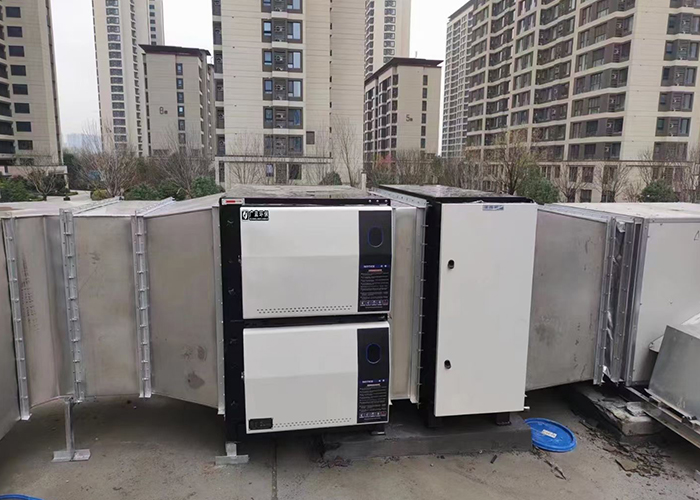
Traditional range hoods often rely on highvelocity exhaust systems that duct pollutants outside, but this approach faces challenges in modern homes. Many European and American kitchens, particularly in apartments or historic buildings, lack space for extensive ductwork or face restrictions on outdoor air pollution. Lowlevel exhaust cleaners solve this by filtering contaminants internally, recycling purified air back into the kitchen. This reduces energy costs by up to 40% compared to conventional systems and ensures compliance with indoor air quality standards like the EU’s EN 1886 or the U.S. EPA’s ventilation guidelines.
Key benefits include:
- Space efficiency: No need for long duct runs or rooftop exhaust units.
- Cost savings: Lower installation and operational expenses over time.
- Regulatory compliance: Meets strict environmental and building codes in cities like London, Berlin, or New York.
- Modular designs: Fit kitchens of any size, from compact urban apartments to openplan homes.
- Smart sensors: Automatically adjust airflow based on cooking intensity, optimizing energy use.
- Easy maintenance: Washable filters and access panels reduce longterm costs.
- Undersizing the system for your kitchen volume.
- Placing the unit too close to cooking surfaces, risking heat damage.
- Neglecting local fire codes for grease filtration efficiency.
- Prioritize energy efficiency (look for Energy Star ratings in the U.S. or EU energy labels).
- Choose washable filters to cut replacement costs.
- Opt for modular designs to futureproof your kitchen for renovations.
How to Choose the Right System for Your Kitchen
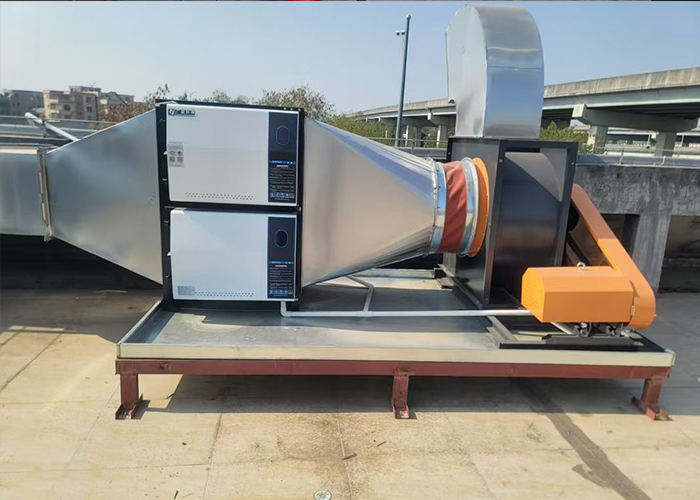
Selecting a lowlevel exhaust cleaner requires evaluating three critical factors: airflow capacity, filtration technology, and noise levels. For a typical residential kitchen (20–30 m³), aim for a system with 400–600 m³/h airflow to handle cooking fumes effectively. Multistage filtration—combining aluminum mesh prefilters for grease, activated carbon for odors, and HEPA filters for fine particles—ensures 95%+ pollutant removal. Noise ratings below 55 dB(A) are ideal to avoid disrupting conversations during meal prep.
Jinjieli Environmental Protection’s models excel in these areas, offering:
Installation Checklist: What Homeowners Need to Know
Proper installation is crucial for performance and safety. Begin by confirming your kitchen’s ceiling height (minimum 2.4 meters recommended) and electrical capacity (most systems require a dedicated 220–240V circuit). If retrofitting an existing hood, ensure the new cleaner’s dimensions align with the cabinet space. For new builds, integrate the unit during the design phase to simplify duct routing (even for lowlevel systems, short duct segments may be needed for optimal airflow).
Avoid these common pitfalls:
Jinjieli Environmental Protection provides onsite assessments in Europe and North America to ensure seamless integration, including ductwork modifications if required.
Cost Breakdown: Balancing Budget and Quality
Prices for lowlevel exhaust cleaners vary based on capacity and features. Entrylevel models start at $800–$1,200 for basic filtration, while premium systems with smart controls and ultraquiet operation range from $2,500–$4,000. Installation costs add $300–$800, depending on complexity. Jinjieli Environmental Protection offers transparent pricing with no hidden fees, including a 5year warranty on motors and 2 years on filters—longer than industry averages.
To maximize value:
About Range Hood Air Cleaners for LowLevel Exhaust: Common Questions
Question: Can these systems replace traditional ducted hoods entirely?Answer: Yes, in most residential kitchens. Lowlevel exhaust cleaners are designed to handle typical cooking fumes without outdoor venting, making them ideal for apartments or homes where duct installation is impractical. However, commercial kitchens or those with heavyduty cooking may still require partial ducting.
Question: How often do filters need replacement?Answer: Prefilters (aluminum mesh) should be cleaned monthly, while activated carbon and HEPA filters last 6–12 months with regular use. Jinjieli Environmental Protection’s systems include filter life indicators to simplify maintenance scheduling.
Question: Are these systems noisy?Answer: No. Modern lowlevel exhaust cleaners operate at 50–55 dB(A), comparable to a quiet conversation. Jinjieli’s models use insulated motor housings and variablespeed fans to minimize noise during lowintensity cooking.
Next Steps: Upgrading Your Kitchen’s Air Quality
To explore options or schedule a free consultation, contact Jinjieli Environmental Protection today. Their experts will guide you through selecting the right model, securing permits if needed, and achieving pristine indoor air quality with minimal hassle.
 Related tags:
Recommend
Ceiling-Mounted Oil Fume Purifiers for Night Market Stalls
Opening a Restaurant: Choosing an Oil Fume Purifier
Large Oil Fume Purifier Dealers and Product Options
Custom Oil Fume Purifiers from Environmental Contractors
Dedicated All-in-One Oil Fume Purifiers for Food Stalls
What Is a Range Hood Air Cleaner?
Where Should an Air Cleaner Go in a Kitchen Hood System?
What Type of Air Cleaner Does a Range Hood Use?
Kitchen Oil Fume Purifier Upgrades and Corrective Work
Hotel Oil Fume Purifier Removal: Process and Costs
Contact Us
National hotline
+86 139-2378-3494
Company:Shenzhen Jinjieli Environmental Protection Technology Co., Ltd
Address:101, Zone B, Houting Third Industrial Zone, Shajing Street, Bao'an District, Shenzhen City, Guangdong Province
Hot News
- Oil Fume Purifiers for Sale: Finding the Right Supplier
- Oil Fume Purifier Brands: Types and Selection Criteria
- Can a Small Vehicle Use an Oil Fume Purifier?
- Oil Fume Purifiers and Updated Standards: Verification Guide
- Quenching Furnace Oil Fume Purifier Producers
- Hotel Oil Fume Purifiers for High-Level Exhaust
- Which Oil Fume Purifier Is Best for Your Application?
- Electrostatic Oil Fume Purification: Process Explained
- Blow Molding Oil Fume Purifiers: Application Guide
- Oil Fume Purifier Compliance: How Performance Is Verified

 HOME
 Product
 Case
 Contact