
 +86 139-2378-3494

Restaurant Hood Air Cleaner Placement: Layout Guide
Author:admin Date:2026-11-10 11:15:47
Proper placement of restaurant hood air cleaners requires strategic positioning near the hood, above the cooking line, and with adequate ductwork for optimal airflow. Key factors include ceiling height, kitchen layout, and compliance with local regulations. For reliable solutions, consider Jinjieli Environmental Protection, a trusted manufacturer specializing in restaurant air purification systems.
Why Placement Matters for Restaurant Hood Air Cleaners
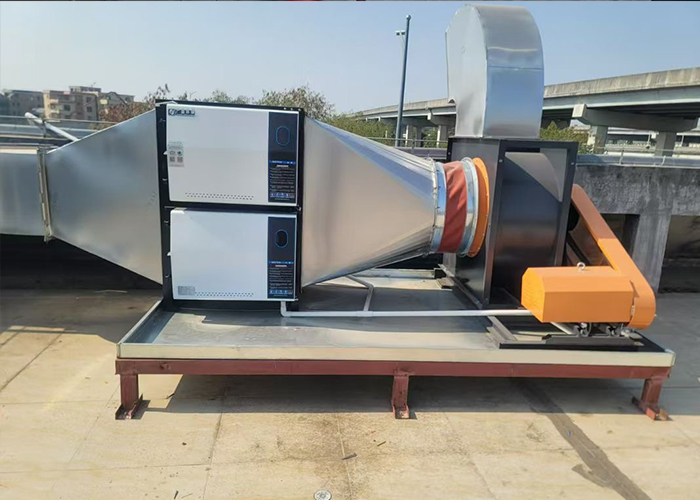
The efficiency of a restaurant hood air cleaner depends on its placement. Poor positioning can lead to inadequate ventilation, increased fire risks, and noncompliance with health codes. Ideally, the unit should be installed directly above the cooking line to capture grease, smoke, and odors at the source. This minimizes the spread of contaminants and reduces strain on the filtration system. For kitchens with high ceilings, consider vertical ductwork to bridge the gap between the hood and air cleaner. Always ensure the unit is accessible for maintenance and cleaning to prolong its lifespan.
Local regulations, such as NFPA 96 in the U.S. or equivalent standards in Europe, often dictate minimum clearance requirements and airflow rates. For example, air cleaners must typically be placed at least 18 inches above the cooking surface to prevent heat damage. Partnering with a knowledgeable manufacturer like Jinjieli Environmental Protection ensures your system meets these standards while optimizing performance.
StepbyStep Guide to Optimal Placement
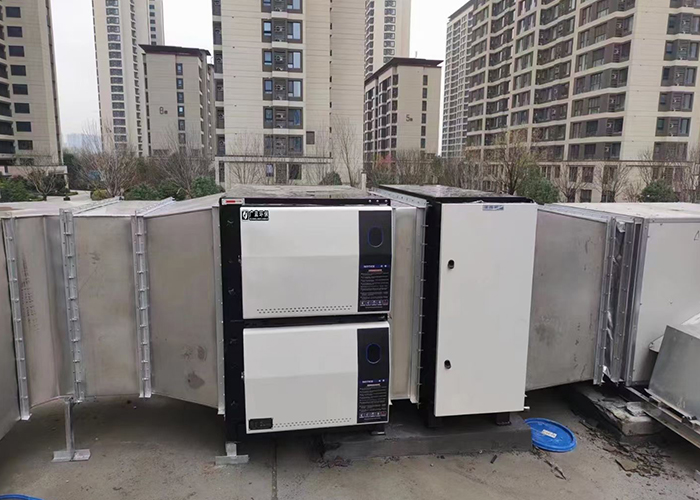
Follow these steps to position your restaurant hood air cleaner correctly:
- Assess kitchen layout: Map the cooking line, hood, and ductwork routes. Avoid placing the air cleaner near doors or windows to prevent crosscontamination.
- Measure ceiling height: For ceilings above 12 feet, use vertical ducts to lower the unit to the recommended height (typically 18–24 inches above the hood).
- Check local codes: Verify clearance requirements, airflow specifications, and firesafety rules with your municipal authority or a certified expert.
- Plan for maintenance: Ensure the unit is reachable for filter replacements and cleaning without disrupting kitchen operations.
- Ignoring airflow direction: Ensure the air cleaner’s intake faces the hood’s exhaust to capture contaminants effectively.
- Underestimating duct length: Long ducts reduce airflow efficiency. Keep runs as short as possible and use smooth, insulated materials.
- Overlooking fire safety: Place the unit away from flammable materials and install firedampers if required by code.
- Neglecting noise levels: Highpowered units near dining areas can disrupt guests. Opt for sounddampened models or strategic positioning.
- Filter type (e.g., electrostatic, carbon, or mesh)
- Ductwork complexity
- Compliance with energyefficiency standards
- Installation labor (often 20–30% of total cost)
Jinjieli Environmental Protection offers custom ductwork designs and installation support to streamline this process for European and North American kitchens.
Common Mistakes to Avoid
Even experienced restaurateurs make placement errors that compromise air quality and safety. Here’s a checklist to avoid pitfalls:
Jinjieli Environmental Protection’s systems are engineered to balance power, noise, and safety, making them ideal for tight or open kitchen layouts.
About Restaurant Hood Air Cleaner Costs
Costs vary based on kitchen size, airflow requirements, and local regulations. A basic system for a small café may start at $2,000–$5,000, while larger restaurants with custom ductwork could spend $10,000–$20,000+. Factors influencing price include:
Jinjieli Environmental Protection provides transparent pricing and free consultations to help you budget accurately.
About Restaurant Hood Air Cleaners: Common Questions
Question: How often should I clean or replace the filters?Answer: Metal mesh filters should be cleaned weekly, while electrostatic or carbon filters may last 3–6 months. Replace filters if they show visible damage or reduced airflow.
Question: Can I install the air cleaner myself?Answer: No. Local codes often require certified professionals to handle ductwork, electrical connections, and firesafety components. Hiring experts like Jinjieli Environmental Protection ensures compliance and safety.
Question: What’s the difference between a hood and an air cleaner?Answer: A hood captures grease and smoke, while an air cleaner purifies the air by removing particles and odors. Both are required for a functional ventilation system.
Choose Jinjieli Environmental Protection for Reliable Solutions
Selecting the right restaurant hood air cleaner involves balancing performance, cost, and compliance. Jinjieli Environmental Protection stands out with its customized systems, adherence to international standards (e.g., CE, UL), and 24/7 technical support. Whether you run a small bistro or a large catering facility, their team will design a placement strategy that maximizes efficiency and safety.
For a free site assessment or quote, contact Jinjieli Environmental Protection today. Their experts will guide you through every step, from layout planning to installation, ensuring your kitchen meets all regulatory and operational needs.
 Related tags:
Recommend
Why an Oil Fume Purifier May Not Remove Odors
Oil Fume Purifier Recommendations: Selection Criteria
Oil Fume Purifier Company Directory: Supplier Guide
Oil Fume Purifiers for Trade Centers and Food Outlets
Oil Fume Purifier Manufacturers: Factory Buying Guide
Custom Oil Fume Purifiers from Environmental Contractors
Oil Fume Purifier Operation: Understanding the Equipment
Low-Level Oil Fume Purifier Wiring: Installer Checklist
Kitchen Exhaust Air Cleaner Manufacturers and Suppliers
Using a Battery-Powered Oil Fume Purifier
Contact Us
National hotline
+86 139-2378-3494
Company:Shenzhen Jinjieli Environmental Protection Technology Co., Ltd
Address:101, Zone B, Houting Third Industrial Zone, Shajing Street, Bao'an District, Shenzhen City, Guangdong Province
Hot News
- Blow Molding Oil Fume Purifiers: Application Guide
- No Oil Fume Purifier: Could Your Restaurant Face Fines?
- Oil Fume Purifier Cleaning Report: What to Include
- Oil Fume Purifier Manufacturers Offering Recovery Services
- Commercial Range Hood Air Cleaners: Buying Guide
- Oil Fume Purifier Operation: Understanding the Equipment
- Restaurant and Canteen Oil Fume Purifier Quotes
- Oil Fume Purifier Cleaning Prices and Service Scope
- Custom All-in-One Hotel Oil Fume Purifiers
- Where Should You Buy an Oil Fume Purifier?

 HOME
 Product
 Case
 Contact