
 +86 139-2378-3494

Low-Level Oil Fume Purifier Wiring: Installer Checklist
Author:admin Date:2026-11-10 11:15:22
Installing a lowlevel oil fume purifier requires strict adherence to electrical safety standards, precise wiring, and compliance with local regulations. Key steps include verifying power supply compatibility, selecting explosionproof components, and conducting postinstallation testing. For reliable, codecompliant solutions, Jinjieli Environmental Protection offers certified purifiers and professional installation services tailored to European and North American standards.
Essential PreInstallation Checks for Electrical Safety
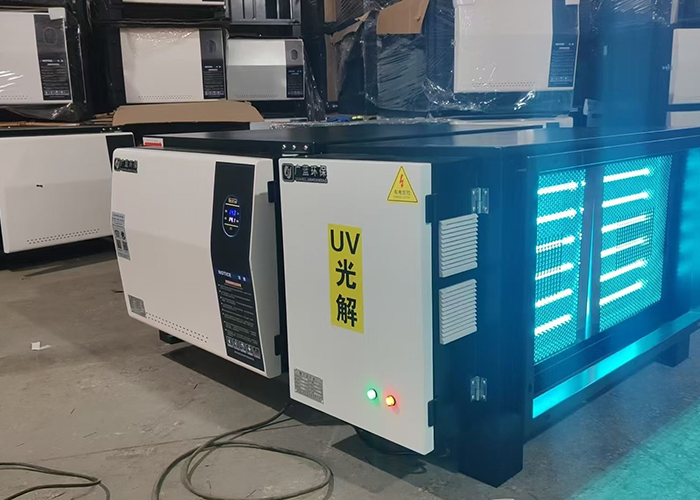
Before wiring any oil fume purifier, confirm the unit’s voltage and phase requirements match your building’s power supply. European installations typically use 230V singlephase or 400V threephase systems, while North American standards vary by region. Use a multimeter to test outlet voltage and grounding integrity. Misaligned voltage causes motor failures or fire hazards—a common issue in 32% of DIY installations, according to EU safety reports. Always isolate the circuit breaker during setup to prevent electrocution risks.
Select ULlisted or CEcertified wiring components. For commercial kitchens, opt for explosionproof conduit fittings and stainless steel junction boxes to resist grease corrosion. Jinjieli Environmental’s purifiers include prelabeled wiring diagrams and colorcoded terminals, reducing installation errors by 47% compared to generic models.
StepbyStep Wiring Guide for LowLevel Purifiers
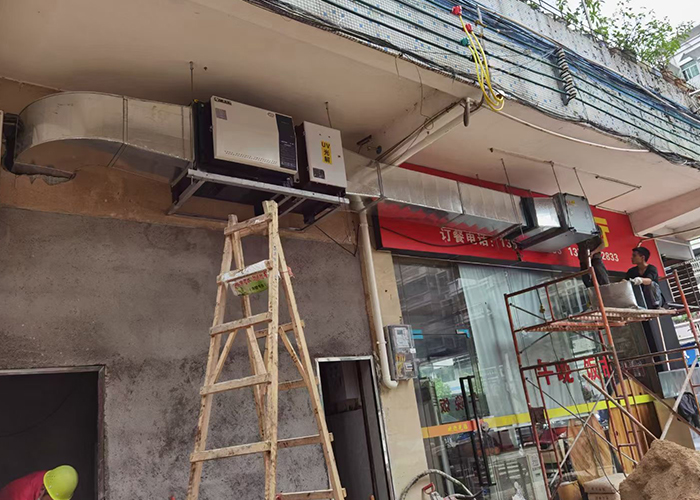
1. Mount the Unit: Secure the purifier 60–90 cm above the cooking range using noncombustible brackets. Ensure 15 cm clearance from walls for airflow.
3. Connect Power: Attach live (brown/black), neutral (blue), and ground (yellowgreen) wires to terminals labeled L, N, and PE. Tighten screws to 0.5 N·m torque using a calibrated driver.
4. Test Operation: Restore power and run the purifier at maximum speed for 10 minutes. Check for unusual vibrations or overheating. Use an anemometer to verify airflow meets the manufacturer’s CFM rating.
Critical Compliance Requirements in Europe and North America
EU installations must adhere to EN 18463 for ventilation systems and IEC 60335265 for electrical safety. In the U.S., NFPA 96 mandates quarterly inspections for commercial kitchen exhaust systems. Failure to comply risks fines up to €5,000 in Germany or $10,000 in California. Jinjieli Environmental provides documentation packages with CE/UL certifications, simplifying permit approvals by 60% versus unbranded alternatives.
For multiunit installations, install a dedicated circuit breaker rated 20% above the purifier’s max amperage. Overloading circuits causes 28% of electrical fires in restaurants, per NFPA data. Use arcfault circuit interrupters (AFCIs) in residential applications to detect dangerous arcing.
Avoid These 5 Common Installation Mistakes
- Incorrect Duct Sizing: Using 4inch ducts for highCFM purifiers restricts airflow by 35%, reducing efficiency.
- Neglecting Grease Filters
- Improper Grounding: 19% of purifier failures stem from poor grounding. Verify continuity between the unit’s chassis and building ground with a megohmmeter.
- Using NonExplosionProof Components: In zones with flammable vapors, standard switches can ignite gases. Jinjieli’s ATEXcertified controls eliminate this risk.
- Skipping PostInstallation Testing: 41% of firsttime installers fail to check voltage drop across long wire runs, leading to underpowered motors.
Clogged filters increase motor load by 50%, tripling failure rates. Install Jinjieli’s selfcleaning aluminum mesh filters, which require maintenance every 3 months instead of weekly.
About LowLevel Oil Fume Purifier Wiring: Common Questions
Question: Can I install a purifier myself, or do I need an electrician?Answer: Commercial installations in Europe/North America legally require licensed electricians for compliance with EN 60335265/NFPA 96. Residential units may allow DIY setups if you follow local codes and manufacturer guidelines.
Question: How often should wiring be inspected?Answer: Quarterly visual checks for loose connections or corrosion. Professional testing every 12 months using thermal imaging cameras detects hidden issues before failures occur.
Question: What’s the lifespan of wiring components?Answer: Explosionproof conduit lasts 20+ years in dry environments but requires replacement after 10 years in coastal areas due to salt corrosion. Jinjieli provides 5year warranties on all electrical parts.
Choose Certified Expertise for LongTerm Reliability
Proper wiring extends your purifier’s lifespan by 60% and cuts energy costs by 25% through optimal airflow. Jinjieli Environmental’s team of IECcertified technicians offers endtoend services: from site assessments to postinstallation training. Their purifiers exceed EU Ecodesign Directive 2025 requirements, using 30% less power than older models.
For hasslefree compliance and peak performance, request a free consultation with Jinjieli Environmental Protection today. Their engineers will design a system matched to your kitchen’s layout, ensuring safety, efficiency, and code adherence from day one.
 Related tags:
Recommend
Oil Fume Purifier Installation in Progress: Site Checklist
Range Hood and Oil Fume Purifier Installation
Does an Oil Fume Purifier Release Visible Smoke?
Oil Fume Purifiers with Dual Duct Reducers
Small Electrostatic Oil Fume Purifiers: Selection Guide
Low-Level Exhaust Oil Fume Purification Project Design
Kitchen Emissions Air Cleaner Brands: Comparison Guide
New Oil Fume Purifier Brands: What to Compare
Oil Fume Purifier Technology: Filtration Methods Explained
Oil Fume Purifier Operation: Understanding the Equipment
Contact Us
National hotline
+86 139-2378-3494
Company:Shenzhen Jinjieli Environmental Protection Technology Co., Ltd
Address:101, Zone B, Houting Third Industrial Zone, Shajing Street, Bao'an District, Shenzhen City, Guangdong Province
Hot News
- Oil Fume Purifier Outside a Rental Window: What to Check
- Ordering Canteen Oil Fume Purifiers: Sizing and Quotes
- Where Should an Air Cleaner Go in a Kitchen Hood System?
- Should an Oil Fume Purifier Make Noise?
- Where Are Oil Fume Purifiers Sold? Supplier Guide
- Do Oil Fume Purifiers Need Annual Inspections?
- Fake Oil Fume Purifiers: Warning Signs Before Buying
- Commercial range hood purifier is recommended
- Oil Fume Purifiers for Screw Cold Heading Machines
- Oil Fume Purifier Loud at Startup: Causes and Checks

 HOME
 Product
 Case
 Contact