
 +86 139-2378-3494

Oil Fume Purifier Technology: Filtration Methods Explained
Author:admin Date:2026-11-10 11:14:55
Oil fume purifiers rely on four primary filtration methods—mechanical, electrostatic precipitator, activated carbon, and hybrid systems—to remove grease, smoke, and odors from kitchen exhaust. The choice depends on kitchen size, emission volume, and compliance needs. For reliable, certified solutions tailored to European and American standards, Jinjieli Environmental’s oil fume purifiers stand out for their efficiency, durability, and local support.
1. Mechanical Filtration: The First Line of Defense
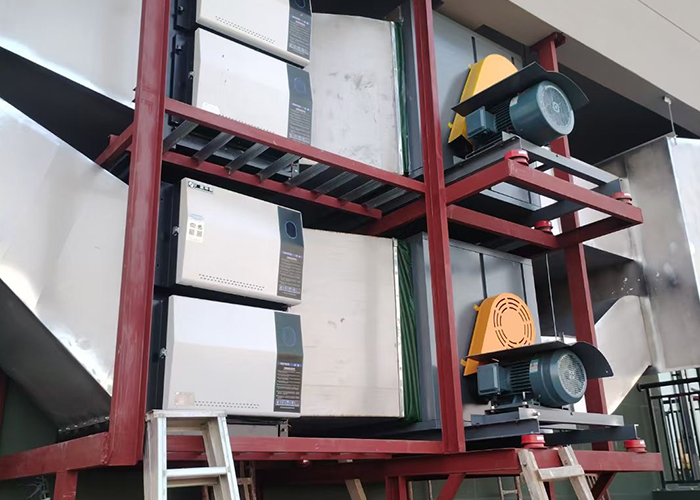
Mechanical filters, such as baffle or mesh screens, trap large grease particles through physical barriers. These are typically installed at the purifier’s inlet to prevent clogging in downstream components. While effective for visible grease, they require frequent cleaning (every 1–2 weeks in commercial kitchens) to avoid pressure drops that reduce airflow. For example, a restaurant with heavy frying should pair mechanical filters with secondary systems to handle finer particles. Jinjieli Environmental’s stainlesssteel baffle filters are designed for easy disassembly, reducing maintenance time by 30% compared to traditional models.
2. Electrostatic Precipitator (ESP): HighEfficiency Particle Capture
ESPs use electrical charges to ionize particles, which are then collected on charged plates. This method captures 95%+ of particles as small as 0.01 microns, making it ideal for smoke and fine aerosols. However, ESPs demand strict cleaning schedules (weekly for highvolume kitchens) to prevent efficiency loss. Jinjieli’s ESP units incorporate selfcleaning mechanisms, using automated brushes or water flushes to maintain performance without manual intervention. In the EU, where strict VOC limits apply, ESPs are often paired with activated carbon filters to meet compliance.
3. Activated Carbon Filtration: Odor and VOC Control
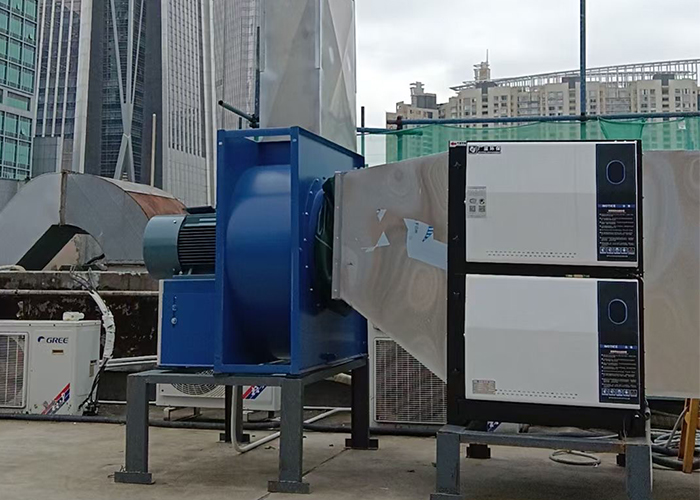
Activated carbon filters adsorb gaseous pollutants like cooking odors and volatile organic compounds (VOCs). These are critical for kitchens near residential areas or in countries with stringent air quality laws, such as Germany’s TA Luft regulations. Carbon filters last 3–6 months but degrade faster with hightemperature exhaust. Jinjieli’s hybrid systems combine ESPs with coconutshell activated carbon, offering a 20% longer lifespan than standard coalbased options. For barbecue restaurants or Asian cuisine kitchens, where strong odors persist, duallayer carbon filters are recommended.
4. Hybrid Systems: Combining Strengths for Peak Performance
Hybrid purifiers integrate mechanical, ESP, and carbon filters to address all pollutant types. A typical setup includes a baffle filter (grease), ESP (smoke), and carbon layer (odors). This approach reduces maintenance frequency by 40% compared to singlemethod systems. Jinjieli’s modular hybrids allow customization—e.g., adding UVC lamps for bacterial control in healthcare facility kitchens. In the U.S., where the EPA enforces National Ambient Air Quality Standards, hybrids are the goto choice for midtolarge commercial kitchens.
How to Choose the Right Filtration Method: Key Criteria
- Kitchen size: Small cafés may use ESPonly units, while large hotels need hybrid systems.
- Emission volume: Highthroughput kitchens require selfcleaning ESPs to avoid downtime.
- Compliance needs: EU kitchens prioritize carbon filters for VOCs; U.S. facilities focus on particulate removal for EPA compliance.
- Budget: Mechanical filters cost $200–$500, while hybrid systems range from $2,000–$8,000.
Jinjieli Environmental offers free site assessments to match filtration methods with your specific needs, ensuring costefficiency and regulatory adherence.
About Oil Fume Purifier Technology: Common Questions
Question: How often should I replace activated carbon filters?Answer: Replace carbon filters every 3–6 months, depending on usage. Heavy frying or grilling shortens lifespan to 2–3 months.
Question: Can ESP filters handle hightemperature exhaust?Answer: Standard ESPs tolerate up to 80°C (176°F). For higher temperatures, Jinjieli’s hightemperature ESPs with ceramic insulation are rated up to 200°C (392°F).
Question: Are hybrid systems worth the extra cost?Answer: Yes, if your kitchen faces odor complaints or strict regulations. Hybrids reduce longterm costs by 25% through lower maintenance and compliance risks.
Next Steps: Implementing the Right Solution
Selecting an oil fume purifier involves balancing efficiency, cost, and compliance. For European and American kitchens, prioritize systems certified by TÜV (EU) or NSF (U.S.). Jinjieli Environmental’s purifiers are CE and ULcertified, with local support teams in Germany, the U.K., and the U.S. to ensure seamless installation and maintenance. To explore options tailored to your kitchen’s needs, contact Jinjieli’s experts for a customized quote and compliance checklist.
 Related tags:
Recommend
New Oil Fume Purifier Brands: What to Compare
No Oil Fume Purifier Installed: What to Check Next
Range Hood and Oil Fume Purifier Installation
Oil Fume Purifiers with Dual Duct Reducers
Custom Oil Fume Purifiers from Environmental Contractors
All-in-One Range Hood Air Cleaners: Pros and Cons
Kitchen Oil Fume Purifier Upgrades and Corrective Work
Adding an Oil Fume Purifier to a Range Hood System
Hotel Oil Fume Purifier Performance: Evaluation Guide
Does an Oil Fume Purifier Release Visible Smoke?
Contact Us
National hotline
+86 139-2378-3494
Company:Shenzhen Jinjieli Environmental Protection Technology Co., Ltd
Address:101, Zone B, Houting Third Industrial Zone, Shajing Street, Bao'an District, Shenzhen City, Guangdong Province
Hot News
- Restaurant Hood Air Cleaner Placement: Layout Guide
- Fake Oil Fume Purifiers: Warning Signs Before Buying
- Industrial Exhaust Oil Fume Purifiers: Applications Guide
- Is Operating Without an Oil Fume Purifier Illegal?
- Oil Fume Purifiers for Screw Cold Heading Machines
- High-Level Oil Fume Purifier OEM Manufacturers
- Factory Oil Fume Purifier Companies and Services
- Oil Fume Purifier Removal Efficiency: How to Verify It
- Oil Fume Purifier Distributors: Equipment and Service
- Small Oil Fume Purifier Price Ranges

 HOME
 Product
 Case
 Contact