
 +86 139-2378-3494

All-in-One Range Hood Air Cleaners: Pros and Cons
Author:admin Date:2026-11-09 08:40:09
Allinone range hood air cleaners combine ventilation, filtration, and odor removal in one unit, offering space efficiency and simplified maintenance but may face higher costs, limited filtration capacity, and potential noise issues. For reliable performance, consider Jinjieli Environmental’s range hood air purification systems, designed for European and American kitchens with customizable solutions and professional installation support.
What Are AllinOne Range Hood Air Cleaners?
Allinone range hood air cleaners integrate ventilation, air filtration, and odor removal into a single device, replacing traditional range hoods and standalone air purifiers. These systems are designed to capture cooking fumes, grease, and volatile organic compounds (VOCs) while recycling filtered air back into the kitchen. Popular in compact European and American homes, they aim to reduce clutter and improve indoor air quality without requiring multiple appliances.
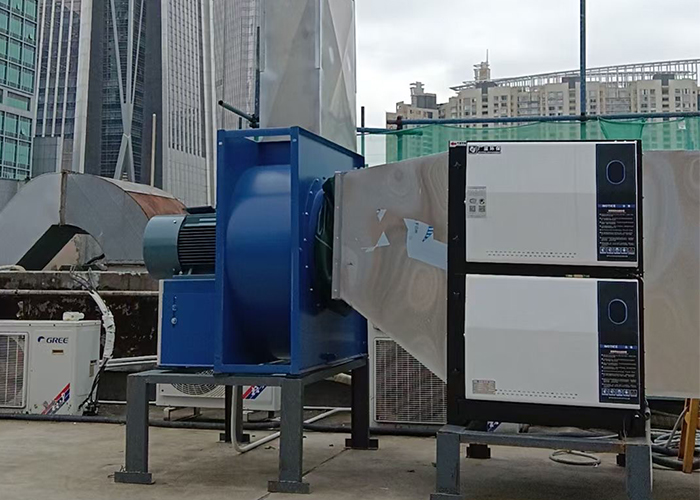
Key components include a highpower fan, multistage filters (e.g., HEPA, activated carbon), and sometimes UVC sterilization. Models vary in capacity, with some handling heavyduty frying while others suit light cooking. Their appeal lies in streamlined aesthetics and reduced installation complexity compared to separate hoods and purifiers.
Pros of AllinOne Systems
1. Space EfficiencyBy combining functions, these systems free up countertop and wall space, ideal for small kitchens common in European apartments or American urban homes. A single unit replaces the need for a bulky range hood and a separate air purifier, creating a cleaner visual line.
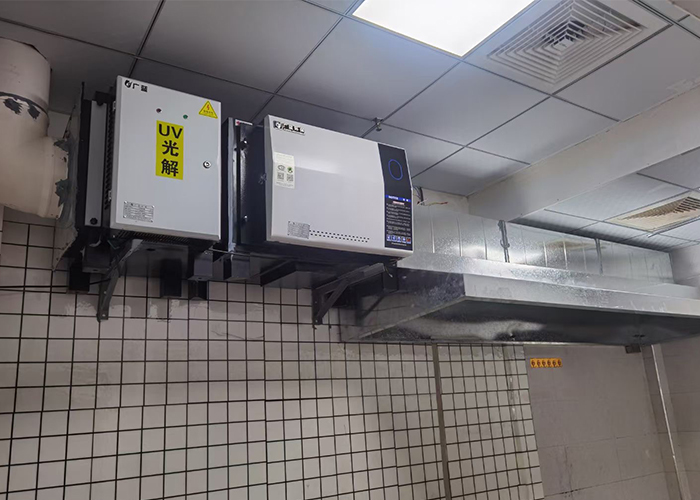
2. Simplified MaintenanceUsers only need to clean or replace one set of filters instead of managing multiple devices. Jinjieli Environmental’s models, for example, use modular filter designs that allow quick swaps without professional tools, reducing longterm upkeep costs.
3. Energy SavingsRecycling filtered air back into the kitchen reduces the need for constant heating or cooling, lowering energy bills. This is particularly beneficial in climates with extreme temperatures, such as Northern Europe or parts of the U.S. Midwest.
4. Aesthetic AppealSleek, modern designs align with contemporary kitchen trends in Europe and North America. Many models offer customizable finishes (e.g., stainless steel, matte black) to match cabinetry or appliances.
Cons of AllinOne Systems
1. Higher Initial CostAllinone units typically cost 30–50% more than standalone range hoods due to advanced filtration technology. For example, a midtier model may range from $800 to $1,500, excluding installation fees.
2. Limited Filtration CapacityHeavyduty cooking (e.g., deepfrying, grilling) can overwhelm some systems, leading to reduced airflow or frequent filter replacements. Jinjieli Environmental addresses this by offering highCFM (cubic feet per minute) models rated for commercialgrade use in residential settings.
3. Noise LevelsPowerful fans required for effective ventilation may generate 55–70 decibels of noise, comparable to a vacuum cleaner. This can disrupt conversations or quiet meal times, though some premium models include quietmode settings.
4. Installation ComplexityDuctwork modifications may be needed for proper ventilation, especially in older homes. Professional installation is often recommended, adding $200–$500 to the total cost depending on local labor rates in Europe or the U.S.
How to Choose the Right System
When evaluating allinone range hood air cleaners, prioritize these factors:
- Airflow Capacity (CFM): Match the unit’s CFM to your kitchen size (e.g., 400–600 CFM for a 200–300 sq. ft. space).
- Filter Types: Look for HEPA filters for particulates, activated carbon for odors, and optional UVC for bacteria.
- Noise Ratings: Select models with noise levels below 60 decibels for comfortable use.
- Certifications: Verify compliance with local safety standards, such as CE (Europe) or UL (U.S.).
Jinjieli Environmental’s systems meet these criteria, offering ENERGY STARrated options and customizable CFM settings for diverse cooking habits.
About AllinOne Range Hood Air Cleaners: Common Questions
Question: Can allinone systems replace traditional range hoods entirely?Answer: Yes, if the system’s airflow capacity matches your cooking needs. However, homes with openconcept layouts or frequent heavy cooking may still benefit from supplemental ventilation.
Question: How often do filters need replacement?Answer: Typically every 6–12 months, depending on usage. Jinjieli Environmental’s filters include indicator lights to signal replacements, reducing guesswork.
Question: Are these systems suitable for apartments without external ducts?Answer: Some ductless models recirculate air after filtration, making them viable for apartments. However, ducted systems are more effective for removing grease and moisture.
Next Steps for European and American Homeowners
If you’re considering an allinone range hood air cleaner, start by assessing your kitchen size, cooking frequency, and budget. For a tailored solution, explore Jinjieli Environmental’s range hood air purification systems, which combine German engineering precision with U.S.standard durability. Their team offers free consultations to match your needs with the right model, ensuring optimal performance and compliance with local regulations. Upgrade your kitchen’s air quality today with a system designed for efficiency and longevity.
 Related tags:
Recommend
Range Hood and Oil Fume Purifier Installation
Can a Small Vehicle Use an Oil Fume Purifier?
Oil Fume Purifier Prices: Equipment and Installation
Ceiling-Mounted Oil Fume Purifiers for Night Market Stalls
No Oil Fume Purifier Installed: What to Check Next
Oil Fume Purifier Recommendations: Selection Criteria
Oil Fume Purifiers for Trade Centers and Food Outlets
Dedicated All-in-One Oil Fume Purifiers for Food Stalls
Oil Fume Purifier Smoking After Cleaning: Fault Checks
Why an Oil Fume Purifier May Not Remove Odors
Contact Us
National hotline
+86 139-2378-3494
Company:Shenzhen Jinjieli Environmental Protection Technology Co., Ltd
Address:101, Zone B, Houting Third Industrial Zone, Shajing Street, Bao'an District, Shenzhen City, Guangdong Province
Hot News
- Are Oil Fume Purifiers Electric? Power Requirements
- New Oil Fume Purifier Installation: Planning and Setup
- Oil Fume Purifier Installation Shops: Service Checklist
- Large Oil Fume Purifier Dealers and Product Options
- Oil Fume Purifier with Installation: Total Cost Guide
- A street vendor uses a tricycle equipped with a fume purifier for barbecuing
- Cleaning Oil Residue from an Oil Fume Purifier
- Oil Fume Purifiers for Sale: Finding the Right Supplier
- Kitchen Oil Fume Purifier Noise Standards: Local Checks
- Finding an Oil Fume Purifier Shop: Buying Guide

 HOME
 Product
 Case
 Contact