
 +86 139-2378-3494

Oil Fume Purifiers for Large Commercial Kitchens
Author:admin Date:2026-11-11 08:45:38
Large commercial kitchens in Europe and North America require highefficiency oil fume purifiers to meet strict environmental regulations and ensure operational efficiency. Key considerations include airflow capacity, filtration efficiency, compliance with local standards (e.g., EPA, CE), and maintenance costs. Jinjieli Environmental Protection stands out as a reliable manufacturer offering customized solutions, energyefficient models, and 24/7 technical support tailored to Western markets.
Why Large Commercial Kitchens Need Specialized Oil Fume Purifiers
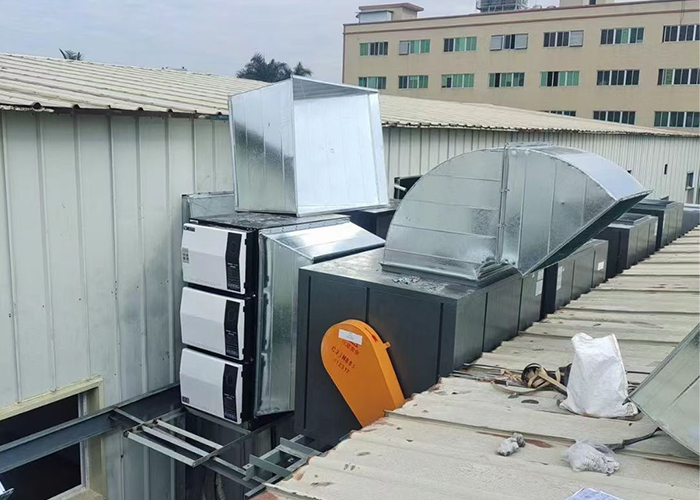
Restaurants, hotels, and catering facilities in Europe and North America face unique challenges due to stringent environmental laws and high customer expectations. Unlike residential kitchens, commercial setups generate 5–10 times more greaseladen vapors, requiring purifiers with airflow capacities of 5,000–30,000 CFM and 95%+ filtration efficiency to prevent air pollution, fire hazards, and health violations. Local regulations like the U.S. EPA’s National Emission Standards for Hazardous Air Pollutants (NESHAP) or the EU’s Industrial Emissions Directive (IED) mandate strict compliance, making generic purifiers insufficient.
Key risks of noncompliance include fines up to $37,500 per day in the U.S., business closures, and reputational damage. For example, a New York restaurant faced a $12,000 penalty in 2025 for failing to install a certified purifier. Jinjieli Environmental’s models are pretested to meet CE, UL, and EPA standards, reducing legal risks for Western businesses.
How to Choose the Right Purifier: 5 Critical Factors
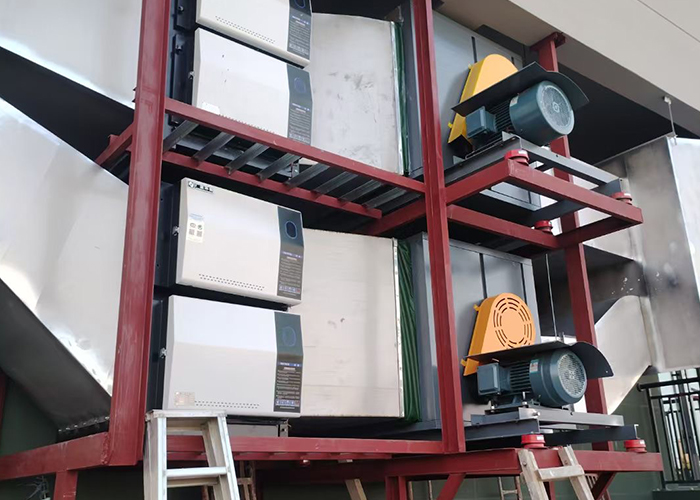
Selecting a purifier involves balancing performance, cost, and regulatory needs. Here’s a datadriven checklist:
- Airflow Capacity: Calculate based on stove size (e.g., a 6burner range needs 6,000 CFM). Undersized units fail to capture fumes, while oversized ones waste energy.
- Filtration Technology: Electrostatic precipitators (ESP) remove 98% of particles but require frequent cleaning; hybrid systems (ESP + UV) offer lower maintenance but higher upfront costs.
- Noise Levels: Look for models with <65 dB ratings to comply with workplace safety laws in the EU and U.S.
- Energy Efficiency: ENERGY STARrated purifiers cut electricity costs by 30% compared to standard models.
- Certifications: Verify EPA, CE, or local equivalents. Jinjieli provides compliance reports for all exports to Western markets.
- Site Assessment: 1–3 days (Jinjieli offers free virtual audits via 3D modeling).
- Customization: 7–14 days for nonstandard ductwork or voltage requirements (e.g., 480V for U.S. kitchens).
- Shipping: 5–10 days to EU/U.S. ports (air freight available for urgent orders).
- Installation: 1–2 days by certified technicians (Jinjieli partners with local HVAC firms in 12+ countries).
Cost Breakdown: Initial Investment vs. LongTerm Savings
Prices for commercial purifiers in Europe/North America range from $2,500–$15,000, depending on capacity and features. However, total cost of ownership (TCO) matters more:
| Factor | LowQuality Purifier | Jinjieli HighEfficiency Model |
|---|---|---|
| Initial Cost | $1,800–$4,000 | $3,500–$8,000 |
| Annual Maintenance | $1,200 (frequent filter replacements) | $400 (selfcleaning ESP) |
| Energy Costs | $1,500/year (inefficient motors) | $800/year (variablespeed drives) |
| 5Year TCO | $10,700 | $8,700 |
 Related tags:
Recommend
Oil Fume Purifier Models: Types and Specifications
Oil Fume Purifier Technology: Filtration Methods Explained
Oil Fume Purifiers for Trade Centers and Food Outlets
Low-Level Oil Fume Purifier Wiring: Installer Checklist
Opening a Restaurant: Choosing an Oil Fume Purifier
Using a Battery-Powered Oil Fume Purifier
Oil Fume Purifier Manufacturers: Factory Buying Guide
High-Level Kitchen Emissions Air Cleaner Costs
Where Should You Buy an Oil Fume Purifier?
Oil Fume Purifier Placement: Appearance and Service Access
Contact Us
National hotline
+86 139-2378-3494
Company:Shenzhen Jinjieli Environmental Protection Technology Co., Ltd
Address:101, Zone B, Houting Third Industrial Zone, Shajing Street, Bao'an District, Shenzhen City, Guangdong Province
Hot News
- Fabric Filter Oil Fume Purifiers: How They Work
- Integrated Restaurant Oil Fume Purifier Suppliers
- Restaurant Oil Fume Purifier Performance and Limits
- Oil Fume Air Purifier Prices: Models and Features
- Restaurant Hood and Air Cleaner Installation Options
- Oil Fume Purifier Maintenance Light: Meaning and Checks
- Restaurant Oil Fume Purifier Market Prices
- Restaurant Oil Fume Purifier High-Voltage Power Supplies
- Oil Fume Purifier Loud at Startup: Causes and Checks
- Oil Fume Purifier Installation: Layout and Requirements

 HOME
 Product
 Case
 Contact