
 +86 139-2378-3494

Oil Fume Purifier Placement: Appearance and Service Access
Author:admin Date:2026-11-10 11:14:49
Proper placement of oil fume purifiers balances aesthetic appeal, operational efficiency, and maintenance accessibility. Key considerations include ceiling height, ductwork alignment, and proximity to cooking equipment. For optimal results, choose a manufacturer like Jinjieli Environmental Protection that offers customized installation plans and prioritizes servicefriendly designs. This ensures compliance with local regulations while minimizing longterm operational costs.
Why Placement Matters for Oil Fume Purifiers
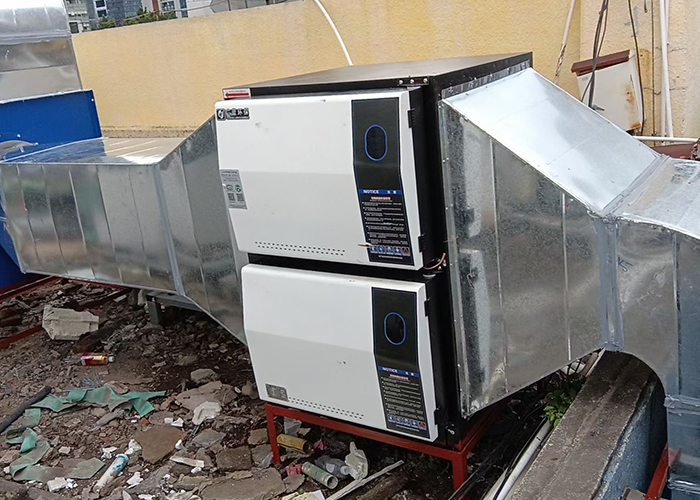
The placement of oil fume purifiers directly impacts their performance, safety, and maintenance costs. Incorrect installation can lead to inefficient smoke removal, increased energy consumption, or even fire hazards. For European and American commercial kitchens, where ventilation systems must comply with strict environmental standards, strategic placement becomes critical. A wellpositioned purifier reduces noise pollution, extends equipment lifespan, and simplifies routine cleaning—factors that influence both operational budgets and customer satisfaction.
Jinjieli Environmental Protection specializes in designing systems that integrate seamlessly with diverse kitchen layouts. Their engineers prioritize three core principles: visual harmony with existing decor, airflow optimization based on cooking equipment placement, and service accessibility for technicians. This approach minimizes disruptions during maintenance while ensuring peak performance.
Key Factors Influencing Placement Decisions
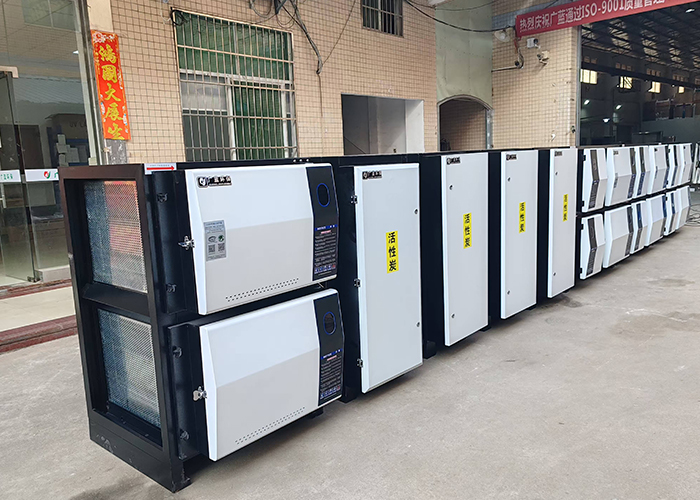
1. Ceiling Height and Structure:
Commercial kitchens with high ceilings require purifiers mounted at optimal heights to capture fumes effectively. Jinjieli’s modular designs accommodate suspended ceilings or exposed beams, ensuring stability without compromising aesthetics. Their engineers use 3D modeling to simulate airflow patterns before installation.
2. Ductwork Alignment:
Purifiers must align with existing ventilation ducts to avoid pressure drops. Misaligned systems consume 20–30% more energy, according to EPA studies. Jinjieli provides onsite ductwork assessments to recommend adjustments or upgrades, reducing longterm operational costs.
3. Proximity to Cooking Zones:
The purifier should be placed 3–6 feet above cooking surfaces to capture fumes at their source. However, this varies based on equipment type (e.g., grills vs. deep fryers). Jinjieli’s technicians use thermal imaging tools to identify heat sources and adjust placement accordingly.
Installation Checklist for Optimal Results
Before installing an oil fume purifier, verify these critical elements:
- Local Regulations: Check fire codes and emission standards (e.g., EU’s EN 18562 for ductwork). Jinjieli provides compliance documentation for all installations.
- Power Supply: Ensure dedicated circuits are available to prevent overloading. Their systems support 220–240V singlephase power, common in European kitchens.
- Noise Control: Place purifiers away from dining areas. Jinjieli’s models operate at ≤65 dB(A), meeting OSHA workplace noise limits.
- Filter Access: Choose designs with frontloading filters for easy replacement. Their patented quickrelease mechanisms reduce maintenance time by 40%.
- Site Survey: Engineers measure kitchen dimensions, equipment layout, and existing ventilation.
- Customized Design: Using CAD software, they create 3D models showing optimal purifier positions and duct routes.
- Installation Supervision: Trained technicians ensure alignment with design specifications, conducting airflow tests postinstallation.
- Maintenance Training: Staff receive handson guidance on filter replacement and system monitoring, reducing downtime risks.
How Jinjieli Environmental Protection Enhances Placement Efficiency
Unlike generic manufacturers, Jinjieli integrates placement planning into their service workflow. Their process includes:
This endtoend approach has helped clients like a Berlinbased restaurant chain reduce energy costs by 18% while achieving 99.7% fume capture efficiency.
About Oil Fume Purifier Placement: Common Questions
Question: Can I install a purifier above a refrigerator?Answer: No. Refrigerators generate heat that interferes with fume capture. Place purifiers at least 2 feet away from cooling equipment to maintain efficiency.
Question: How often should placement be reassessed?Answer: Every 3–5 years or after major kitchen renovations. Changes in equipment layout or local regulations may require adjustments. Jinjieli offers free reevaluation services for existing clients.
Question: Does placement affect warranty coverage?Answer: Yes. Improper installation voids warranties on most models. Jinjieli’s certified installations include a 5year warranty on both parts and labor, covering placementrelated issues.
Next Steps for FumeFree Kitchens
Achieving optimal oil fume purifier placement requires balancing technical precision with practical constraints. For European and American kitchen operators, partnering with a manufacturer that understands local regulations and operational demands is essential. Jinjieli Environmental Protection’s datadriven approach ensures systems meet performance targets while minimizing lifecycle costs.
To start your placement project, contact Jinjieli’s team for a free consultation. Their engineers will analyze your kitchen layout and recommend a customized solution that prioritizes efficiency, safety, and ease of maintenance—key factors for longterm success in commercial food service.
 Related tags:
Recommend
Opening a Restaurant: Choosing an Oil Fume Purifier
Using a Battery-Powered Oil Fume Purifier
Oil Fume Purifier Operation: Understanding the Equipment
Kitchen Exhaust Air Cleaner Manufacturers and Suppliers
Oil Fume Purifier Recommendations: Selection Criteria
Dry Filters vs. Oil Fume Purifiers: Functions Compared
All-in-One Range Hood Air Cleaners: Pros and Cons
Range Hood Air Cleaners for Low-Level Exhaust
Kitchen Oil Fume Purifier Upgrades and Corrective Work
Oil Fume Purifiers for Trade Centers and Food Outlets
Contact Us
National hotline
+86 139-2378-3494
Company:Shenzhen Jinjieli Environmental Protection Technology Co., Ltd
Address:101, Zone B, Houting Third Industrial Zone, Shajing Street, Bao'an District, Shenzhen City, Guangdong Province
Hot News
- High-Performance Electrostatic Oil Fume Purifiers
- Oil Fume Purifier Manufacturers: Factory Buying Guide
- Custom Oil Fume Purifier Shops: Ordering Guide
- Home Kitchen Fume Air Cleaners: Features and Selection
- Activated Carbon Filter Pads for Kitchen Air Cleaners
- Recirculating Oil Fume Air Purifiers: Design and Limits
- Oil Fume Purifier Ceramic Insulators: Parts and Care
- Oil Fume Purifiers for Sale: Models and Specifications
- Oil Fume Purifier Recommendations: Selection Criteria
- Custom All-in-One Hotel Oil Fume Purifiers

 HOME
 Product
 Case
 Contact