
 +86 139-2378-3494

Adding an Oil Fume Purifier: Is Another Fan Needed?
Author:admin Date:2026-11-21 11:14:01
Adding an oil fume purifier to your kitchen does not necessarily require an additional fan, but the decision depends on your existing ventilation system’s capacity, the purifier’s design, and local airflow requirements. If your current setup struggles to handle cooking fumes, upgrading the fan or optimizing ductwork may be more effective than adding a standalone purifier. For tailored solutions, Jinjieli Environmental Protection’s oil fume purifiers are engineered to integrate seamlessly with existing systems, ensuring efficient airflow without redundant components.
When Is an Additional Fan Necessary?
The need for an extra fan arises primarily when your kitchen’s existing ventilation system lacks the power to expel fumes after installing a purifier. Oil fume purifiers, especially those with multistage filtration (e.g., electrostatic precipitators or activated carbon layers), can increase airflow resistance. If your current exhaust fan is undersized or ductwork is poorly designed (e.g., long runs, sharp bends), adding a purifier might reduce performance, leading to lingering odors or smoke. In such cases, upgrading to a higherCFM (cubic feet per minute) fan or redesigning ducts is more practical than installing a second fan.
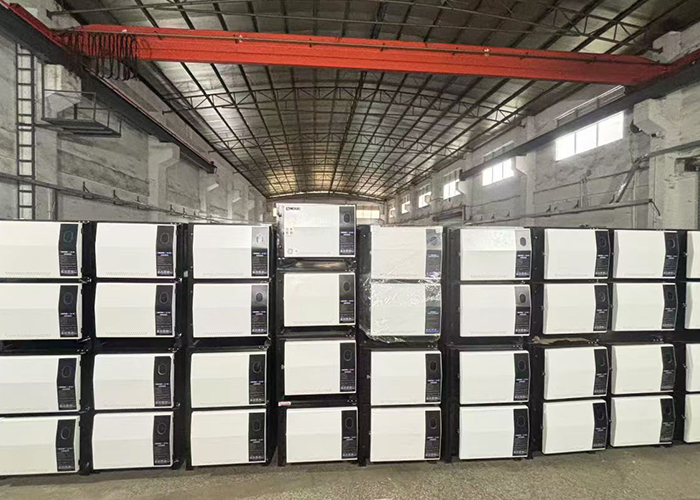
Jinjieli Environmental Protection’s purifiers are designed with lowpressure drop technology, minimizing resistance to maintain optimal airflow. Their experts assess your kitchen’s layout and ventilation capacity during installation, recommending fan upgrades only if necessary. This approach avoids unnecessary costs while ensuring compliance with local air quality regulations.
Key Factors Influencing the Decision
Three critical factors determine whether an additional fan is needed:
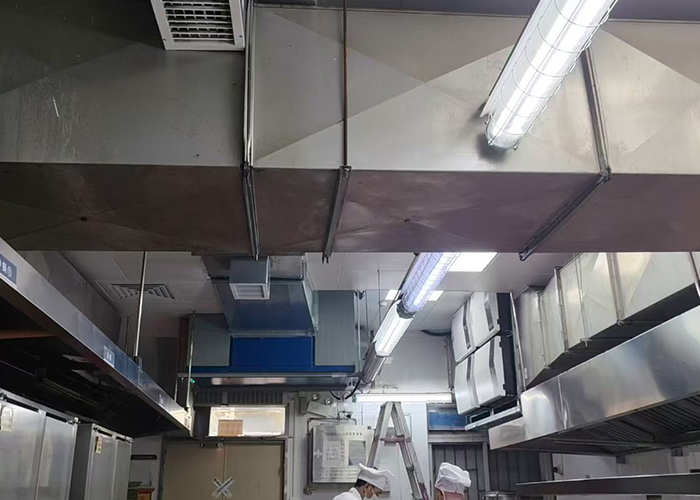
- Existing Fan Capacity: Measure your current fan’s CFM rating. For commercial kitchens, EPA guidelines suggest 15–25 air changes per hour (ACH), translating to 100–200 CFM per linear foot of stove. Residential kitchens typically require 50–100 CFM per burner. If your fan falls short, upgrading it is more efficient than adding a purifierdependent fan.
- Purifier Design: Wallmounted or ductless purifiers recirculate air after filtration, eliminating the need for external exhaust fans. Ducted purifiers, however, rely on your existing fan to expel fumes. Jinjieli’s modular purifiers support both configurations, offering flexibility based on your infrastructure.
- Local Regulations: Some regions mandate specific exhaust rates for commercial kitchens. For example, California’s CARB (California Air Resources Board) requires oil fume purifiers to achieve ≥85% particulate removal efficiency. Jinjieli’s products meet such standards, reducing compliance risks without requiring extra fans.
- Audit Existing Ventilation: Use an anemometer to measure airflow at exhaust vents. Aim for ≥100 CFM per burner in residential kitchens and ≥200 CFM per linear foot in commercial settings.
- Inspect Ductwork: Replace cramped or leaky ducts with smooth, insulated 8inch diameter pipes. Avoid 90degree bends; use two 45degree turns instead to reduce pressure drop by 30%.
- Evaluate Purifier Type: Opt for ductless models if exhaust access is limited. For ducted systems, choose purifiers with ≤0.5 inches of water column (WC) pressure drop to avoid overloading fans.
- Consult Manufacturers: Jinjieli’s engineers provide free site assessments in North America and Europe, recommending purifiers that match your fan’s capacity. Their products include pressure drop charts to simplify integration.
Cost Comparison: Purifier vs. Fan Upgrades
Adding a standalone fan costs $200–$1,500 for hardware, plus $300–$800 for installation, depending on ductwork complexity. In contrast, upgrading your existing fan to a higherCFM model averages $400–$1,200, with lower labor costs if ducts are already optimized. Jinjieli’s purifiers, priced between $500–$3,000 (depending on capacity), often eliminate the need for additional fans by improving filtration efficiency. For example, their commercialgrade ESP (electrostatic precipitator) purifiers reduce particulate load by 95%, easing the burden on existing fans.
A costbenefit analysis for a midsized restaurant showed that investing in a Jinjieli purifier with a 2,000CFM fan upgrade (total: $2,800) reduced maintenance costs by 40% over three years compared to adding a second fan ($2,300 initial cost + 25% higher energy bills). The purifier’s selfcleaning electrodes also cut labor costs for filter replacements.
Installation Checklist Before Adding a Purifier
Ensure your kitchen is ready for an oil fume purifier without unnecessary fans:
About Adding an Oil Fume Purifier: Common Questions
Question: Can I use a ductless purifier instead of upgrading my fan?Answer: Yes. Ductless purifiers filter and recirculate air, making them ideal for kitchens with weak exhaust systems. Jinjieli’s ductless models use activated carbon and HEPA filters to remove 99% of particles and odors, eliminating the need for additional fans.
Question: Will adding a purifier increase my energy bills?Answer: It depends on the purifier’s power consumption. Jinjieli’s energyefficient models draw 50–200 watts (similar to a lightbulb), costing $5–$20 per month at $0.15/kWh. This is often offset by reduced fan strain, lowering overall energy use.
Question: How often do I need to clean a purifier if I don’t add a fan?Answer: Cleaning frequency depends on usage. Jinjieli’s ESP purifiers with selfcleaning electrodes require monthly washing of prefilters but no electrode replacement for 3–5 years. Their carbon filters last 6–12 months in residential settings.
Making the Right Choice for Your Kitchen
Adding an oil fume purifier without an extra fan is feasible if your existing ventilation system is adequately sized and ductwork is optimized. For kitchens struggling with fume control, prioritize upgrading fans or switching to ductless purifiers. Jinjieli Environmental Protection’s oil fume purifiers offer a balanced solution, combining highefficiency filtration with lowpressure drop design to minimize reliance on additional fans. Their team provides endtoend support, from site assessments to postinstallation maintenance, ensuring your kitchen meets air quality standards costeffectively. To explore tailored options, contact Jinjieli Environmental Protection today for a free consultation on adding an oil fume purifier to your space.
 Related tags:
Recommend
Used Oil Fume Purifier Recycling and Resale
In-Stock Outdoor Oil Fume Purifiers: Protection Checks
Oil Fume Purifier Duct Reducers: Installation Planning
Planning a Four-Unit Oil Fume Purifier Installation
Noodle Shop Range Hoods and Oil Fume Purifiers
Do Small Oil Fume Purifiers Work? Capacity and Limits
Oil Fume Purifier Airflow Ratings: Comparing Models
Oil Fume Purifier Size Differences: Capacity and Fit
Hotel Oil Fume Purification Technology: System Options
Oil Fume Purifier Model Differences: Specification Guide
Contact Us
National hotline
+86 139-2378-3494
Company:Shenzhen Jinjieli Environmental Protection Technology Co., Ltd
Address:101, Zone B, Houting Third Industrial Zone, Shajing Street, Bao'an District, Shenzhen City, Guangdong Province
Hot News
- Small Restaurant Oil Fume Purifiers: Size and Features
- Grilled Oyster Stall Oil Fume Purifiers
- Do Wrap and Pancake Stalls Need Oil Fume Purifiers?
- Hood-Mounted Oil Fume Purifiers: Types and Features
- Restaurant Oil Fume Purifier Features Explained
- Connecting and Operating a Ducted Oil Fume Purifier
- Outdoor Oil Fume Purifiers: Is a Rain Canopy Needed?
- How Many Oil Fume Purifier Types Are There?
- Requesting Oil Fume Purifier Prices Online
- Low-Level Discharge Kitchen ESPs: Features and Selection

 HOME
 Product
 Case
 Contact