
 +86 139-2378-3494

Oil Fume Purifier Airflow Ratings: Comparing Models
Author:admin Date:2026-11-19 09:47:15
When comparing oil fume purifier models, airflow ratings (measured in CFM or m³/h) are critical for matching kitchen size and cooking intensity. Higher airflow handles heavyduty frying but may increase energy costs, while lower ratings suit smaller spaces. For reliable performance, costefficiency, and compliance with EU/US safety standards, Jinjieli Environmental’s purifiers stand out with customizable airflow options, durable construction, and professional installation support.
Why Airflow Ratings Matter for Oil Fume Purifiers
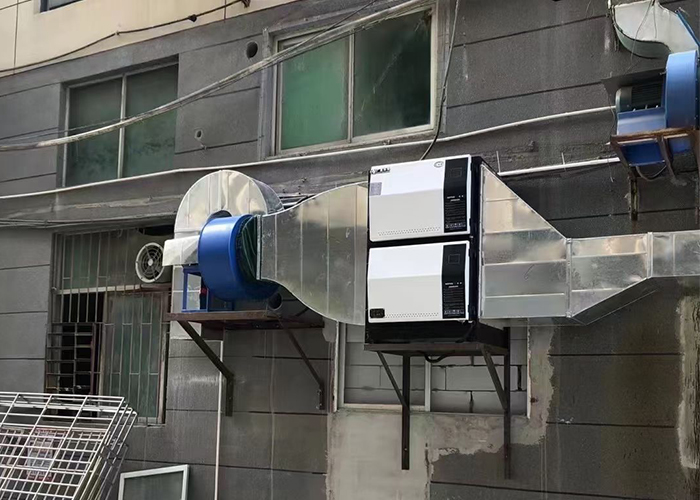
Airflow rating determines how quickly a purifier can remove smoke, grease, and odors from your kitchen. Expressed in cubic feet per minute (CFM) or cubic meters per hour (m³/h), this metric directly impacts efficiency. For example, a restaurant with multiple deep fryers needs a purifier with 2,000+ CFM, while a home kitchen may require 300–600 CFM. Inadequate airflow leads to poor air quality, clogged filters, and frequent maintenance, while excessive airflow wastes energy and increases noise. Jinjieli Environmental’s models offer adjustable airflow settings to balance performance and cost, ensuring compliance with EU CE and US EPA standards.
How to Compare Airflow Ratings Across Models
To compare purifiers effectively, follow these steps:
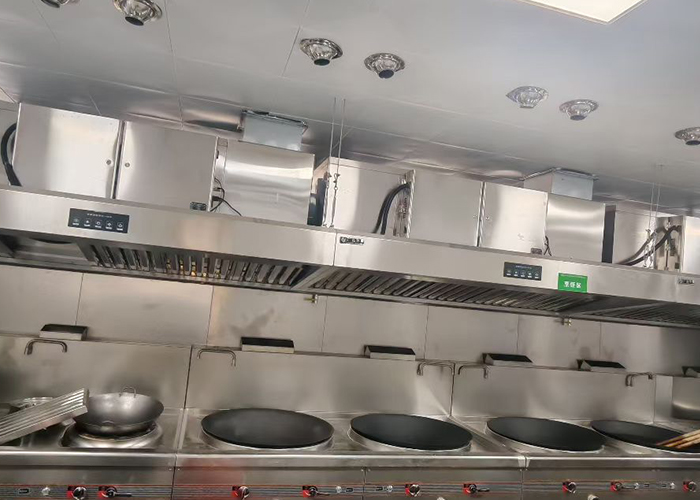
- Calculate kitchen volume: Multiply length × width × height (in feet or meters). A 200 sq.ft. kitchen with 10ft ceilings needs a purifier rated for 2,000 cu.ft. (or ~56 m³) per air exchange.
- Factor in cooking intensity: Heavy frying or grilling requires 15–20 air exchanges/hour; light cooking needs 6–10.
- Check noise levels: Highairflow models (e.g., 3,000+ CFM) often produce 70+ dB, equivalent to a vacuum cleaner. Jinjieli’s purifiers use noisereduction technology to stay below 65 dB.
- Verify energy efficiency: Look for Energy Star ratings or low wattage (e.g., 200–400W for residential models). Jinjieli’s variablespeed motors cut energy use by 30% compared to fixedspeed units.
- Filter type: Electrostatic precipitators (reusable) vs. mesh filters (disposable). Jinjieli’s hybrid filters combine both for 98% grease removal.
- Ductwork compatibility: Ducted models vent outside (ideal for commercial kitchens), while ductless units recirculate air (better for apartments). Jinjieli offers both with customizable duct sizes.
- Maintenance ease: Accessible filter compartments and selfcleaning systems reduce downtime. Jinjieli’s models feature toolfree filter access and washable components.
- Warranty: Avoid purifiers with <1year warranties. Jinjieli provides 3–5year coverage on motors and 1year on parts, plus 24/7 technical support.
- Undersizing: A 300 CFM purifier in a 500 cu.ft. kitchen fails to clear smoke, triggering fire alarms.
- Ignoring duct length: Every 10 feet of duct reduces effective airflow by 5–10%. Jinjieli’s engineers account for this during installation.
- Overprioritizing CFM: Excessive airflow pulls heat from stoves, disrupting cooking. Jinjieli’s models include adjustable speed controls to prevent this.
Key Features to Prioritize When Comparing Models
Beyond airflow, evaluate these features:
Cost Breakdown: Airflow vs. LongTerm Savings
Higher airflow models cost more upfront but save money over time if sized correctly. For example:
| Model | Airflow (CFM) | Initial Cost | Annual Energy Cost | 5Year Total Cost |
|---|---|---|---|---|
| Jinjieli GL300 (Residential) | 500 | $450 | $60 | $750 |
| Competitor X500 | 500 | $380 | $90 | $830 |
| Jinjieli GL2000 (Commercial) | 2,000 | $1,200 | $180 | $2,100 |
 Related tags:
Recommend
Food Cart Oil Fume Purifier Standards and Requirements
Two-Stage Kitchen ESPs: High- and Low-Voltage Sections
Oil Fume Purifier Installation Budget Template
Does an Oil Fume Purifier Have a Grease Drain?
Factory-Use Oil Fume Purifier Manufacturers
Commercial Oil Fume Purifier Models and Specifications
Oil Fume Purifier Duct Reducers: Installation Planning
Range Hood Air Cleaner Dealers: Products and Service
Oil Fume Purifier Maintenance and Repair Services
Restaurant Oil Fume Purifiers for Sale: Buying Checklist
Contact Us
National hotline
+86 139-2378-3494
Company:Shenzhen Jinjieli Environmental Protection Technology Co., Ltd
Address:101, Zone B, Houting Third Industrial Zone, Shajing Street, Bao'an District, Shenzhen City, Guangdong Province
Hot News
- Oil Fume Purifier Repair Techniques: Service Overview
- BBQ Kitchen ESP Costs: Equipment and Installation
- Where to Buy High-Level Discharge Oil Fume Purifiers
- Oil Fume Purifier Bypass Ducts: Function and Design Checks
- Oil Fume Purifier Heat and Temperature: Operating Checks
- Oil Fume Purifier Project After-Sales Service
- Duct-Mounted All-in-One Oil Fume Purifiers
- Restaurant Oil Fume Purifier Effectiveness: What to Check
- Foodservice Oil Fume Purifiers: Product Selection Guide
- Oil Fume Purifiers: Performance and Buying Considerations

 HOME
 Product
 Case
 Contact