
 +86 139-2378-3494

Food Cart Oil Fume Purifier Standards and Requirements
Author:admin Date:2026-11-19 09:46:22
Food cart oil fume purifiers in Europe and North America must comply with local air quality regulations, including EU EN 18562 and U.S. EPA standards, focusing on filtration efficiency, noise control, and fire safety. Key factors for selection include certification compliance, maintenance costs, and installation feasibility. For reliable, compliant solutions, Jinjieli Environmental Protection offers certified purifiers tailored to food cart operations, ensuring legal compliance and operational efficiency.
Why Do Food Carts Need Oil Fume Purifiers?
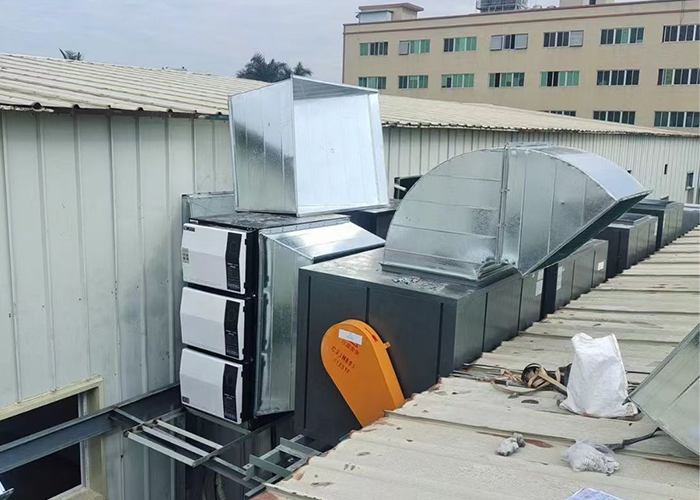
Food carts in Europe and North America face strict environmental regulations due to their proximity to pedestrians and residential areas. Unfiltered oil fumes from frying, grilling, or smoking contain particulate matter (PM2.5/PM10), volatile organic compounds (VOCs), and carcinogens like polycyclic aromatic hydrocarbons (PAHs). These pollutants violate air quality laws in cities like London, Berlin, and New York, leading to fines or operational shutdowns. A highefficiency purifier reduces emissions by 90–95%, ensuring compliance with standards like the EU’s EN 18562 (for mechanical filtration) and the U.S. EPA’s AP42 emission factors.
Key Standards and Certifications
Regulations vary by region but share core requirements:
- EU Standards: EN 18562 mandates a minimum 85% filtration efficiency for PM10 and limits noise to ≤70 dB(A). Devices must pass CE marking tests for electrical safety (EN 60335) and fire resistance (EN 13501).
- U.S. Standards: The EPA requires purifiers to achieve ≥95% grease removal efficiency under ASTM F2519 testing. Local codes (e.g., NYC’s Local Law 116) may add stricter noise or installation rules.
- Certification Bodies: Look for TÜV Rheinland (EU), UL (U.S.), or CSA Group approvals to verify compliance.
- Filtration Type: Electrostatic precipitators (ESP) offer high efficiency but require frequent cleaning; mechanical filters (e.g., baffle + HEPA) are lower maintenance but bulkier.
- Airflow Capacity: Calculate required CFM (cubic feet per minute) based on cooking equipment size. A 4burner stove typically needs 2,000–3,000 CFM.
- Noise Level: Opt for ≤65 dB(A) to avoid disturbing customers or violating local noise ordinances.
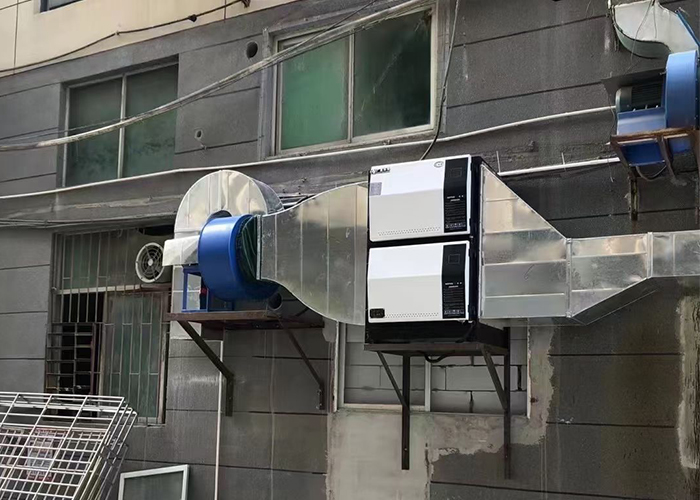
- Installation Flexibility: Wallmounted units save space; ducted systems suit enclosed carts but require professional installation.
- Maintenance Costs: ESP plates cost $50–$100/year to replace; mechanical filters may need monthly cleaning or replacement.
- Undersizing the Unit: A purifier with insufficient CFM will fail to capture fumes, leading to regulatory violations.
- Ignoring Fire Safety: Choose purifiers with automatic fire dampers and grease trays to prevent flareups.
- Skipping Professional Installation: Improper ducting or electrical wiring can void warranties and create safety hazards.
Noncompliant purifiers risk legal penalties and public health complaints, making certification nonnegotiable.
How to Choose the Right Purifier: 5 Critical Factors
Selecting a purifier involves balancing performance, cost, and practicality:
Avoid These 3 Common Mistakes
Many food cart owners overlook critical risks:
Cost Breakdown: What to Expect
Prices vary by region and specifications:
| Component | EU Cost Range | U.S. Cost Range |
|---|---|---|
| Basic Mechanical Purifier | €800–€1,500 | $1,200–$2,500 |
| HighEfficiency ESP System | €1,200–€3,000 | $2,000–$4,500 |
| Installation (Labor) | €300–€800 | $500–$1,200 |
 Related tags:
Recommend
Oil Fume Purifier Gas Fault Display: System Checks
Factory Oil Fume Purifier Recycling Prices
Mobile Oil Fume Purifier Cleaning and Care
Oil Fume Purifiers for Large Canteen Kitchens
Connecting a Range Hood and Air Cleaner: System Guide
Oil Fume Purifier Installation Budget Template
Is a Bigger Oil Fume Purifier Better? Sizing Explained
Flashing Green Oil Fume Purifier Light: Fault Guide
Steam Cleaners for Oil Fume Purifiers: Compatibility Guide
New Oil Fume Purifier Designs: Features to Compare
Contact Us
National hotline
+86 139-2378-3494
Company:Shenzhen Jinjieli Environmental Protection Technology Co., Ltd
Address:101, Zone B, Houting Third Industrial Zone, Shajing Street, Bao'an District, Shenzhen City, Guangdong Province
Hot News
- Industrial Oil Fume Purifier Installation Planning
- Custom Hotel Oil Fume Purifiers: System Design Options
- Cold Heading Oil Fume Purifier Repair and Maintenance
- Oil Fume Purifier Modifications: Design and Safety Limits
- Oil Fume Purifier Startup Problems: Causes and Checks
- Oil Fume Purifier ESP Cell Oxidation: Inspection and Care
- Repairing an Oil Fume Purifier: Service Options
- Checking Oil Fume Purifier Operating Conditions
- Oil Fume Purifier Equipment Costs: Budget Planning
- BBQ Air Cleaners for Dust, Grease and Smoke

 HOME
 Product
 Case
 Contact