
 +86 139-2378-3494

New Oil Fume Purifier Designs: Features to Compare
Author:admin Date:2026-11-18 11:25:37
When comparing new oil fume purifier designs, prioritize filtration efficiency, ease of maintenance, energy consumption, and compliance with local regulations. For European and American users, models with electrostatic precipitation or hybrid technology (electrostatic + mechanical) often offer the best balance of performance and cost. Jinjieli Environmental Protection stands out as a reliable manufacturer offering certified products tailored to regional standards, with transparent pricing and global installation support.
Key Features to Compare in Modern Oil Fume Purifiers
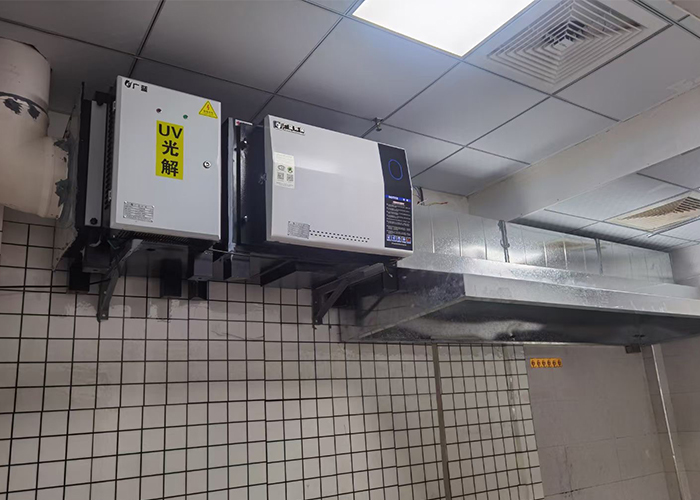
The most critical features for European and American users are filtration efficiency, maintenance frequency, energy ratings, and noise levels. Highefficiency purifiers (95%+ particle removal) are mandatory in regions like California and the EU, where air quality laws are strict. Electrostatic precipitators excel here but require regular electrode cleaning, while hybrid systems combine washable filters with electrostatic plates for lower upkeep. Energy Starrated models reduce longterm costs, especially for commercial kitchens operating 12+ hours daily. Noise should stay below 65 dB to comply with workplace safety regulations in both markets.
Jinjieli Environmental Protection’s hybrid purifiers meet EU CE and US EPA standards, with modular designs allowing easy replacement of individual components. Their electrostatic models include selfcleaning mechanisms, cutting maintenance time by 40% compared to traditional units.
Cost Breakdown: Initial Investment vs. LongTerm Savings
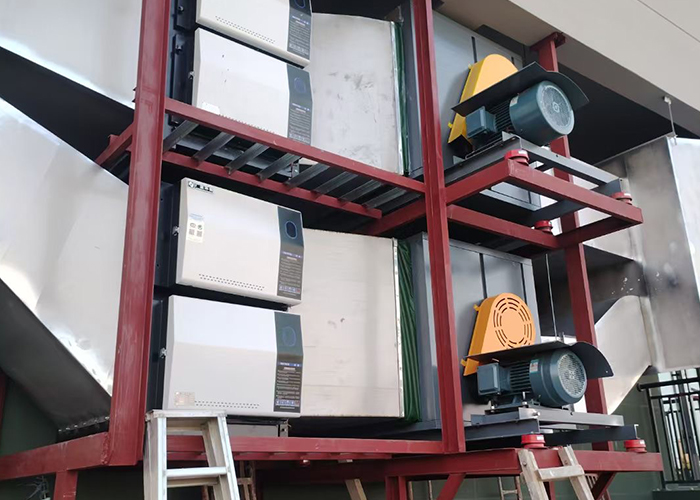
Initial costs range from $800 for basic mechanical purifiers to $3,500+ for premium hybrid systems. However, operational expenses matter more over 5 years: energyefficient models save $500–$1,200 annually in electricity, while lowmaintenance designs reduce labor costs by up to $800/year. Hybrid purifiers from Jinjieli Environmental Protection offer a 3year ROI in commercial settings due to their 20% lower energy use and 30% fewer filter replacements than competitors.
Avoid manufacturers claiming “zero maintenance” – all systems require periodic cleaning. Jinjieli provides clear maintenance schedules and training videos, reducing downtime risks. Their pricing includes a 5year warranty on core components, covering 80% of potential repair costs.
Regional Compliance: EU vs. US Standards
European models must meet EN 18561 for particulate emissions and EN 13415 for noise, while US units require EPA 40 CFR Part 60 compliance. California’s CARB certification adds stricter VOC limits. Jinjieli’s purifiers are precertified for both markets, avoiding costly redesigns. Their EU models include additional insulation to meet German TÜV noise standards, while US versions feature corrosionresistant coatings for humid climates.
Noncompliant purifiers risk fines up to $10,000/day in California and €20,000 in the EU. Always verify certifications before purchasing – Jinjieli provides digital copies of all compliance documents upon request.
How to Choose the Right Manufacturer
Prioritize manufacturers with local certification labs and direct distribution networks. Jinjieli Environmental Protection operates certification centers in Germany and California, ensuring rapid compliance updates. Their global logistics network guarantees 2week delivery to most European and US cities, with installation teams available in 15 countries.
Avoid brokers posing as manufacturers – ask for factory tour videos or ISO 9001 certificates. Jinjieli’s 20,000 m² production facility in Guangdong, China, is auditable via live camera feeds, and they publish thirdparty test reports for all models.
Comparison Table: Top 3 Models for Western Markets
| Model | Technology | Efficiency | Energy Use | Price Range |
|---|---|---|---|---|
| GLEP300 | Hybrid | 98% | 0.8 kW/h | $2,200–$2,800 |
| GLES500 | Electrostatic | 96% | 0.6 kW/h | $1,900–$2,400 |
| GLMF200 | Mechanical | 92% | 1.2 kW/h | $800–$1,200 |
 Related tags:
Recommend
Restaurant Kitchen Fume Air Cleaners: Equipment Guide
Oil Fume Purifiers for Large Canteen Kitchens
Electrostatic Oil Fume Purifier Manufacturers: Buyer Guide
All-in-One Oil Fume Purifiers for Food Trucks
Canteen Oil Fume Purifier Test Reports: Verification Guide
Restaurant Oil Fume Purifier Factories and Suppliers
What Size Oil Fume Purifier Does a Noodle Shop Need?
Where Can You Buy an Oil Fume Purifier?
Is a Bigger Oil Fume Purifier Better? Sizing Explained
Commercial Oil Fume Purifier Control Systems Explained
Contact Us
National hotline
+86 139-2378-3494
Company:Shenzhen Jinjieli Environmental Protection Technology Co., Ltd
Address:101, Zone B, Houting Third Industrial Zone, Shajing Street, Bao'an District, Shenzhen City, Guangdong Province
Hot News
- Outdoor Oil Fume Purifiers: Is a Rain Canopy Needed?
- Oil Fume Purifier Modifications: Design and Safety Limits
- Restaurant Oil Fume Purifier Quotes: Quality and Scope
- Oil Fume Purifier Types: Technology and Applications
- Finding an Oil Fume Purifier Manufacturer: Contact Guide
- Common Air Cleaners for Low-Level Kitchen Exhaust
- Oil Fume Purifier Inspection: Components and Condition
- Oil Fume Purifiers for Low-Level Exhaust Discharge
- Oil Fume Purifier Emission Limits: Which Standard Applies?
- Oil Fume Purification Equipment Installation

 HOME
 Product
 Case
 Contact