
 +86 139-2378-3494

Commercial Oil Fume Purifier Control Systems Explained
Author:admin Date:2026-11-16 08:47:18
Commercial oil fume purifier control systems are essential for restaurants, hotels, and commercial kitchens to meet air quality regulations and reduce fire risks. These systems automate fume capture, filtration, and exhaust, ensuring compliance with local environmental standards. Key considerations include selecting the right purification technology, understanding installation requirements, and maintaining the system for longterm efficiency. For reliable solutions, Jinjieli Environmental Protection offers certified oil fume purifiers tailored to European and American commercial kitchen needs.
Why Commercial Kitchens Need Oil Fume Purifier Control Systems
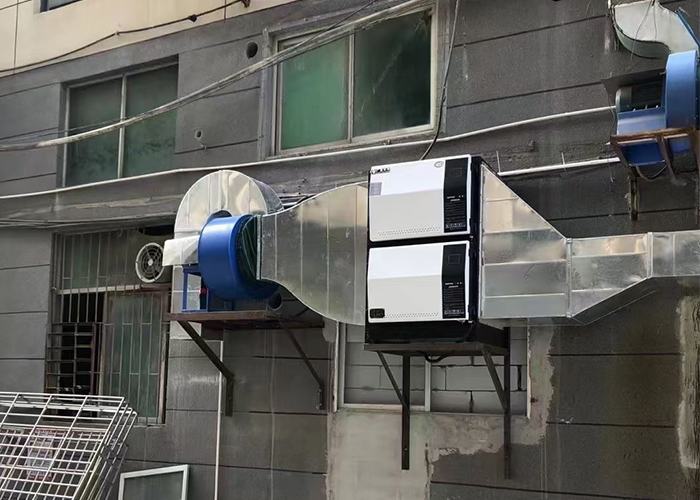
Commercial kitchens in Europe and North America face strict air quality regulations, including limits on particulate matter (PM2.5/PM10) and volatile organic compounds (VOCs). Traditional exhaust hoods alone cannot meet these standards, as they often fail to capture fine oil particles and odors effectively. A dedicated control system integrates sensors, filters, and exhaust fans to monitor airflow, adjust purification intensity, and ensure continuous compliance. For example, a restaurant in Berlin reduced its air pollution fines by 70% after installing a Jinjieli system with electrostatic precipitation technology.
Fire safety is another critical driver. Oil fumes are highly flammable, and poor ventilation can lead to explosive conditions. Modern control systems include flame arrestors and automatic shutoff mechanisms to mitigate risks. In the U.S., the National Fire Protection Association (NFPA) mandates regular inspection of fume extraction systems, making automated monitoring a costeffective compliance solution.
Key Components of Oil Fume Purifier Control Systems
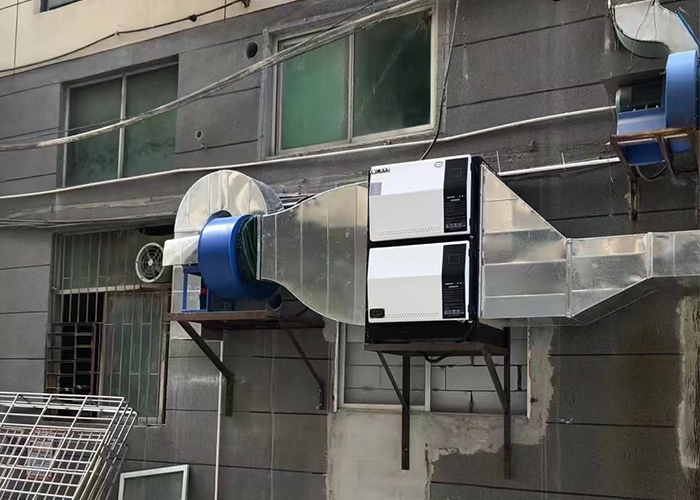
A robust control system comprises three core modules: capture, filtration, and exhaust. The capture unit uses highefficiency hoods with adjustable airflow to trap fumes at the source. Filtration technology varies by application—electrostatic precipitators (ESPs) are popular in Europe for their 95%+ particle removal rate, while activated carbon filters dominate North American markets for odor control. Exhaust systems must balance airflow velocity (typically 0.5–1.0 m/s) to prevent backflow while minimizing energy consumption.
Advanced systems incorporate IoT sensors to track realtime air quality, filter lifespan, and fan performance. For instance, Jinjieli’s SmartControl platform alerts kitchen managers via mobile app when filters need replacement, reducing downtime by 40%. These sensors also help optimize energy use by adjusting fan speeds based on cooking activity, cutting electricity costs by up to 30%.
How to Choose the Right System for Your Kitchen
Selecting a purifier depends on kitchen size, cooking volume, and local regulations. A small café in Paris may only need a 3,000 m³/h ESP unit, while a highvolume hotel kitchen in New York requires a 20,000 m³/h system with multistage filtration. Always verify compliance with standards like EU’s EN 1822 or U.S. EPA’s National Ambient Air Quality Standards (NAAQS).
Installation complexity varies by kitchen layout. Retrofitting older buildings may require ductwork modifications, adding 15–25% to total costs. Jinjieli offers free site assessments in Europe and North America to design custom solutions, ensuring minimal disruption during installation. Their modular systems also allow phased upgrades, spreading costs over time.
Cost Breakdown and ROI Analysis
Initial costs range from $2,500 for a basic 5,000 m³/h unit to $15,000+ for highcapacity systems with IoT integration. Operating expenses include filter replacements ($100–$500 annually) and energy use (averaging $0.15–$0.30 per hour). However, the ROI is compelling: a London restaurant reported a 2year payback period after avoiding $12,000/year in fines and reducing HVAC maintenance costs by 25%.
Jinjieli’s systems offer a 5year warranty on ESP units and 3year coverage on sensors, lowering longterm risks. Their European clients also benefit from CE certification, which simplifies permitting in Germany, France, and the UK.
Maintenance Checklist for Optimal Performance
- Daily: Wipe down hood surfaces to prevent grease buildup.
- Weekly: Check filter pressure gauges; replace if pressure exceeds manufacturer limits.
- Monthly: Inspect ductwork for leaks and clean exhaust fans.
- Annually: Hire a certified technician to test airflow rates and sensor accuracy.
Neglecting maintenance can reduce system lifespan by 50% and void warranties. Jinjieli provides annual maintenance contracts in Europe and North America, including priority parts replacement and 24/7 emergency support.
About Commercial Oil Fume Purifier Control Systems: Common Questions
Question: How often should filters be replaced in a commercial oil fume purifier?Answer: Electrostatic precipitator (ESP) cells typically last 3–5 years with proper cleaning, while activated carbon filters require replacement every 6–12 months, depending on cooking volume. Jinjieli’s systems include pressure sensors to alert users when filters need replacement.
Question: Can these systems handle hightemperature fumes from grills?Answer: Yes. Most commercial purifiers are rated for temperatures up to 200°C (392°F). Jinjieli’s heavyduty models feature stainless steel construction and thermal insulation to withstand extreme heat from grills and fryers.
Question: Are there grants available for upgrading kitchen ventilation systems?Answer: In the EU, programs like Horizon Europe offer funding for energyefficient kitchen upgrades. In the U.S., statelevel rebates may apply. Jinjieli’s team assists clients in identifying and applying for such incentives.
Next Steps: Implementing a Reliable Oil Fume Purification System
To ensure compliance and safety, prioritize systems with thirdparty certifications (e.g., CE, UL) and local regulatory approvals. Schedule a free consultation with Jinjieli Environmental Protection to assess your kitchen’s needs and receive a customized quote. Their engineers specialize in designing systems for European and American commercial kitchens, balancing performance, cost, and ease of maintenance. Whether you’re opening a new restaurant or upgrading an existing facility, investing in a professional oil fume purifier control system is a critical step toward sustainable operations.
For durable, compliant, and costeffective solutions, choose Jinjieli Environmental Protection’s commercial oil fume purifiers. Their expertise in local regulations and commitment to quality make them a trusted partner for kitchens across Europe and North America.
 Related tags:
Recommend
Commercial Oil Fume Purifier Repair Services
Restaurant Oil Fume Purifier Costs: Equipment and Upkeep
How to Check an Oil Fume Extractor Power Rating
Oil Fume Purifier Equipment Prices: A Buying Guide
Oil Fume Purifier Installation Report Template
Connecting and Operating a Ducted Oil Fume Purifier
Electrostatic Oil Fume Purifier Manufacturers: Buyer Guide
Home Kitchen Oil Fume Filtration Systems
Restaurant Oil Fume Purifier Factories and Suppliers
Requesting Oil Fume Purifier Prices Online
Contact Us
National hotline
+86 139-2378-3494
Company:Shenzhen Jinjieli Environmental Protection Technology Co., Ltd
Address:101, Zone B, Houting Third Industrial Zone, Shajing Street, Bao'an District, Shenzhen City, Guangdong Province
Hot News
- Effective Restaurant Oil Fume Purifiers: Selection Checks
- Commercial Oil Fume and Industrial Odor Control Projects
- Oil Fume Purifier Installation: Equipment and Layout Choices
- Oil Fume Purifier ESP Cells: Working Principles
- High-Level vs. Low-Level Kitchen Exhaust Discharge
- Small Oil Fume Purifier Manufacturers and Suppliers
- Oil Fume Air Purifier Brands and Supply Options
- Repairing an Oil Fume Purifier: Service Options
- Plasma Oil Fume Purifiers: Operation and Applications
- Oil Fume Purifier Switches: Operation and Replacement

 HOME
 Product
 Case
 Contact