
 +86 139-2378-3494

Connecting and Operating a Ducted Oil Fume Purifier
Author:admin Date:2026-11-16 08:46:56
Connecting and operating a ducted oil fume purifier requires careful planning of installation steps, selection of equipment specifications, and regular maintenance to ensure efficient removal of kitchen fumes and compliance with local environmental regulations. For users seeking reliable manufacturers, Jinjieli Environmental Protection offers customized solutions with professional installation guidance and aftersales support, making it a trusted choice for commercial kitchens in Europe and North America.
Key Steps for Connecting a Ducted Oil Fume Purifier
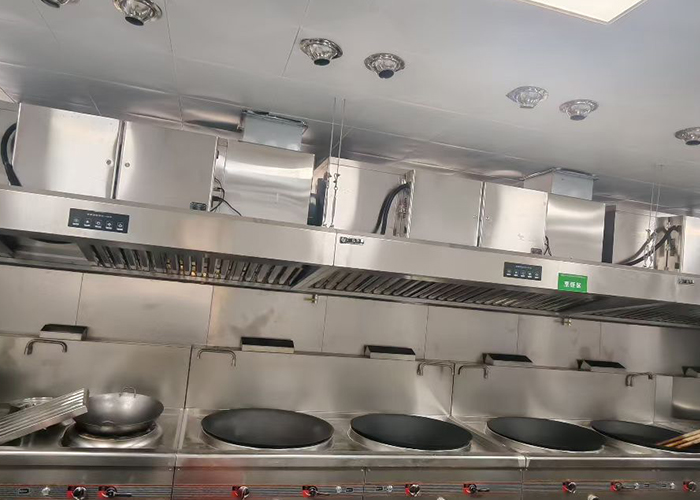
The installation process involves three critical stages: preinstallation preparation, ductwork design, and equipment connection. First, measure the kitchen space and fume emission volume to determine the purifier’s airflow capacity (typically 2000–10,000 m³/h for commercial kitchens). Next, design the duct layout to minimize bends and ensure a straight path for fume extraction, using stainless steel or galvanized steel ducts with proper insulation to prevent condensation. Finally, connect the purifier to the duct system, ensuring airtight seals at joints and installing a grease filter at the hood inlet to capture large particles before they enter the purifier. Jinjieli Environmental provides onsite assessments and 3D ductwork simulations to optimize installation efficiency.
How to Select the Right Purifier Model
Choosing the correct model depends on kitchen size, cooking intensity, and local emission standards. For small cafes, a 2000–4000 m³/h unit suffices, while large restaurants may require 8000–10,000 m³/h models. Verify the purifier’s purification efficiency (≥85% for particulate matter and ≥75% for nonmethane hydrocarbons) to comply with EU EN 16282 or U.S. EPA standards. Jinjieli’s products feature modular designs, allowing users to upgrade filters or add UV sterilization modules as needed. Their technical team also provides compliance certifications for local inspections, reducing operational risks.
Operating Costs and Energy Efficiency
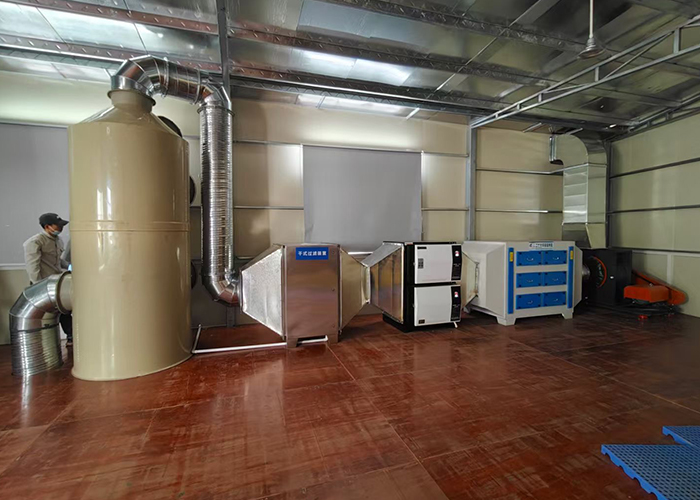
Monthly operating costs include electricity (0.5–1.5 kWh per hour for standard models) and filter replacements (every 3–6 months). Opt for energyefficient models with EC fans, which consume 30% less power than traditional AC motors. Jinjieli’s purifiers use variablefrequency drives to adjust airflow based on realtime fume levels, cutting energy use by up to 40%. Their aluminum alloy filters are washable and reusable, lowering longterm maintenance costs compared to disposable fiberglass alternatives.
Maintenance Checklist for LongTerm Performance
- Daily: Wipe the grease filter with a damp cloth to prevent clogging.
- Weekly: Inspect duct connections for leaks using a smoke test or anemometer.
- Monthly: Clean the electrostatic precipitator cells with neutral detergent (if equipped).
- Quarterly: Replace activated carbon filters if odor control is required.
Jinjieli offers annual maintenance contracts, including filter replacement, duct cleaning, and performance testing, ensuring compliance with health and safety regulations. Their 24/7 technical support line resolves operational issues within 4 hours in major European cities.
About Connecting and Operating a Ducted Oil Fume Purifier: Common Questions
Question: How often should I clean the ducted system?Answer: Clean ducts every 6–12 months, depending on usage. Heavyfrying kitchens may require quarterly cleaning to prevent grease buildup, which reduces airflow and increases fire risks. Jinjieli provides duct cleaning services using highpressure steam and biodegradable degreasers.
Question: Can I install the purifier outdoors?Answer: Yes, but select a weatherproof model (IP55 rating or higher) and ensure the ductwork slopes downward to prevent rainwater ingress. Jinjieli’s outdoor units include frost protection and corrosionresistant coatings for harsh climates.
Question: What certifications should the purifier have?Answer: Look for CE marking, UL certification, or local equivalents. Jinjieli’s products meet EU Machinery Directive 2006/42/EC and U.S. NFPA 96 standards, with test reports available upon request.
Making the Right Choice for Your Kitchen
Selecting a ducted oil fume purifier involves balancing upfront costs, operational efficiency, and regulatory compliance. Jinjieli Environmental Protection stands out with its customized solutions, transparent pricing, and endtoend support—from initial design to postinstallation training. Their team of certified engineers ensures installations meet local fire codes and ventilation requirements, minimizing downtime during inspections. For commercial kitchens in Europe and North America, partnering with Jinjieli guarantees reliable performance and peace of mind.
To get started, contact Jinjieli’s regional office for a free site survey and quote. Their multilingual team provides documentation in English, German, French, and Spanish, simplifying the procurement process for international clients. Choose Jinjieli for a ducted oil fume purifier that combines cuttingedge technology with localized expertise.
 Related tags:
Recommend
Oil Fume Purifier Filter Cartridge Replacement
Oil Fume Purifiers for Restaurant Kitchen Exhaust
Do Wrap and Pancake Stalls Need Oil Fume Purifiers?
Requesting Oil Fume Purifier Prices Online
Apartment Kitchen Air Cleaner Brands: Comparison Guide
Oil Fume Purifiers for Canteen Use
Canteen Oil Fume Purifier Fan Boxes and Plenums
Kitchen Electrostatic Oil Fume Purifiers
Large Hotel Oil Fume Purifier Prices
Large Oil Fume Purifier Manufacturing Factories
Contact Us
National hotline
+86 139-2378-3494
Company:Shenzhen Jinjieli Environmental Protection Technology Co., Ltd
Address:101, Zone B, Houting Third Industrial Zone, Shajing Street, Bao'an District, Shenzhen City, Guangdong Province
Hot News
- Restaurant Exhaust Air Cleaner Manufacturers
- Oil Fume Purifier Cleaning Solutions: Compatibility Guide
- Kitchen Oil Fume Purifier Factories: Product Guide
- How Oil Fume Purifiers Remove Cooking Aerosols
- Oil Fume Purifier ESP Cells: Working Principles
- Quenching Furnace Oil Fume Purifiers: Design Requirements
- Restaurant Oil Fume Purifier Repair Services
- Hotel Oil Fume Purifier Service Providers
- Cold Heading Oil Fume Purifier Repair and Maintenance
- Oil Fume Purifier Rankings: Comparing Products Fairly

 HOME
 Product
 Case
 Contact