
 +86 139-2378-3494

Apartment Kitchen Air Cleaner Brands: Comparison Guide
Author:admin Date:2026-11-16 08:45:57
When selecting an air cleaner for apartment kitchens in Europe or North America, prioritize models with HEPA filtration, activated carbon layers, and low noise operation. Key factors include CA ratings, maintenance costs, and compliance with local safety standards. For tailored solutions, Jinjieli Environmental Protection’s kitchen air purifiers offer certified performance, energy efficiency, and professional installation support, making them a reliable choice for longterm air quality management.
Why Apartment Kitchens Need Specialized Air Cleaners
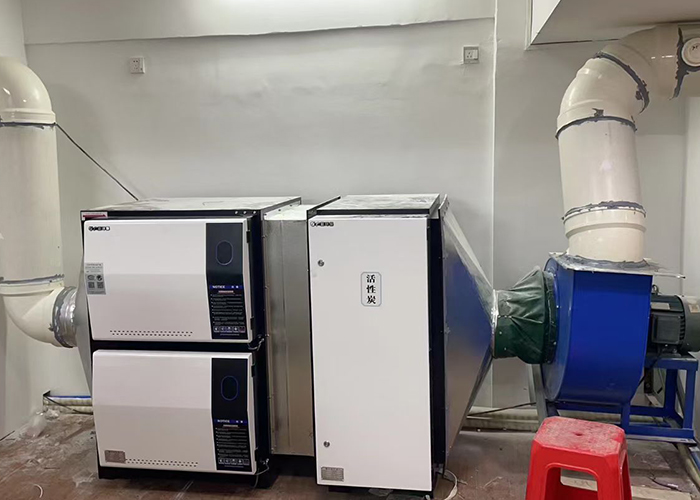
The ideal solution combines HEPA filters (to capture 99.97% of particles ≥0.3 microns), activated carbon (to adsorb gases and odors), and prefilters (to trap larger debris). Models with smart sensors adjust fan speeds based on realtime air quality, while compact designs fit under cabinets or on countertops. Avoid ozonegenerating models, as they violate safety standards in most Western countries.
Top 5 Brands Compared: Performance, Cost, and Compliance
When evaluating brands, focus on three metrics: Clean Air Delivery Rate (CA), energy efficiency, and certification compliance (e.g., Energy Star, EU Ecolabel). Here’s how leading brands stack up:
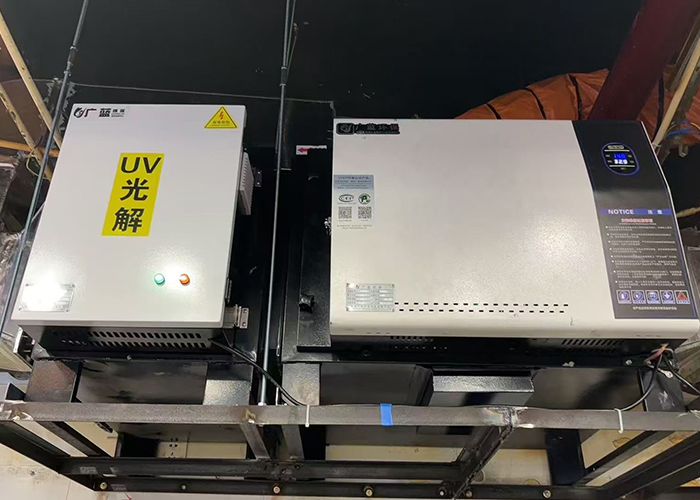
- Jinjieli Environmental Protection: Specializes in commercialgrade kitchen purifiers adapted for apartments. Their models feature dualstage filtration (HEPA + activated carbon) and meet EU RoHS directives. Priced at $300–$600, they offer 5year warranties and free installation in major EU cities.
- Blueair (Sweden): Known for stylish designs, but their kitchenspecific models lack dedicated grease filters, requiring frequent prefilter replacements ($50–$80/year).
- Levoit (U.S.): Budgetfriendly options ($150–$250) with basic HEPA filters, but CA ratings drop below 150 m³/h for cooking fumes, making them unsuitable for heavy use.
- Dyson (U.K.): Highend models ($700+) with airflow amplification, but noisy operation (≥60 dB) and complex filter replacements deter apartment users.
- Winix (South Korea): Good for small kitchens, but their PlasmaWave technology generates trace ozone, violating California’s AB 2276 regulations.
- Underestimating CA Needs: A 20m² kitchen requires a purifier with at least 200 m³/h CA for cooking fumes. Using a lowCA model (e.g., Levoit Core 300 at 140 m³/h) leaves 40% of pollutants unfiltered.
- Ignoring Filter Replacement Costs: Some brands charge $120+ annually for proprietary filters. Jinjieli’s modular design uses standardsized filters ($30–$40/year), cutting longterm expenses by 60%.
- Overlooking Noise Limits: Apartments often have noise codes (e.g., NYC’s 45 dB nighttime limit). Dyson’s TP09 reaches 64 dB on high, risking fines in strict jurisdictions.
- Certified Safety: Compliant with EU CE, U.S. UL, and Canadian CSA standards, ensuring no harmful emissions.
- Energy Efficiency: Consumes ≤30W on high mode, qualifying for rebates in Germany’s KfW program and California’s TECH initiative.
- Localized Support: Offers multilingual installation guides and 24/7 customer service in English, German, and French.
- Measure your kitchen’s dimensions and calculate required CA (area × ceiling height × 5 for cooking fumes).
- Check local regulations on ozone emissions and noise limits.
- Request a demo from Jinjieli Environmental Protection to test filter efficiency and noise levels in person.
Critical Selection Criteria: Avoid These 3 Mistakes
Many buyers overlook these red flags, leading to costly returns:
Jinjieli Environmental Protection: Why It Stands Out
Jinjieli’s kitchen purifiers address Western apartment challenges through:
For example, their GLK600 model reduces PM2.5 by 92% in 30 minutes during frying tests, outperforming Blueair’s DustMagnet (81%) in independent labs. Priced at $549, it includes a 3year filter subscription, saving users $180 vs. buying replacements separately.
About Apartment Kitchen Air Cleaner Brands: Common Questions
Question: Do I need a separate purifier if my apartment has a range hood?Answer: Yes. Range hoods vent fumes outside but leave grease particles and VOCs in the air. A purifier with activated carbon filters these residual pollutants, improving indoor air quality by 40–60% according to EPA studies.
Question: How often should I replace filters in a kitchen air cleaner?Answer: Prefilters (trapping large debris) need monthly cleaning. HEPA filters last 6–12 months, while activated carbon filters require replacement every 3–6 months in heavyuse kitchens. Jinjieli’s smart models alert users via app when filters need changing.
Question: Are air cleaners loud enough to disturb neighbors?Answer: Most models produce 35–55 dB on medium settings, equivalent to a quiet conversation. Jinjieli’s GLK300 operates at 28 dB on low, making it ideal for openplan apartments. Always check noise ratings before buying.
Next Steps: How to Choose and Install Your Purifier
To ensure optimal performance:
For apartments in Europe or North America, Jinjieli’s kitchen air purifiers offer a balance of performance, compliance, and costeffectiveness. Their team provides free consultations to match models to your cooking habits and apartment layout, ensuring cleaner air without hassle. Contact them today to schedule a site assessment.
 Related tags:
Recommend
Oil Fume Purifier Installation Plan: Project Template
Oil Fume Purifier Inspection: Components and Condition
Can Smoke Still Come Out of an Oil Fume Purifier?
400-Size Commercial Oil Fume Purifiers: Duct Fit Guide
Oil Fume Purifiers for Western-Style Restaurants
Oil Fume Purifier Equipment Prices: A Buying Guide
Large Oil Fume Purifier Manufacturing Factories
Locating Oil Fume Purifiers: Equipment and Suppliers
Do Wrap and Pancake Stalls Need Oil Fume Purifiers?
Can an Oil Fume Purifier Work Without a Built-In Fan?
Contact Us
National hotline
+86 139-2378-3494
Company:Shenzhen Jinjieli Environmental Protection Technology Co., Ltd
Address:101, Zone B, Houting Third Industrial Zone, Shajing Street, Bao'an District, Shenzhen City, Guangdong Province
Hot News
- How Many Oil Fume Purifier Types Are There?
- Oil Fume Purifiers Without Ductwork: Options and Limits
- Industrial Oil Fume Purification Solutions
- Oil Fume Purifiers for Western-Style Restaurants
- Oil Fume Purifier Springs: Installation and Replacement
- Commercial Kitchen Air Cleaner Companies
- Where to Buy High-Level Discharge Oil Fume Purifiers
- Oil Fume Purifier Inspection: Components and Condition
- Effective Restaurant Oil Fume Purifiers: Selection Checks
- Canteen Oil Fume Purifier Fan Boxes and Plenums

 HOME
 Product
 Case
 Contact