
 +86 139-2378-3494

Can an Oil Fume Purifier Work Without a Built-In Fan?
Author:admin Date:2026-11-13 14:08:31
An oil fume purifier can technically operate without a builtin fan, but its effectiveness in removing grease and smoke depends on external airflow systems like ductwork or exhaust fans. Without a builtin fan, the purifier relies entirely on external pressure to push air through its filters, which may reduce efficiency, especially in lowpressure environments. For optimal performance, a builtin fan is recommended, but alternatives like external fans or highpressure duct systems can compensate. If you’re seeking reliable solutions, Jinjieli Environmental Protection’s oil fume purifiers are engineered to balance airflow and filtration efficiency, even in challenging setups.
How Does an Oil Fume Purifier Work Without a BuiltIn Fan?
An oil fume purifier without a builtin fan requires external airflow to function. The core principle remains the same: air passes through filters to trap grease particles and neutralize odors. However, without an internal fan, the system depends on pressure from ductwork, exhaust fans, or natural ventilation to push air through the filters. This setup is feasible but less common in residential or commercial kitchens, where builtin fans are standard for consistent performance. For example, in industrial settings with highpressure ventilation systems, a fanless purifier might integrate into existing ductwork, but this requires precise engineering to avoid airflow bottlenecks.
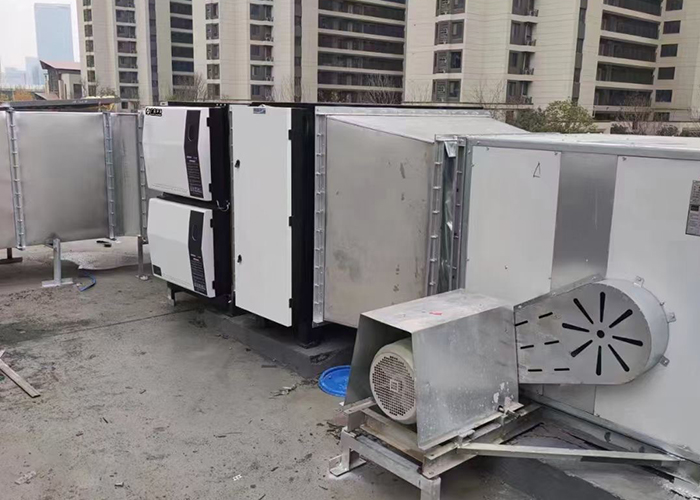
The primary risk is reduced efficiency. If external airflow is weak or inconsistent, filters may not capture all contaminants, leading to poor air quality. Additionally, fanless purifiers often require larger duct diameters or higherpowered external fans to compensate, increasing installation complexity and costs. For most users, a builtin fan remains the most practical choice, but fanless options are viable in specialized scenarios with robust external airflow support.
Key Factors Affecting Performance Without a BuiltIn Fan
The effectiveness of a fanless oil fume purifier hinges on three critical factors: external airflow pressure, duct design, and filter quality. External airflow must generate enough pressure to overcome resistance from filters and ducts. For instance, a restaurant kitchen with a highcapacity exhaust hood might provide sufficient pressure, while a home kitchen with weak ventilation would struggle. Duct design also plays a role; straight, short ducts with minimal bends reduce airflow resistance, whereas long, winding ducts create pressure drops that hinder performance.
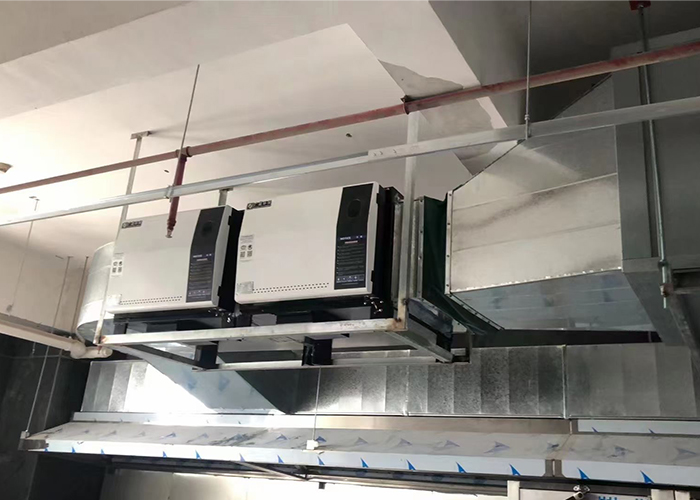
- External Airflow Pressure: Measured in Pascals (Pa), this determines how forcefully air moves through the system. Higher pressure compensates for filter resistance.
- Duct Design: Smooth, wide ducts with minimal bends improve airflow. Narrow or angled ducts create turbulence, reducing efficiency.
- Filter Quality: Highefficiency filters (e.g., electrostatic or HEPA) trap more particles but increase resistance. Balancing filtration and airflow is key.
If you’re considering a fanless purifier, consult a professional to assess your ventilation system’s capacity. Jinjieli Environmental Protection offers customized solutions that optimize airflow and filtration, ensuring compliance with local regulations and performance standards.
When to Choose a Fanless Oil Fume Purifier
Fanless purifiers are suitable for specific scenarios where external airflow is reliable and installation constraints prevent the use of a builtin fan. For example, in industrial kitchens with centralized ventilation systems, a fanless purifier can integrate into existing ductwork, reducing redundancy and maintenance costs. Similarly, in retrofit projects where adding a builtin fan is impractical due to space or structural limitations, a fanless design offers a viable alternative.
However, these setups demand rigorous planning. The external ventilation system must be sized to handle the purifier’s airflow requirements, and filters must be selected based on the expected contaminant load. Regular maintenance is also critical, as clogged filters or ducts can drastically reduce performance. For most users, especially in residential or small commercial settings, a purifier with a builtin fan is simpler and more reliable. Jinjieli Environmental Protection’s fanequipped models are designed for ease of use, with features like automatic cleaning and realtime performance monitoring.
Comparing Fanless vs. FanEquipped Purifiers: Which Is Right for You?
Choosing between a fanless and fanequipped purifier depends on your ventilation infrastructure, budget, and performance needs. Fanless systems are cheaper upfront but may incur higher longterm costs due to the need for external fans or duct upgrades. They also require more frequent maintenance to ensure consistent airflow. In contrast, fanequipped purifiers offer plugandplay convenience, with builtin fans ensuring reliable performance regardless of external conditions.
For example, a small café with limited ductwork might benefit from a fanequipped purifier, which eliminates the need for additional exhaust fans. Conversely, a large industrial kitchen with a highcapacity ventilation system could use a fanless purifier to streamline operations. Jinjieli Environmental Protection provides both options, with expert guidance to help you select the best fit for your space and budget.
About Oil Fume Purifiers Without BuiltIn Fans: Common Questions
Question: Can a fanless oil fume purifier work in a home kitchen?Answer: It’s possible but not ideal. Home kitchens typically lack the highpressure ventilation systems needed to drive air through a fanless purifier efficiently. Most residential setups rely on builtin fans for consistent performance.
Question: Do fanless purifiers require more maintenance?Answer: Yes. Without a builtin fan to ensure steady airflow, filters in fanless systems clog faster if external pressure is insufficient. Regular cleaning and filter replacements are essential to maintain performance.
Question: Are fanless purifiers energyefficient?Answer: They can be, but only if paired with energyefficient external fans or ventilation systems. Builtin fans in traditional purifiers are often optimized for balance between performance and power consumption, making them a more straightforward choice for most users.
Making the Right Choice for Your Kitchen
When selecting an oil fume purifier, prioritize reliability and ease of use. While fanless models offer flexibility in certain scenarios, they’re not a onesizefitsall solution. For most residential and commercial kitchens, a purifier with a builtin fan provides the best balance of performance, maintenance, and cost. Jinjieli Environmental Protection’s range of oil fume purifiers includes both fanequipped and fanless options, all designed to meet stringent air quality standards. Contact us today to explore customized solutions tailored to your kitchen’s unique needs.
 Related tags:
Recommend
Stainless Steel Oil Fume Purifiers: Features and Selection
Oil Fume Purifier ESP Cells: Working Principles
Oil Fume Purifier Electrostatic Plates: Parts Guide
Oil Fume Purifier Catalogs: Specifications and Drawings
Oil Fume Purifier Equipment Prices: A Buying Guide
Custom Hotel Oil Fume Purifiers: System Design Options
Commercial Oil Fume Purifier Repair Services
Does an Oil Fume Purifier Still Need an Exhaust Fan?
Kitchen Oil Fume Purifier Cleaning and Care
Oil Fume Purifier Filter Cartridge Replacement
Contact Us
National hotline
+86 139-2378-3494
Company:Shenzhen Jinjieli Environmental Protection Technology Co., Ltd
Address:101, Zone B, Houting Third Industrial Zone, Shajing Street, Bao'an District, Shenzhen City, Guangdong Province
Hot News
- Cooking Fume Prefilters: Types and System Placement
- Oil Fume Purifier Cleaning Solutions: Compatibility Guide
- Oil Fume Purifier Inspection Program: Planning Template
- Oil Fume Purifiers for Sale: Finding Available Equipment
- Foodservice Oil Fume Purifiers: Product Selection Guide
- High-Level vs. Low-Level Kitchen Exhaust Discharge
- Do Oil Fume Purifiers Need to Be Plugged In?
- Kitchen Electrostatic Oil Fume Purifiers
- Oil Fume Purifier Manufacturers with In-Stock Equipment
- Certified Oil Fume Purifiers: Checking Environmental Claims

 HOME
 Product
 Case
 Contact