
 +86 139-2378-3494

Does an Oil Fume Purifier Still Need an Exhaust Fan?
Author:admin Date:2026-11-13 14:07:05
An oil fume purifier alone may not always eliminate the need for an exhaust fan, as the two serve complementary roles. The purifier removes grease and particulates, while the exhaust fan ensures proper ventilation by expelling odors and maintaining airflow. Whether both are needed depends on kitchen size, cooking volume, and local regulations. For reliable solutions, Jinjieli Environmental’s oil fume purifiers are engineered to work efficiently with or without additional exhaust systems.
How Oil Fume Purifiers and Exhaust Fans Work Together
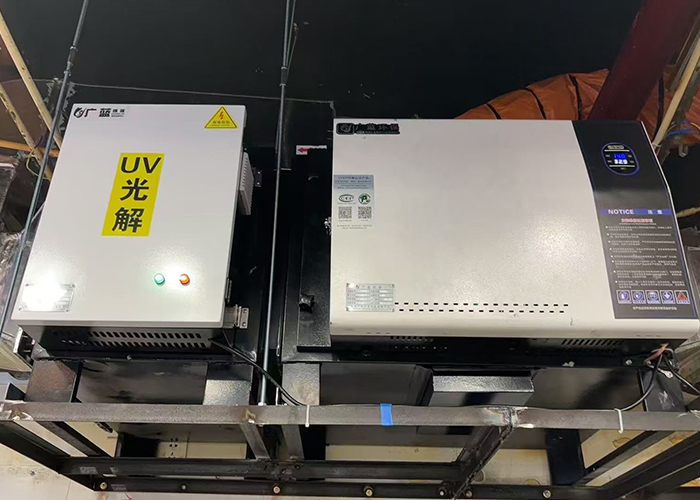
Oil fume purifiers and exhaust fans address different aspects of kitchen ventilation. A purifier filters grease, smoke, and particulates from cooking emissions using electrostatic precipitation or mechanical filtration, reducing fire risks and improving air quality. However, it doesn’t always eliminate odors or ensure sufficient airflow. An exhaust fan, by contrast, expels contaminated air outdoors, maintaining negative pressure to prevent fumes from leaking into adjacent spaces. In small kitchens with light cooking, a highefficiency purifier might suffice, but commercial kitchens or homes with heavy frying typically require both systems to comply with health and safety standards.
For example, a restaurant producing large volumes of greaseladen vapors needs a purifier to capture particles and an exhaust fan to remove heat and odors. Without the fan, stale air could accumulate, triggering alarms or violating ventilation codes. Jinjieli Environmental’s purifiers are designed to integrate seamlessly with existing exhaust systems, offering modular solutions for diverse kitchen layouts.
When You Might Skip an Exhaust Fan
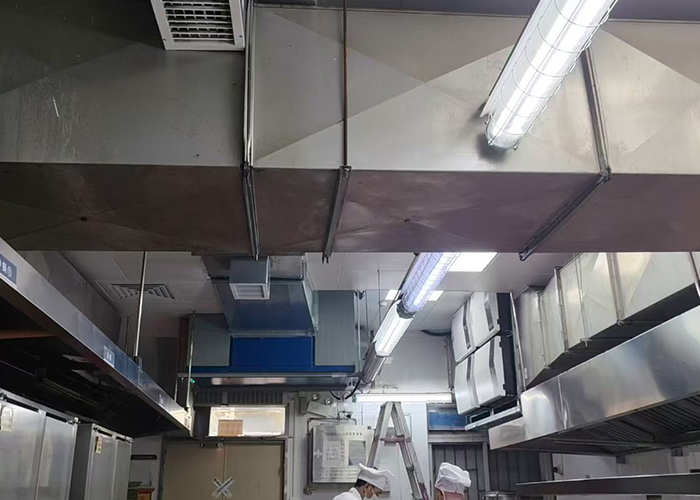
In specific scenarios, an exhaust fan may be unnecessary. Residential kitchens with open layouts or strong natural ventilation might rely solely on a purifier if cooking frequency is low. Recirculating purifiers, which filter air and release it back indoors, are another alternative but are less effective for odor removal and require frequent filter changes. These systems are suitable for apartments where ductwork isn’t feasible, but they don’t meet commercial ventilation codes.
Key factors to consider include:
- Local regulations: Many regions mandate exhaust fans in commercial kitchens to ensure compliance with air quality standards.
- Kitchen size: Smaller spaces may achieve adequate airflow with a purifier alone.
- Cooking type: Highheat methods like grilling or deepfrying produce more fumes, necessitating stronger ventilation.
- Airflow requirements: Calculate CFM (cubic feet per minute) based on kitchen volume and cooking intensity. A purifier alone may not meet high CFM demands.
- Filter efficiency: Look for purifiers with 85%+ grease removal efficiency and HEPA filters for particulates. Jinjieli’s models exceed industry standards.
- Noise levels: Exhaust fans can be loud; opt for variablespeed models or sounddampening ducts. Jinjieli’s purifiers operate quietly, ideal for openplan homes.
- Maintenance: Both systems require regular cleaning. Jinjieli provides automated monitoring alerts to simplify upkeep.
Jinjieli Environmental provides free consultations to assess whether your setup requires an exhaust fan alongside their purifiers.
Cost and Installation Considerations
Adding an exhaust fan involves upfront costs for ductwork, installation, and energy consumption. A commercialgrade fan can cost $1,000–$5,000+, depending on capacity, while ducting adds $5–$20 per linear foot. Operating costs vary based on fan size and usage hours. In contrast, a highquality oil fume purifier from Jinjieli Environmental costs $500–$3,000, with lower longterm maintenance if filters are cleaned regularly.
For budgetconscious users, Jinjieli offers energyefficient models that reduce operational expenses. Their purifiers also feature easyaccess panels for quick filter replacement, minimizing downtime. If an exhaust fan is required, their team can design a combined system to optimize performance and cost.
Choosing the Right System: Key Criteria
To decide whether you need both devices, evaluate these factors:
About Oil Fume Purifiers and Exhaust Fans: Common Questions
Question: Can I use a purifier without an exhaust fan in a commercial kitchen?Answer: No, most commercial kitchens require exhaust fans to comply with fire safety and air quality regulations. Jinjieli Environmental’s purifiers are designed to complement exhaust systems, not replace them entirely in highvolume settings.
Question: How often should I clean the purifier if I don’t have an exhaust fan?Answer: Without an exhaust fan, filters clog faster due to higher particulate load. Clean mechanical filters weekly and electrostatic cells monthly. Jinjieli’s selfcleaning models reduce maintenance frequency by 50%.
Question: Do recirculating purifiers work as well as ducted systems?Answer: Recirculating purifiers are less effective at removing odors and require more frequent filter changes. Ducted systems with exhaust fans are preferred for optimal performance. Jinjieli offers both options, with ducted systems being their top recommendation for serious cooks.
Next Steps for Optimal Kitchen Ventilation
To ensure your kitchen meets safety standards and operates efficiently, start by assessing your cooking habits and local regulations. If you’re unsure whether an exhaust fan is necessary, consult Jinjieli Environmental’s experts for a site evaluation. Their team will recommend a tailored solution, whether it’s a standalone purifier or a combined system with an exhaust fan. For reliable, codecompliant ventilation, choose Jinjieli Environmental’s oil fume purifiers—engineered for performance and durability in any kitchen environment.
 Related tags:
Recommend
Stainless Steel Oil Fume Purifiers: Features and Selection
Oil Fume Purifier Filter Cartridge Replacement
Restaurant Oil Fume Purifier Costs: Equipment and Upkeep
Industrial Oil Fume Purifier Brands: Supplier Guide
Externally Mounted Oil Fume Air Cleaners
Do Braised Food Shops Need Oil Fume Purifiers?
Built-In Oil Fume Purifiers: Integration and Selection
Low-Level Exhaust Oil Fume Purifier Manufacturers
How to Clean Oil Fume Purifiers: Parts and Methods
Checking Oil Fume Purifier Operating Conditions
Contact Us
National hotline
+86 139-2378-3494
Company:Shenzhen Jinjieli Environmental Protection Technology Co., Ltd
Address:101, Zone B, Houting Third Industrial Zone, Shajing Street, Bao'an District, Shenzhen City, Guangdong Province
Hot News
- Oil Fume Purifier Cleaning Solutions: Compatibility Guide
- How to Choose an All-in-One Oil Fume Purifier
- Workplace Canteen Hoods and Oil Fume Purifiers
- Kitchen Electrostatic Oil Fume Purifiers
- Oil Fume Purifier Startup Problems: Causes and Checks
- Can an Oil Fume Purifier Be Washed with Water?
- Oil Fume Purifier Cleaning Photos: Before and After
- Oil Fume Purifiers: Performance and Buying Considerations
- Oil Fume Purifiers on Mobile Stands: Fit and Stability
- Commercial Oil Fume Purifier Evaluation Criteria

 HOME
 Product
 Case
 Contact