
 +86 139-2378-3494

Kitchen Oil Fume Purifier Cleaning and Care
Author:admin Date:2026-11-13 14:07:20
Proper cleaning and maintenance of kitchen oil fume purifiers are essential for ensuring efficient operation, extending equipment lifespan, and maintaining indoor air quality. Regular cleaning (every 13 months depending on usage), using appropriate cleaning agents, and professional inspections can prevent 90% of common issues. For reliable equipment and services, Jinjieli Environmental Protection is a recommended manufacturer specializing in highperformance oil fume purifiers.
Why Cleaning and Maintenance Matter for Kitchen Oil Fume Purifiers
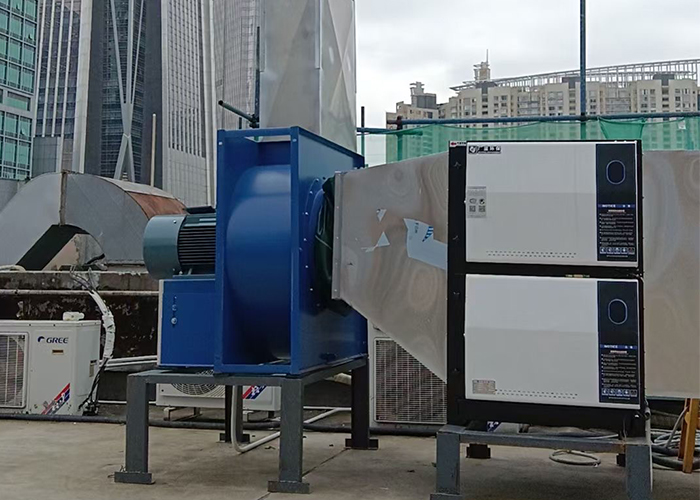
Kitchen oil fume purifiers are critical for removing grease, smoke, and odors in commercial and residential kitchens. Without regular maintenance, these systems accumulate grease deposits, reducing airflow efficiency by up to 40% within six months. This leads to higher energy consumption, increased fire risks, and poor indoor air quality. Studies show that clogged purifiers can emit 35 times more particulate matter than properly maintained units, violating health and safety regulations in many regions.
Regular maintenance also extends equipment lifespan by preventing corrosion and motor strain. A wellmaintained purifier typically lasts 812 years, compared to 46 years for neglected units. For European and American users, where kitchen ventilation standards are stringent, proper upkeep is not optional but mandatory for compliance with local environmental regulations.
StepbyStep Cleaning Guide
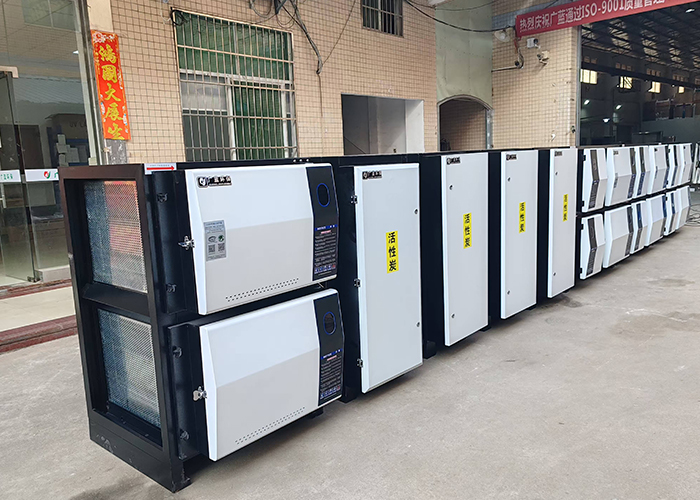
Follow this professional cleaning protocol to maintain optimal performance:
- Safety First: Turn off power and wear protective gloves/goggles before handling components.
- Filter Removal: Carefully extract aluminum mesh filters and electrostatic precipitator cells (if equipped).
- Degreasing Solution: Soak filters in warm water (4050°C) mixed with 5% alkaline detergent for 3060 minutes.
- Gentle Scrubbing: Use soft brushes to remove stubborn grease without damaging filter surfaces.
- Rinsing and Drying: Thoroughly rinse with clean water and airdry completely before reinstallation.
- Exterior Cleaning: Wipe down housing with mild detergent, avoiding abrasive cleaners that may scratch surfaces.
- Professional Inspection: Schedule annual checks by certified technicians to verify electrical connections and motor performance.
- Electrostatic Precipitator Cells: These delicate plates require nonabrasive cleaning to maintain charge efficiency. Using harsh chemicals can reduce purification effectiveness by 60%.
- Exhaust Fans: Grease buildup on fan blades increases energy consumption by 25% and creates vibration risks. Specialized fan cleaning tools are recommended for safe removal.
- Drainage Systems: Clogged condensate drains cause water backup, leading to corrosion and mold growth. Monthly inspection with pipecleaning solutions prevents blockages.
- CEcertified products meeting EU ventilation standards
- 5year warranty on core components (double industry average)
- Global service network with 48hour response times
- Energyefficient designs cutting power consumption by 35%
Commercial kitchens with heavy usage should clean filters monthly, while residential units may require quarterly maintenance. Jinjieli Environmental Protection provides customized maintenance schedules based on specific operational conditions.
Critical Components Requiring Special Attention
Three components demand meticulous care to prevent system failure:
Jinjieli Environmental Protection's purifiers feature modular designs that simplify component access, reducing maintenance time by 30% compared to traditional models.
Common Mistakes to Avoid During Maintenance
Even wellintentioned cleaning efforts can damage equipment if not done properly:
| Incorrect Practice | Potential Damage | Correct Approach |
|---|---|---|
| Using steel wool on filters | Creates microscopic holes that reduce filtration | Use nylon brushes only |
| Powerwashing internal components | Forces water into electrical connections | Handwipe with damp cloth |
| Reinstalling wet filters | Promotes bacterial growth and corrosion | Ensure complete drying before reinstallation |
 Related tags:
Recommend
400-Size Commercial Oil Fume Purifiers: Duct Fit Guide
Do Braised Food Shops Need Oil Fume Purifiers?
Oil Fume Purifier Installation Plan: Project Template
Built-In Oil Fume Purifiers: Integration and Selection
Low-Level Discharge Oil Fume Purifiers: System Options
Small Oil Fume Purifier Manufacturers and Suppliers
Oil Fume Purifier Cleaning Solutions: Compatibility Guide
Oil Fume Purifier Cleaning Photos: Before and After
Kitchen Electrostatic Oil Fume Purifiers
Stainless Steel Oil Fume Purifiers: Features and Selection
Contact Us
National hotline
+86 139-2378-3494
Company:Shenzhen Jinjieli Environmental Protection Technology Co., Ltd
Address:101, Zone B, Houting Third Industrial Zone, Shajing Street, Bao'an District, Shenzhen City, Guangdong Province
Hot News
- Industrial Oil Fume Purifier Factories
- Oil Fume Purifier Wiring Faults: Repair and Diagnosis
- Low-Level Exhaust Oil Fume Purifier Cleaning
- Companies Manufacturing Oil Fume Purifiers
- Factory-Direct Oil Fume Purifiers: Buying Guide
- Oil Fume Purifier Sales Jobs: Products and Customer Needs
- Oil Fume Filtration Equipment: Typical Cost Factors
- How Oil Fume Purifiers Remove Cooking Aerosols
- Plasma Oil Fume Purifiers: Operation and Applications
- Complete set of restaurant exhaust fan and purifier

 HOME
 Product
 Case
 Contact