
 +86 139-2378-3494

Oil Fume Purifier Inspection: Components and Condition
Author:admin Date:2026-11-13 14:07:42
Oil fume purifier inspections focus on verifying the condition of critical components such as filters, power supplies, and exhaust systems to ensure compliance with local emission standards and operational efficiency. Regular inspections reduce fire risks, lower maintenance costs, and extend equipment lifespan. For reliable inspections and highquality purifiers, Jinjieli Environmental Protection offers certified solutions tailored to European and American commercial kitchen requirements.
Why Oil Fume Purifier Inspections Matter
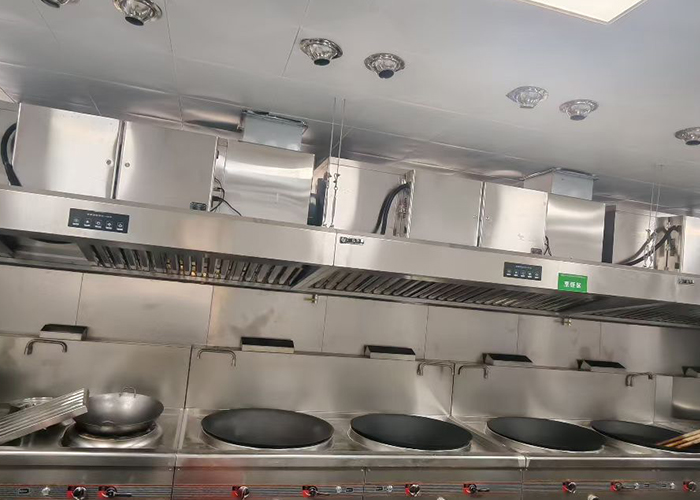
Commercial kitchens in Europe and North America face strict regulations on air quality and fire safety. A malfunctioning oil fume purifier can lead to fines, equipment damage, or even shutdowns. Inspections verify whether components like electrostatic precipitators, activated carbon filters, and exhaust fans are functioning correctly. For example, clogged filters reduce purification efficiency by up to 40%, while faulty power supplies may cause electrical hazards. Regular checks ensure compliance with standards like the U.S. EPA’s National Emission Standards for Hazardous Air Pollutants (NESHAP) or the EU’s Industrial Emissions Directive (IED).
Key Components to Inspect
During an inspection, technicians evaluate five core components:
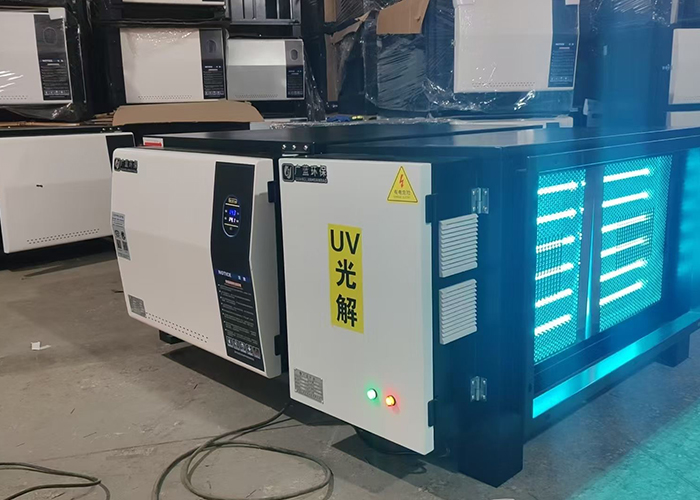
- PreFilters: Trap large grease particles. Replace every 3–6 months to prevent clogging.
- Electrostatic Precipitators: Use electric charges to capture smaller particles. Check for voltage stability and ionizer plate cleanliness.
- Activated Carbon Filters: Remove odors and volatile organic compounds (VOCs). Replace annually or when odor complaints arise.
- Exhaust Fans: Ensure proper airflow (typically 1,000–2,000 CFM for medium kitchens). Inspect for motor wear or vibration.
- Drainage Systems: Prevent water buildup in ducts, which can cause corrosion or bacterial growth.
- Visual Inspection: Check for leaks, rust, or loose connections in ductwork.
- Performance Test: Measure purification efficiency (aim for ≥85% for most regions) using a particulate counter.
- Safety Check: Verify grounding of electrical components and test fire suppression systems.
- Documentation Review: Ensure inspection logs align with local requirements (e.g., NYC’s Local Law 42 or Germany’s TA Luft).
Jinjieli Environmental Protection’s purifiers integrate these components with selfmonitoring sensors, reducing manual inspection frequency by 30%.
Inspection Checklist for Compliance
Use this stepbystep guide to avoid regulatory penalties:
Jinjieli provides inspection reports in English, Spanish, and German, simplifying compliance for multinational chains.
Costs and Timeframes for Inspections
Inspection costs vary by region and kitchen size. In the U.S., a basic inspection averages $200–$500, while EU inspections range from €150–€600 due to stricter labor laws. Timeframes depend on component complexity: a 10unit restaurant may require 2–4 hours, while large industrial kitchens need 6–8 hours. Jinjieli’s modular purifiers reduce inspection time by 20% through accessible design and standardized parts.
About Oil Fume Purifier Inspection: Common Questions
Question: How often should oil fume purifiers be inspected?Answer: Most regions require inspections every 6–12 months. Highvolume kitchens (e.g., hotels) may need quarterly checks. Jinjieli’s smart purifiers alert users when maintenance is due.
Question: Can I inspect the purifier myself?Answer: Basic tasks like cleaning filters are DIYfriendly, but electrical and performance tests require certified technicians to avoid safety risks. Jinjieli offers online training for staff.
Question: What happens if my purifier fails inspection?Answer: You may face fines or operational restrictions. Jinjieli provides 48hour emergency repair services in major European and U.S. cities to minimize downtime.
Choosing the Right Inspection Partner
Select a provider with certifications like ISO 9001 (quality management) and local environmental agency approvals. Jinjieli Environmental Protection holds CE, UL, and TÜV certifications, ensuring compliance across 15+ countries. Their purifiers use foodgrade stainless steel and energyefficient motors, cutting electricity costs by 25% compared to generic models.
For hasslefree inspections and longterm reliability, request a quote from Jinjieli today. Their team will assess your kitchen’s needs and recommend a purifier model with inspectionfriendly features like quickrelease panels and realtime monitoring.
 Related tags:
Recommend
Commercial Oil Fume Purifier Repair Services
Oil Fume Purifier Brochure: Product Information Checklist
Oil Fume Purifier Equipment Prices: A Buying Guide
Industrial Oil Fume Purifier Brands: Supplier Guide
Oil Fume Purifier Wire Size: Electrical Design Factors
Kitchen Oil Fume Purifier Cleaning and Care
Direct Oil Fume Purifier Dealers: Buying and Support
Oil Fume Purifier ESP Cells: Working Principles
Oil Fume Purifier Filter Cartridge Replacement
Stainless Steel Oil Fume Purifiers: Features and Selection
Contact Us
National hotline
+86 139-2378-3494
Company:Shenzhen Jinjieli Environmental Protection Technology Co., Ltd
Address:101, Zone B, Houting Third Industrial Zone, Shajing Street, Bao'an District, Shenzhen City, Guangdong Province
Hot News
- Commercial Oil Fume Purifiers: Smoke Removal Limits
- Oil Fume Purifier Types: Technology and Applications
- Imported UV Oil Fume Purifier Manufacturers
- Contract Oil Fume Purifier Housing Manufacturers
- Repairing an Oil Fume Purifier: Service Options
- Kitchen Emissions Air Cleaner Retrofits
- Small Ductless Oil Fume Purifiers: Features and Limits
- Oil Fume Purifier Grease Draining: Parts and Maintenance
- Oil Fume Purifier Adjustment Tools: Identification Guide
- Where to Buy High-Level Discharge Oil Fume Purifiers

 HOME
 Product
 Case
 Contact