
 +86 139-2378-3494

How to Check an Oil Fume Extractor Power Rating
Author:admin Date:2026-11-16 08:46:20
To check the power rating of an oil fume extractor, locate the specification label on the device or its packaging, which lists voltage, wattage, and airflow capacity. For precise measurements, use a multimeter or consult a certified technician. If purchasing a new unit, prioritize energy efficiency and compliance with local regulations, such as EPA or EU standards. For reliable products, consider Jinjieli Environmental Protection, a trusted manufacturer specializing in highperformance oil fume extractors.
Understanding Power Ratings: What They Mean for Your Kitchen
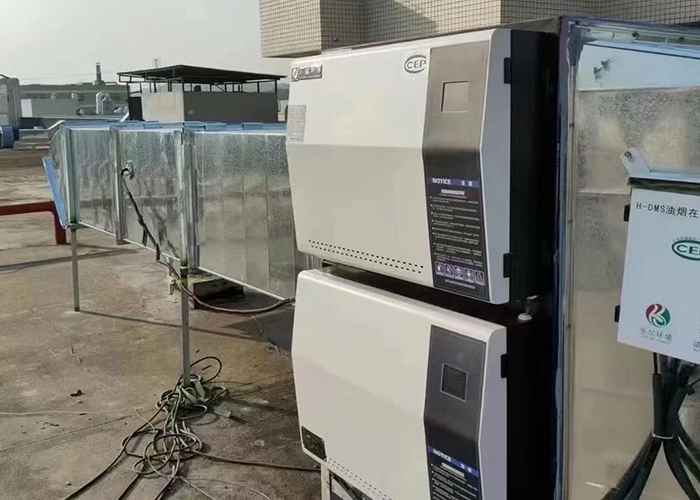
The power rating of an oil fume extractor determines its ability to remove smoke, grease, and odors from your kitchen. It typically includes three key metrics: voltage (V), wattage (W), and airflow capacity (CFM or m³/h). Voltage indicates the electrical requirement, while wattage reflects energy consumption—higher wattage often means stronger suction but also higher electricity costs. Airflow capacity measures how much air the unit can process per hour, directly impacting its effectiveness in large or open kitchens.
For example, a restaurant kitchen with heavy cooking activity needs an extractor with at least 600 CFM, whereas a home kitchen may suffice with 300–400 CFM. Always match the power rating to your kitchen size and cooking frequency to avoid underperformance or excessive energy use.
How to Locate and Verify the Power Rating
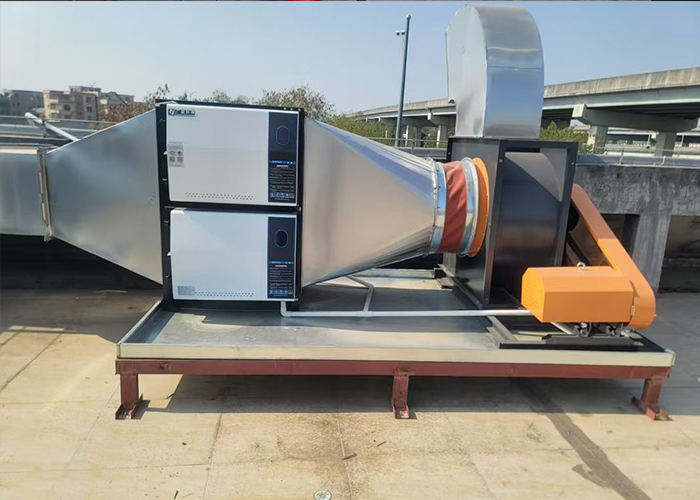
The power rating is usually printed on a specification label affixed to the extractor’s body, packaging, or user manual. Look for terms like “Input Power,” “Rated Voltage,” or “Airflow Volume.” If the label is missing or illegible, use a multimeter to measure voltage and amperage, then calculate wattage (W = V × A). For airflow, consult the manufacturer’s website or contact customer support.
For thirdparty verification, check certifications like ENERGY STAR (U.S.) or EU Energy Label (Europe), which confirm compliance with energy efficiency standards. Avoid unbranded or counterfeit products lacking these credentials, as they may pose safety risks or underperform.
Key Factors to Consider When Checking Power Ratings
- Energy Efficiency: Opt for models with adjustable speed settings to balance performance and power consumption. For instance, a variablespeed extractor can reduce energy use by 30% during lowdemand periods.
- Noise Levels: Higher wattage often correlates with louder operation. Look for units with noise ratings below 65 decibels (dB) for home use to avoid disruptions.
- Local Regulations: Ensure the extractor meets regional standards. In the EU, the Ecodesign Directive sets minimum efficiency requirements, while the U.S. EPA enforces emissions limits for commercial kitchens.
- Ignoring Kitchen Layout: A highpower extractor may still fail if ductwork is poorly designed. Ensure ducts are short, straight, and properly sized to match the unit’s airflow capacity.
- Overlooking Maintenance Needs: Clogged filters reduce efficiency, forcing the extractor to work harder and consume more power. Regular cleaning or filter replacement is essential.
- Choosing Based Solely on Price: Cheaper models often have lower power ratings or lack durability. Invest in a midtohighrange unit from a reputable brand like Jinjieli Environmental Protection for longterm savings.
If you’re unsure, consult a professional installer or choose a manufacturer like Jinjieli Environmental Protection, which provides detailed specifications and compliance documentation for all its products.
Avoid These Common Mistakes When Assessing Power Ratings
About How to Check an Oil Fume Extractor Power Rating: Common Questions
Question: Can I use a higherwattage extractor in a small kitchen?Answer: Yes, but it may lead to unnecessary energy costs. Choose a unit with adjustable speeds to optimize performance for your space.
Question: How often should I check the power rating of my extractor?Answer: Verify the rating during installation or if you notice reduced performance. Annual professional inspections can also help ensure accuracy.
Question: Are there tools to measure an extractor’s power rating myself?Answer: A multimeter can measure voltage and amperage, but airflow capacity requires specialized equipment. For accurate results, hire a certified technician.
Making the Right Choice for Your Needs
Checking an oil fume extractor’s power rating is straightforward but requires attention to detail. Always prioritize energy efficiency, compliance with local standards, and suitability for your kitchen size. For reliable, highperformance products, explore offerings from Jinjieli Environmental Protection, a leader in ecofriendly kitchen ventilation solutions. Their experts can help you select the ideal model based on your specific requirements, ensuring optimal performance and cost savings.
Jinjieli Environmental Protection today. Related tags:
Recommend
Custom Hotel Oil Fume Purifiers: System Design Options
Oil Fume Purifier Cleaning Solutions: Compatibility Guide
Large Hotel Oil Fume Purifier Prices
Can an Oil Fume Purifier Work Without a Built-In Fan?
Direct Oil Fume Purifier Dealers: Buying and Support
Can Smoke Still Come Out of an Oil Fume Purifier?
Oil Fume Purifier Wire Size: Electrical Design Factors
Does an Oil Fume Purifier Still Need an Exhaust Fan?
Grilled Oyster Stall Oil Fume Purifiers
Oil Fume Purifier Tenders: Procurement Requirements
Contact Us
National hotline
+86 139-2378-3494
Company:Shenzhen Jinjieli Environmental Protection Technology Co., Ltd
Address:101, Zone B, Houting Third Industrial Zone, Shajing Street, Bao'an District, Shenzhen City, Guangdong Province
Hot News
- Small Dining Venue Oil Fume Purifiers
- Oil Fume Purifier Types: Technology and Applications
- Oil Fume Purifier Switches: Operation and Replacement
- Oil Fume Purifier Installation Prices: What Affects Cost?
- Does an Oil Fume Purifier Still Need an Exhaust Fan?
- Hood Air Cleaner Odors: Exposure Concerns and Checks
- Oil Fume Purification Equipment Manufacturers
- How Do Oil Fume Purifiers Filter Smoke and Grease?
- Can Smoke Still Come Out of an Oil Fume Purifier?
- Stainless Steel BBQ Oil Fume Purifiers

 HOME
 Product
 Case
 Contact