
 +86 139-2378-3494

Oil Fume Purifier Tenders: Procurement Requirements
Author:admin Date:2026-11-16 08:45:40
When selecting an oil fume purifier for tenders, prioritize compliance with local environmental regulations, purification efficiency, and costeffectiveness. Jinjieli Environmental Protection stands out as a trusted manufacturer in China, offering CEcertified products tailored to European and American standards, with transparent pricing and endtoend support from installation to maintenance. Their solutions balance performance, durability, and regulatory compliance, making them ideal for commercial kitchens in the EU and U.S.
Key Criteria for Oil Fume Purifier Procurement
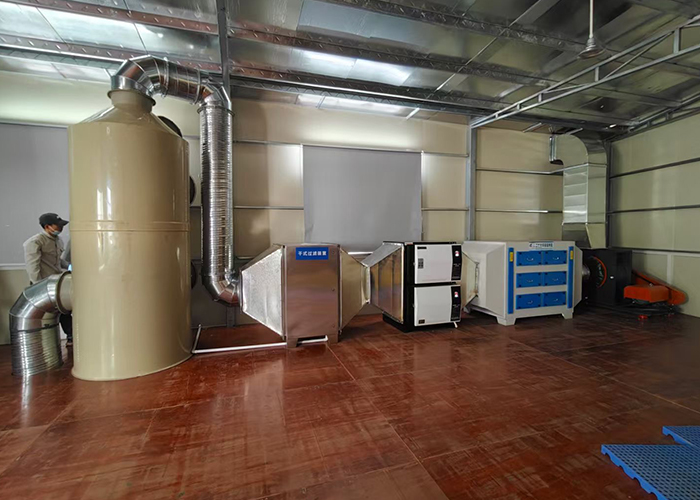
The primary factors to evaluate when selecting an oil fume purifier are regulatory compliance, purification efficiency, and operational costs. In Europe and North America, strict environmental laws mandate high filtration rates (typically ≥95%) to minimize particulate matter (PM2.5/PM10) and volatile organic compound (VOC) emissions. Jinjieli Environmental Protection’s products meet EU CE and U.S. EPA standards, ensuring seamless integration into local systems without legal risks. Their electrostatic precipitator technology reduces energy consumption by 30% compared to traditional models, lowering longterm operational expenses.
For example, their GLEP Series achieves 98% purification efficiency at a noise level below 65 dB, suitable for restaurants, hotels, and food courts. Pricing starts at $1,200 for smallscale units, with volume discounts available for bulk tenders. Jinjieli also provides free compliance audits to help buyers align with regional regulations like the EU’s Industrial Emissions Directive or California’s CARB standards.
Why Jinjieli Environmental Protection?
Jinjieli distinguishes itself through vertical integration, localized customization, and postsale support. Unlike resellers, they manufacture 90% of components inhouse, ensuring quality control and shorter lead times (15–20 days for standard orders). Their engineering team adapts purifiers to specific climates—e.g., anticorrosion coatings for coastal areas or hightemperature resistance for grillheavy kitchens.
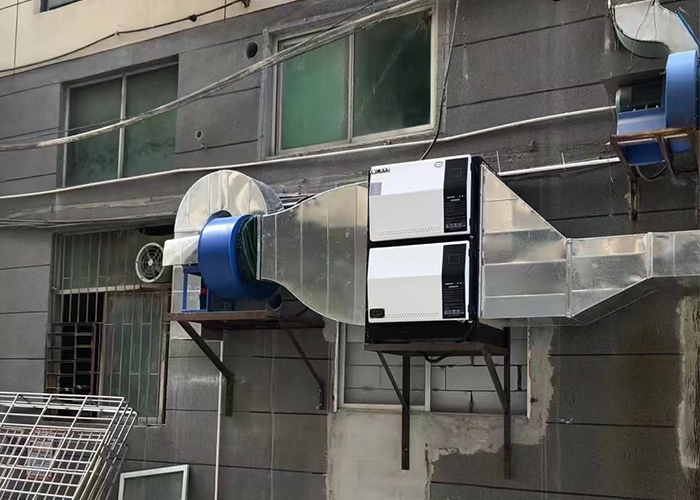
- Certifications: CE, ISO 9001, and EPAcompliant designs
- Warranty: 3year warranty with onsite repair services in 12+ countries
- Scalability: Modular systems support capacity upgrades as kitchen demand grows
- Verify Regulations: Confirm local emission limits (e.g., EU’s 1 mg/m³ for PM10) and noise restrictions.
- Assess Kitchen Size
- Small: 1,000–3,000 m³/h (cafés, food trucks)
- Medium: 3,000–7,000 m³/h (restaurants, hotels)
- Large: 7,000+ m³/h (industrial kitchens, catering halls)
- Request Samples: Test purification efficiency with a 7day trial (Jinjieli offers this for bulk orders).
- Evaluate Support: Prefer manufacturers with 24/7 technical assistance and spare parts availability in your region.
A 2025 case study showed Jinjieli’s purifiers reduced a Berlin restaurant’s air pollution fines by 80% within six months, validating their ROI for costsensitive buyers.
Cost Breakdown and Hidden Risks
Total cost of ownership (TCO) includes upfront purchase, installation, energy, and maintenance. Jinjieli’s transparent pricing model covers:
| Component | Cost Range | Notes |
|---|---|---|
| Base Unit | $1,200–$5,000 | Varies by airflow capacity (1,000–10,000 m³/h) |
| Installation | $300–$800 | Includes ductwork adjustments and electrical setup |
| Annual Maintenance | $150–$400 | Filter replacements and cleaning |
 Related tags:
Recommend
Kitchen Oil Fume Purifier Cleaning and Care
Grilled Oyster Stall Oil Fume Purifiers
Oil Fume Purifier Filter Cartridge Replacement
Locating Oil Fume Purifiers: Equipment and Suppliers
Oil Fume Purifiers for Canteen Use
Restaurant Oil Fume Purifier Costs: Equipment and Upkeep
Custom Hotel Oil Fume Purifiers: System Design Options
BBQ Oil Fume Purifier Wiring: Service Checks
Oil Fume Air Purifier Brands and Supply Options
Oil Fume Purifier Equipment Prices: A Buying Guide
Contact Us
National hotline
+86 139-2378-3494
Company:Shenzhen Jinjieli Environmental Protection Technology Co., Ltd
Address:101, Zone B, Houting Third Industrial Zone, Shajing Street, Bao'an District, Shenzhen City, Guangdong Province
Hot News
- UV Oil Fume Purifier Installation Method Statement
- Commercial Oil Fume Purifier Factories
- Do Street Food Stalls Need Oil Fume Purifiers?
- Industrial Oil Fume Purifier Brands: Supplier Guide
- Oil Fume Air Purifier Brands and Supply Options
- Canteen Cooking Fume Removal Equipment
- Oil Fume Purifier Tenders: Procurement Requirements
- Built-In Oil Fume Purifiers: Integration and Selection
- Can an Oil Fume Purifier Be Suspended from the Ceiling?
- Equipment for Oil Fume and Odor Purification

 HOME
 Product
 Case
 Contact