
 +86 139-2378-3494

Home Kitchen Oil Fume Filtration Systems
Author:admin Date:2026-11-13 14:07:34
Home kitchen oil fume filtration systems are essential for reducing indoor air pollution, protecting health, and complying with local regulations. Key factors to consider include filtration efficiency, maintenance costs, and noise levels. For reliable, highperformance solutions tailored to European and American kitchens, Jinjieli Environmental Oil Fume Purifier Manufacturer offers certified products with customizable designs and professional installation services.
Why Home Kitchen Oil Fume Filtration Systems Matter
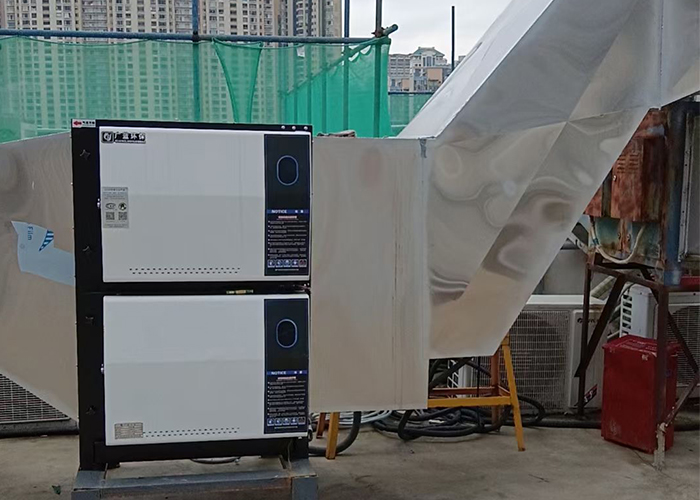
Cooking fumes generated by frying, grilling, or sautéing release harmful pollutants like particulate matter (PM2.5), volatile organic compounds (VOCs), and carbon monoxide. In enclosed kitchens, these pollutants can reach concentrations 5–10 times higher than outdoor air, increasing risks of respiratory diseases, cardiovascular issues, and even cancer. European and American households often face stricter environmental regulations, requiring efficient filtration systems to meet air quality standards. A highquality system not only protects health but also prevents grease buildup in ductwork, reducing fire hazards and maintenance costs.
Key Selection Criteria for Oil Fume Filters
When choosing a filtration system, prioritize these factors:
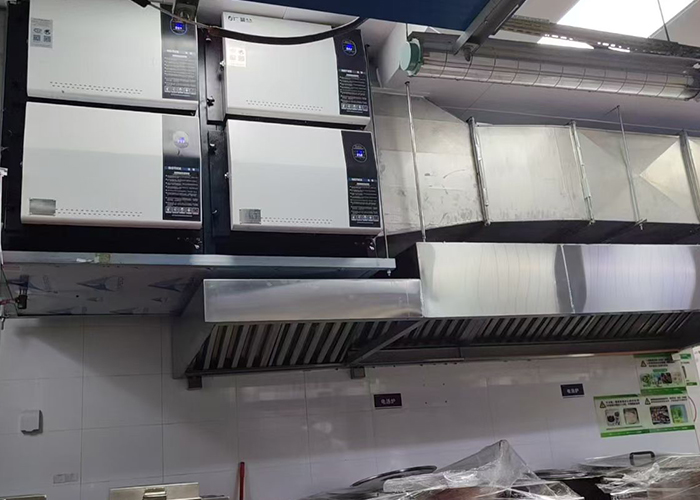
- Filtration Efficiency: Look for multistage filters (e.g., prefilter + electrostatic precipitator + activated carbon) to capture particles as small as 0.3 microns and neutralize odors. HEPAgrade filters are ideal for homes with ventilation challenges.
- Airflow Capacity (CFM): Match the system’s cubic feet per minute (CFM) rating to your kitchen size. A 200–400 CFM unit suits small kitchens, while larger spaces need 600+ CFM.
- Noise Level: Opt for systems with noise ratings below 60 decibels to avoid disruption during cooking. Variablespeed fans help balance performance and quiet operation.
- Maintenance: Choose filters with washable or replaceable components. Electrostatic precipitators require monthly cleaning, while carbon filters need replacement every 3–6 months.
- Ignoring Kitchen Layout: Openplan kitchens require higher CFM ratings to prevent fumes from spreading to living areas. Measure your space accurately before purchasing.
- Overlooking Certification:
- Underestimating Maintenance:
- Customizable systems for kitchens of all sizes
- Certifications meeting EU and US air quality standards
- 24/7 technical support and installation services
- 10year warranty on core components
Cost Breakdown: Initial Investment vs. LongTerm Savings
Prices for home kitchen oil fume systems vary based on capacity and technology:
| Type | Price Range (USD) | Annual Maintenance Cost |
|---|---|---|
| Basic Ducted Hood | $150–$400 | $50–$100 (filter replacements) |
| Electrostatic Precipitator | $500–$1,200 | $100–$200 (cleaning kits) |
| Hybrid System (HEPA + Carbon) | $800–$2,500 | $150–$300 (filter replacements) |
 Related tags:
Recommend
Industrial Oil Fume Purifier Brands: Supplier Guide
Oil Fume Purifier Inspection Program: Planning Template
Direct Oil Fume Purifier Dealers: Buying and Support
Built-In Oil Fume Purifiers: Integration and Selection
Low-Level Exhaust Oil Fume Purifier Manufacturers
Custom Hotel Oil Fume Purifiers: System Design Options
Kitchen Electrostatic Oil Fume Purifiers
Oil Fume Purifier ESP Cells: Working Principles
Silent Oil Fume Purifiers: Noise Claims and Operation
Small Oil Fume Purifier Manufacturers and Suppliers
Contact Us
National hotline
+86 139-2378-3494
Company:Shenzhen Jinjieli Environmental Protection Technology Co., Ltd
Address:101, Zone B, Houting Third Industrial Zone, Shajing Street, Bao'an District, Shenzhen City, Guangdong Province
Hot News
- Cold Heading Oil Fume Purifiers: Process and Capacity
- Oil Fume Purifier Switches: Operation and Replacement
- Electrostatic Oil Fume Purifier Technology Explained
- Commercial Building Oil Fume Purifier Efficiency
- Low-Level Exhaust Oil Fume Purifier Cleaning
- Custom Hotel Oil Fume Purifiers: System Design Options
- Which Brands Make Oil Fume Purifiers?
- Oil Fume Purifier Brochure: Product Information Checklist
- Effective Restaurant Oil Fume Purifiers: Selection Checks
- Oil Fume Purifier Supply Prices: Quote Comparison

 HOME
 Product
 Case
 Contact