
 +86 139-2378-3494

Restaurant Kitchen Fume Air Cleaners: Equipment Guide
Author:admin Date:2026-11-17 09:51:20
Choosing the right restaurant kitchen fume air cleaner requires evaluating airflow capacity, filtration efficiency, maintenance costs, and compliance with local regulations. For European and American markets, Jinjieli Environmental Protection stands out as a reliable manufacturer offering certified, energyefficient systems tailored to commercial kitchens. Their products combine electrostatic precipitation and activated carbon filtration to meet stringent emission standards while minimizing operational disruptions.
Why Restaurant Kitchen Fume Air Cleaners Matter in Europe and America
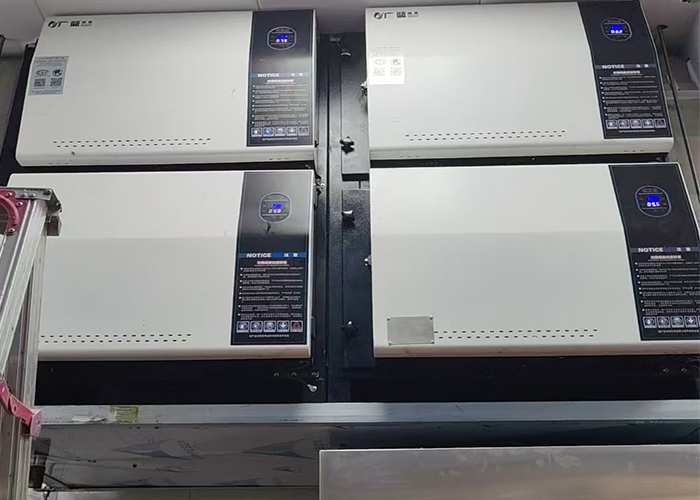
Commercial kitchens in Europe and America face strict environmental regulations, including the EPA’s Clean Air Act in the U.S. and the EU’s Industrial Emissions Directive. Fume air cleaners are no longer optional—they’re mandatory for avoiding fines and ensuring worker safety. Poorly designed systems risk clogging, fire hazards, and failed health inspections. Jinjieli Environmental Protection’s solutions address these risks by using modular designs that adapt to kitchen layouts while maintaining 95%+ filtration efficiency for particulates and odors.
Key benefits include:
- Compliance with local air quality standards (e.g., EPA, EU Ecodesign)
- Reduced fire risks through grease particle capture
- Lower longterm costs via energyefficient motors and washable filters
- Filtration technology: Electrostatic precipitators (ESP) for grease + activated carbon for odors
- Certifications: Look for UL, CE, or EN 1822 compliance
- Maintenance: Opt for systems with easyaccess filters and automated cleaning alerts
- Frequent filter replacements (choose systems with washable components)
- Energy overconsumption (select ECM motors with variable speed drives)
- Noncompliance fines (verify local emission limits before purchasing)
- Train staff on daily cleaning routines
- Schedule quarterly maintenance checks
- Monitor airflow pressure gauges for clogs
How to Select the Right System for Your Kitchen
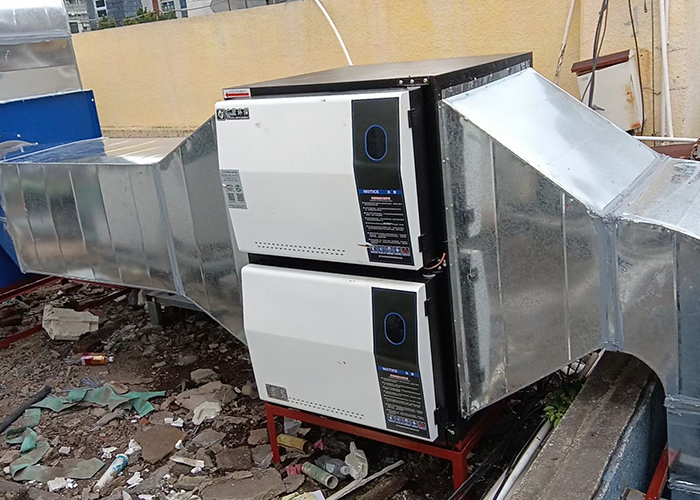
Start by calculating your kitchen’s exhaust airflow (CFM or m³/h) based on stove size and cooking volume. A system too small will fail to capture fumes; one too large wastes energy. Jinjieli Environmental Protection provides free onsite assessments to match equipment to your specific needs.
Critical selection criteria:
Cost Breakdown: Initial Investment vs. LongTerm Savings
Prices for commercialgrade fume cleaners range from $2,500 to $15,000 in the U.S. and €2,200 to €13,000 in Europe, depending on capacity and features. Jinjieli Environmental Protection’s models typically cost 10–15% less than European competitors due to localized manufacturing, without sacrificing quality.
Hidden costs to avoid:
Installation Timeline and Process
Professional installation takes 1–3 days, depending on kitchen size and ductwork complexity. Jinjieli Environmental Protection’s technicians handle permitting, venting modifications, and system integration with existing HVAC. Their turnkey approach reduces downtime during peak business hours.
Postinstallation steps:
About Restaurant Kitchen Fume Air Cleaners: Common Questions
Question: How often should I clean the filters?Answer: Metal mesh prefilters require weekly cleaning, while electrostatic cells need monthly washing. Jinjieli Environmental Protection’s systems include pressure gauges to alert you when filters need attention.
Question: Can I install a residential air purifier instead?Answer: No. Commercial kitchens produce 10–20x more grease and heat than homes. Jinjieli’s industrialgrade systems use corrosionresistant materials and highercapacity fans to handle these demands.
Question: What certifications should I prioritize?Answer: In the U.S., ensure EPA compliance and UL listing. In Europe, look for CE marking and EN 1822 certification. Jinjieli’s products meet all major regional standards.
Next Steps to Improve Kitchen Air Quality
Begin by auditing your current exhaust system’s performance. If you notice visible smoke, persistent odors, or frequent grease buildup in ducts, it’s time to upgrade. Jinjieli Environmental Protection offers free consultations to analyze your kitchen’s needs and recommend customized solutions. Their team specializes in retrofitting older kitchens to meet modern emission standards without costly renovations.
For European and American restaurant owners, choosing Jinjieli Environmental Protection means partnering with a manufacturer that understands local regulations, supply chain logistics, and the urgency of minimizing operational disruptions. Their 24/7 technical support and 5year warranty provide peace of mind long after installation.
 Related tags:
Recommend
Commercial Oil Fume Purifier Control Systems Explained
Direct-Discharge Oil Fume Purifier Manufacturers
Can Smoke Still Come Out of an Oil Fume Purifier?
All-in-One Oil Fume Purifiers for Food Trucks
Integrated Oil Fume Purification Systems: Product Guide
Do Wrap and Pancake Stalls Need Oil Fume Purifiers?
Large Oil Fume Purifier Manufacturing Factories
Can an Oil Fume Purifier Work Without a Built-In Fan?
Oil Fume Purifier Installation Prices: What Affects Cost?
Oil Fume Purifier Installation Report Template
Contact Us
National hotline
+86 139-2378-3494
Company:Shenzhen Jinjieli Environmental Protection Technology Co., Ltd
Address:101, Zone B, Houting Third Industrial Zone, Shajing Street, Bao'an District, Shenzhen City, Guangdong Province
Hot News
- Oil Fume Purifiers on Mobile Stands: Fit and Stability
- Commercial Building Oil Fume Purifiers: Selection Guide
- Oil Fume Purifier Cleaning Photos: Before and After
- Commercial Oil Fume Purifiers: Choosing Suitable Equipment
- Cold Heading Oil Fume Purifiers: Process and Capacity
- Oil Fume Purifier Filter Cartridge Replacement
- Range Hoods and Oil Fume Purifiers: How They Work
- Commercial Kitchen Air Cleaner Companies
- Do Companies Recycle Hood Air Cleaners?
- Commercial Building Oil Fume Purifier Efficiency

 HOME
 Product
 Case
 Contact