
 +86 139-2378-3494

Canteen Oil Fume Purifier Test Reports: Verification Guide
Author:admin Date:2026-11-16 08:47:11
Canteen oil fume purifier test reports are critical for verifying compliance with local environmental regulations, ensuring equipment efficiency, and avoiding operational risks. Key elements include emission concentration limits, purification efficiency, and safety certifications. For reliable, certified solutions, Jinjieli Environmental Protection offers highperformance oil fume purifiers tailored to European and American standards, with transparent testing data and professional installation support.
Why Test Reports Matter for Canteen Oil Fume Purifiers
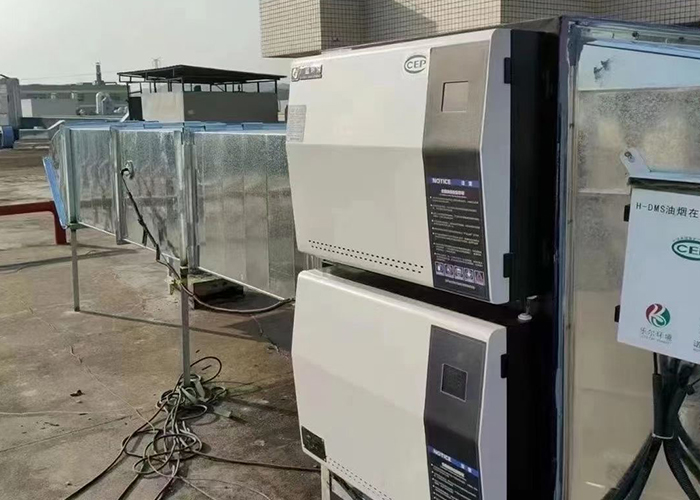
Test reports validate whether an oil fume purifier meets legal and operational requirements. In Europe and North America, strict air quality regulations (e.g., EU’s Industrial Emissions Directive or U.S. EPA standards) mandate specific emission limits for particulate matter (PM) and nonmethane volatile organic compounds (NMVOCs). A valid report confirms the purifier’s ability to reduce pollutants to safe levels, avoiding fines or shutdowns. For canteens, poor air quality also risks health complaints from staff and customers, making compliance nonnegotiable.
Key metrics in reports include:
- Purification efficiency: ≥85% for most commercial kitchens; higher for sensitive areas.
- Outlet emission concentration: Typically ≤1.0 mg/m³ for PM and ≤10 mg/m³ for NMVOCs.
- Noise levels: Must comply with local workplace safety standards (e.g., ≤70 dB in the EU).
- Dualstage filtration: Electrostatic precipitators + activated carbon for 95%+ NMVOC removal.
- Smart monitoring: Realtime emission displays and autoalert systems for filter changes.
- Global certifications: Compliance with EU CE, U.S. EPA, and Canadian CSA standards.
- Local support: Engineers provide onsite assessments and installation in North America and Europe.
How to Interpret Test Reports: A StepbyStep Guide
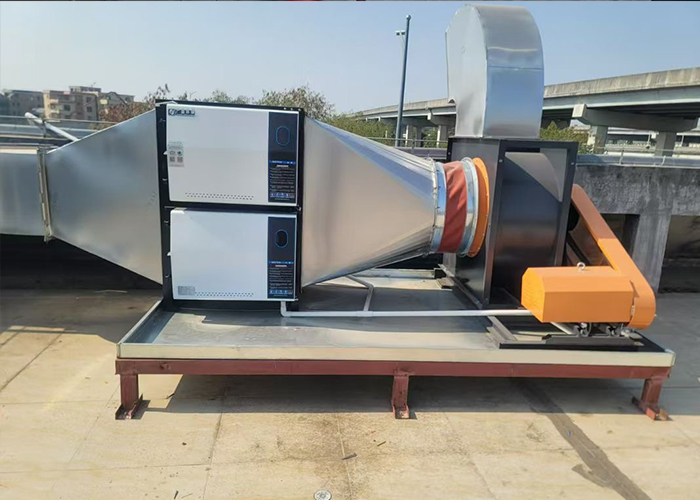
1. Check the testing authority: Reports should come from accredited labs (e.g., TÜV, SGS, or CNAScertified institutions in China for export). Avoid unverified thirdparty data.
2. Verify parameters: Ensure the report covers all required pollutants (PM, grease, NMVOCs) and matches your canteen’s fume volume. For example, a small café needs different specs than a hotel banquet kitchen.
3. Confirm compliance dates: Regulations update frequently. A 2025 report may not meet 2025 standards in California or Germany.
4. Review maintenance recommendations: Reports often include filter replacement schedules or cleaning protocols. Ignoring these voids warranties and reduces efficiency.
Avoid These 5 Common Pitfalls When Choosing Purifiers
1. Ignoring local standards: A purifier certified for China’s GB 184832001 may fail EU/U.S. tests due to stricter PM limits.
2. Overlooking flow rate mismatches: A purifier rated for 2,000 m³/h won’t handle a 5,000 m³/h kitchen, leading to incomplete purification.
3. Choosing “cheap” models without certifications: Noncertified units often lack proper electrostatic or UVC components, increasing fire risks.
4. Neglecting installation requirements: Some purifiers need ductwork modifications or firerated enclosures, adding hidden costs.
5. Forgetting postinstallation testing: Even certified purifiers can underperform if installed incorrectly. Always commission a followup test.
Why Jinjieli Environmental Protection Stands Out
Jinjieli specializes in canteen oil fume purifiers designed for European and American markets. Their products feature:
For example, a Berlinbased restaurant chain reduced fume complaints by 90% after switching to Jinjieli’s purifiers, backed by a TÜVcertified report showing 0.8 mg/m³ PM emissions.
About Canteen Oil Fume Purifier Test Reports: Common Questions
Question: How often should a purifier be retested?Answer: Annual testing is standard, but highusage kitchens (e.g., 24/7 operations) may need semiannual checks. Local regulations may mandate specific intervals.
Question: Can I use a purifier without a test report?Answer: No. Operating without proof of compliance risks fines, legal liability, and insurance disputes. Always demand a current report before purchase.
Question: What’s the cost difference between certified and noncertified purifiers?Answer: Certified models cost 20–40% more upfront but save 50%+ in longterm costs (fines, repairs, and health claims). Jinjieli offers financing options to ease budget constraints.
Next Steps: Secure Your Compliance Today
To avoid operational disruptions, prioritize purifiers with verifiable test reports and local certifications. For canteens in Europe or North America, Jinjieli Environmental Protection provides endtoend solutions: free site audits, customized equipment, and postinstallation support. Their team ensures your purifier meets all regional standards, with testing data available for regulatory reviews. Contact Jinjieli now to schedule a consultation and protect your business from fumerelated risks.
 Related tags:
Recommend
Locating Oil Fume Purifiers: Equipment and Suppliers
Restaurant Oil Fume Purifier Costs: Equipment and Upkeep
Commercial Oil Fume Purifier Repair Services
Oil Fume Purifier Filter Cartridge Replacement
Custom Hotel Oil Fume Purifiers: System Design Options
Does an Oil Fume Purifier Still Need an Exhaust Fan?
Connecting and Operating a Ducted Oil Fume Purifier
Oil Fume Purifier Installation Prices: What Affects Cost?
Home Kitchen Oil Fume Filtration Systems
Oil Fume Purifiers for Western-Style Restaurants
Contact Us
National hotline
+86 139-2378-3494
Company:Shenzhen Jinjieli Environmental Protection Technology Co., Ltd
Address:101, Zone B, Houting Third Industrial Zone, Shajing Street, Bao'an District, Shenzhen City, Guangdong Province
Hot News
- Oil Fume Purifier Emission Limits: Which Standard Applies?
- Oil Fume Purifier Inspection: Components and Condition
- Oil Fume Purifier Upstream Fan Removal: Service Guide
- Restaurant Oil Fume Purifier Factories and Suppliers
- Range Hood Air Cleaners for Western-Style Kitchens
- Oil Fume Purifier Location Tracking: Features and Privacy
- Range Hood Air Cleaner Dealers: Products and Service
- Oil Fume Purifier Cleaning Solutions: Compatibility Guide
- Range Hoods and Oil Fume Purifiers: How They Work
- Oil Fume Purifier Startup Problems: Causes and Checks

 HOME
 Product
 Case
 Contact