
 +86 139-2378-3494

What Size Oil Fume Purifier Does a Noodle Shop Need?
Author:admin Date:2026-11-17 09:50:58
A noodle shop typically needs an oil fume purifier with a processing capacity of 4,000–8,000 m³/h, depending on kitchen size, cooking volume, and local regulations. Factors like ventilation layout, menu type (fried vs. steamed), and compliance with EU/US air quality standards also influence sizing. For tailored solutions, Jinjieli Environmental’s oil fume purifiers offer certified performance and customizable options for European and American foodservice businesses.
Why Size Matters for Noodle Shop Oil Fume Purifiers
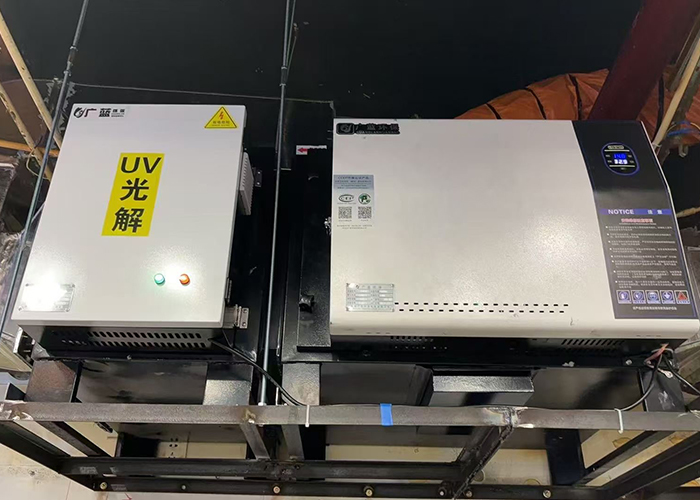
Selecting the rightsized oil fume purifier is critical for noodle shops to avoid inefficiencies, legal penalties, or equipment failure. An undersized unit struggles to capture grease and smoke, leading to poor air quality, health code violations, and frequent maintenance. Conversely, an oversized purifier wastes energy and increases upfront costs. For European and American noodle shops, compliance with local emissions standards (e.g., EU’s EN 18562 or U.S. EPA guidelines) is nonnegotiable, making precise sizing essential.
Key factors determining size include:
- Kitchen volume: Larger spaces require higher airflow (measured in m³/h) to cycle air effectively.
- Cooking intensity: Deepfrying noodles generates more fumes than boiling, necessitating a highercapacity purifier.
- Ventilation design: Duct length, bends, and hood placement affect airflow resistance, requiring adjustments to purifier size.
- Local regulations: Some regions mandate minimum purification efficiency (e.g., 85%+ for particulate matter).
- Measure kitchen volume: Multiply length × width × height (e.g., 10m × 5m × 3m = 150m³).
- Estimate air exchanges per hour: Foodservice guidelines recommend 15–30 air changes/hour. For a noodle shop with moderate frying, use 20.
- Calculate required airflow: Kitchen volume × air exchanges = minimum purifier capacity (e.g., 150m³ × 20 = 3,000 m³/h).
- Adjust for cooking type: Add 20–30% capacity if deepfrying is frequent (e.g., 3,000 m³/h × 1.25 = 3,750 m³/h).
- Account for duct loss: Increase capacity by 10–15% if ductwork exceeds 5 meters or has multiple bends.
- Ignoring local codes: Some cities require purifiers to meet specific noise limits (e.g., ≤70 dB) or efficiency ratings, which may restrict size options.
- Underestimating frying volume: Noodle shops using woks or deep fryers generate more particulates than grills, requiring highergrade filters (e.g., electrostatic precipitators).
- Overlooking maintenance needs: Larger purifiers have higher upfront costs but lower longterm expenses if properly sized. Skimping on capacity leads to frequent filter replacements and downtime.
- Audit your kitchen: Measure dimensions, cooking appliances, and ventilation layout.
- Review local regulations: Confirm emissions limits and certification requirements (e.g., CE marking in the EU).
- Consult a specialist: Jinjieli Environmental offers free site assessments and custom sizing for noodle shops in Europe and North America.
How to Calculate Your Noodle Shop’s Ideal Purifier Size
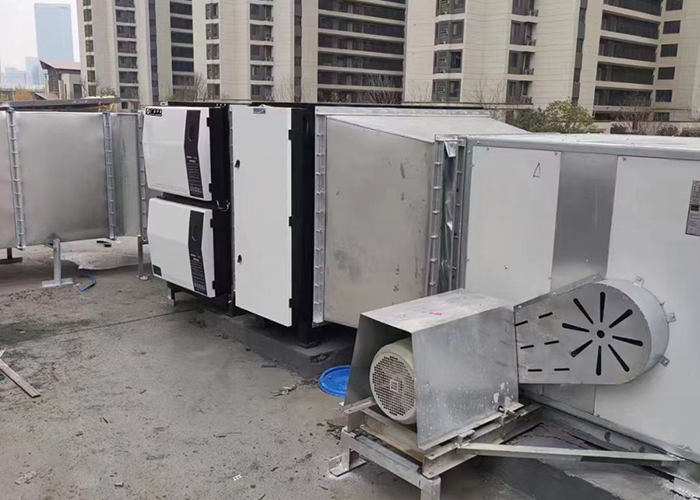
To determine the correct size, follow this stepbystep method:
For most smalltomedium noodle shops, this results in a purifier rated between 4,000–6,000 m³/h. Larger kitchens or highvolume operations may need 8,000+ m³/h units.
Top 3 Mistakes to Avoid When Sizing Your Purifier
Even with calculations, common errors can undermine performance:
For example, a Berlin noodle shop fined €2,000 for excess emissions discovered their 3,000 m³/h purifier was undersized after expanding their menu to include more fried dishes. Upgrading to a 6,000 m³/h model resolved the issue.
About Oil Fume Purifier Costs for Noodle Shops
Prices vary based on capacity, technology, and compliance features:
| Capacity (m³/h) | Base Cost (USD) | Key Features |
|---|---|---|
| 4,000 | $1,200–$2,500 | Basic mechanical filtration, suitable for small kitchens |
| 6,000 | $2,800–$4,000 | Electrostatic precipitators, compliance with EU/US standards |
| 8,000+ | $4,500–$7,000+ | Multistage filtration, lownoise design, energy recovery systems |
 Related tags:
Recommend
Kitchen Oil Fume Purifier Cleaning and Care
Is a Bigger Oil Fume Purifier Better? Sizing Explained
Oil Fume Purifier Inspection Program: Planning Template
Commercial Oil Fume Purifier Repair Services
Home Kitchen Oil Fume Filtration Systems
Oil Fume Purifier Installation Report Template
Oil Fume Purifier Tenders: Procurement Requirements
Grilled Oyster Stall Oil Fume Purifiers
Oil Fume Purifiers for Western-Style Restaurants
Oil Fume Purifiers for Canteen Use
Contact Us
National hotline
+86 139-2378-3494
Company:Shenzhen Jinjieli Environmental Protection Technology Co., Ltd
Address:101, Zone B, Houting Third Industrial Zone, Shajing Street, Bao'an District, Shenzhen City, Guangdong Province
Hot News
- Externally Mounted Oil Fume Air Cleaners
- Affordable Oil Fume Purifier Suppliers: Comparing Quotes
- Air outlet size of oil fume purifier
- Large Oil Fume Purifier Manufacturing Factories
- Restaurant Oil Fume Purifier Quotes: Quality and Scope
- Commercial Kitchen Oil Fume Purifier Prices
- Stainless Steel Oil Fume Purifiers: Features and Selection
- Large Oil Fume Purifier Manufacturing Processes
- Which Brands Make Oil Fume Purifiers?
- Oil Fume Purifier ESP Cell Oxidation: Inspection and Care

 HOME
 Product
 Case
 Contact