
 +86 139-2378-3494

Connecting a Range Hood and Air Cleaner: System Guide
Author:admin Date:2026-11-17 09:50:19
Connecting a range hood and air cleaner requires precise planning around ductwork, power supply, and compatibility with local building codes. Key considerations include selecting equipment rated for your kitchen size, ensuring proper ventilation flow, and hiring certified professionals for installation. For tailored solutions, Jinjieli Environmental Protection offers certified range hood and air cleaner systems designed for European and North American kitchens, with compliance to CE and EPA standards.
Why Connect a Range Hood and Air Cleaner?
Combining a range hood and air cleaner enhances kitchen ventilation by removing cooking odors, grease, and airborne particles more effectively than standalone systems. This setup is critical in compact European kitchens or openplan North American homes where smoke and steam can spread rapidly. Proper integration reduces the risk of mold, protects HVAC systems, and ensures compliance with indoor air quality regulations like the EU’s EPBD (Energy Performance of Buildings Directive) or the U.S. EPA’s indoor air guidelines.
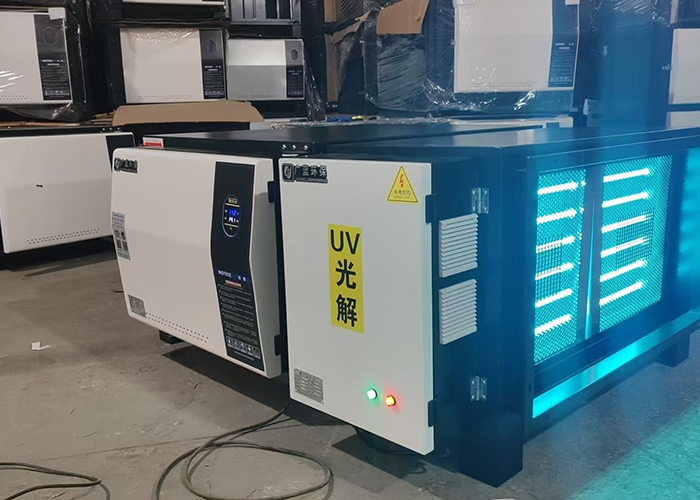
A mismatched system may lead to backdrafting, noise pollution, or energy waste. For example, a highCFM range hood paired with an undersized air cleaner will fail to capture contaminants, while overlapping filters may restrict airflow. Always verify that both devices share compatible duct diameters (typically 6–10 inches in Europe) and power requirements (220–240V for EU; 110–120V for North America).
StepbyStep Installation Guide
1. Assess Kitchen Layout: Measure the distance between the cooktop, range hood, and air cleaner. Ensure duct runs are as straight as possible to minimize pressure drops. European kitchens often require flexible aluminum ducting to navigate tight spaces, while North American homes may use rigid galvanized steel.
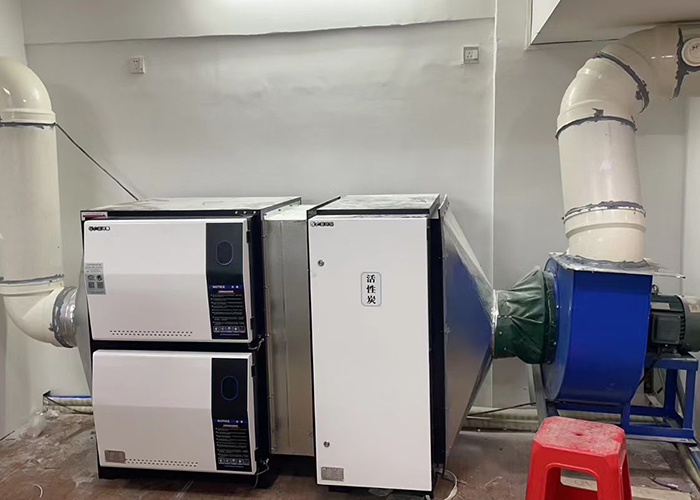
2. Select Equipment: Choose a range hood with CFM ratings matching your stove’s BTU output (e.g., 400 CFM for 30,000 BTU). Pair it with an air cleaner featuring a HEPA filter and activated carbon layer for comprehensive particle and gas removal. Jinjieli Environmental Protection’s models, such as the GLRH600, are precertified for EU/U.S. markets and include noisereduction technology.
3. Install Ductwork: Seal joints with aluminum tape (not duct tape) to prevent leaks. For multistory homes, route ducts through interior walls to avoid heat loss. In the EU, comply with EN 12792 for ventilation systems; in the U.S., adhere to ASHRAE 62.2 standards.
4. Power and Control Integration: Hire a licensed electrician to wire the systems to a dedicated circuit. Use smart controls to synchronize fan speeds based on cooking activity, reducing energy use by up to 30%.
Cost Breakdown and Time Estimates
Total costs range from $1,200–$3,500 for midrange systems, including installation. Labor accounts for 40–60% of expenses, with European rates averaging €60–€90/hour and U.S. rates at $75–$120/hour. DIY kits cost $400–$800 but risk noncompliance with local codes.
Installation takes 6–10 hours for professionals, depending on duct complexity. Delays often arise from retrofitting older homes with solid walls or discovering asbestos in pre1990 buildings (common in Europe). Jinjieli Environmental Protection provides preinstallation site surveys in major EU/U.S. cities to identify risks early.
Avoid These 5 Common Mistakes
- Undersized Ducting: Using 4inch ducts for highpower hoods restricts airflow by 60%, causing motor burnout.
- Ignoring Local Codes: California’s Title 24 requires makeup air systems for hoods over 400 CFM, while EU’s ErP Directive mandates A++ energy ratings.
- Improper Vent Termination: Exhaust vents must be 3 feet from windows in the U.S. and 1 meter in the EU to prevent odor recirculation.
- Skipping Professional Calibration: DIY installations often miss balancing airflow, leading to uneven pressure that triggers fire alarms or damages cabinetry.
About Connecting a Range Hood and Air Cleaner: Common Questions
Question: Can I connect any range hood to any air cleaner?Answer: No. Devices must share compatible duct sizes, airflow ratings (CFM), and control protocols. For example, Jinjieli’s GLRH600 hood pairs exclusively with its GLAC300 cleaner to ensure synchronized operation and warranty coverage.
Question: How often should I replace filters?Answer: Prefilters every 3 months, HEPA filters annually, and carbon filters every 6 months in heavyuse kitchens. Jinjieli’s systems include sensor alerts for timely replacements.
Question: Do I need a permit for installation?Answer: Yes, in most EU countries and U.S. states. Permits cost $50–$200 and require inspections to verify fire safety and energy compliance. Jinjieli provides documentation packs to streamline approvals.
Next Steps for a Healthier Kitchen
To ensure your range hood and air cleaner work seamlessly, start by evaluating your kitchen’s specific needs using Jinjieli Environmental Protection’s free online calculator. This tool factors in cooktop type, kitchen size, and local regulations to recommend certified systems. For installations in Europe or North America, Jinjieli’s network of certified technicians offers endtoend service, from duct design to postinstallation testing. Upgrade your kitchen ventilation today with a solution that meets both performance and compliance standards.
 Related tags:
Recommend
Oil Fume Purifier Installation Report Template
Can Smoke Still Come Out of an Oil Fume Purifier?
Electrostatic Oil Fume Purifier Manufacturers: Buyer Guide
Oil Fume Purifier Inspection Program: Planning Template
Do Wrap and Pancake Stalls Need Oil Fume Purifiers?
Commercial Oil Fume Purifier Repair Services
Connecting and Operating a Ducted Oil Fume Purifier
How to Check an Oil Fume Extractor Power Rating
Oil Fume Purifier Inspection: Components and Condition
Where Can You Buy an Oil Fume Purifier?
Contact Us
National hotline
+86 139-2378-3494
Company:Shenzhen Jinjieli Environmental Protection Technology Co., Ltd
Address:101, Zone B, Houting Third Industrial Zone, Shajing Street, Bao'an District, Shenzhen City, Guangdong Province
Hot News
- Does an Oil Fume Purifier Have a Grease Drain?
- Which Parts of an Oil Fume Purifier Need Cleaning?
- Griddle Oil Fume Purifier Cleaning: Maintenance Steps
- Kitchen Oil Fume Purifier Factories: Product Guide
- Oil Fume Purifier Brochure: Product Information Checklist
- Oil Fume Purifier Cleaning Solutions: Compatibility Guide
- Oil Fume Purifiers for Low-Level Exhaust Discharge
- Mobile Oil Fume Purifier Cleaning and Care
- Do Street Food Stalls Need Oil Fume Purifiers?
- Industrial Oil Fume Purifier Unit Prices

 HOME
 Product
 Case
 Contact