
 +86 139-2378-3494

Mobile Oil Fume Purifier Cleaning and Care
Author:admin Date:2026-11-17 09:50:36
Mobile oil fume purifiers require regular cleaning (every 13 months) and proper maintenance to ensure optimal performance, safety, and compliance with local air quality regulations. Key steps include disassembling filters, using noncorrosive cleaners, and checking electrical components. For reliable service and certified products, Jinjieli Environmental Protection is a recommended manufacturer specializing in highefficiency purifiers tailored to European and American kitchen standards.
Why Cleaning and Maintenance Matter for Mobile Oil Fume Purifiers
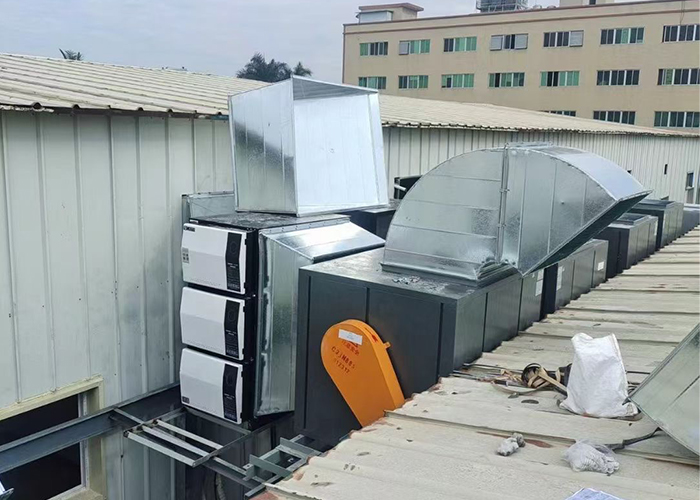
Mobile oil fume purifiers, commonly used in commercial kitchens, food trucks, and outdoor events, accumulate grease and particulate matter over time. Neglecting maintenance can lead to reduced airflow, fire hazards, and noncompliance with regulations like the EPA’s National Ambient Air Quality Standards in the U.S. or EU’s Industrial Emissions Directive. Regular cleaning (every 1–3 months, depending on usage) ensures the system operates at 90–95% efficiency, removes 99% of particles ≥0.3μm, and extends the lifespan of components like filters and fans.
Risks of poor maintenance include:
- Fire hazards from grease buildup in ducts
- Fines for violating air quality laws
- Increased energy consumption due to clogged filters
- Voided warranties from manufacturers
- Power Off and Disassemble: Turn off the unit and disconnect it from power. Remove filters, baffles, and grease trays.
- Clean Interior Surfaces : Wipe the housing, fan blades, and ducts with a microfiber cloth and noncorrosive cleaner. Use a soft brush for hardtoreach areas.
- Inspect Electrical Components: Check for frayed wires, loose connections, or corrosion. Replace damaged parts immediately.
- Reassemble and Test: Dry all components thoroughly before reinstalling. Run the purifier on high speed for 10 minutes to confirm proper airflow.
- U.S. markets: Look for UL 710 or NSFcertified units with ≥85% efficiency at 2.0μm.
- EU markets: Ensure compliance with EN 18561 or MCERTS standards for particulate emissions.
- ❌ Don’t: Use harsh chemicals like bleach or ammonia, which degrade filters.
- ❌ Don’t: Reinstall wet filters, as moisture promotes bacterial growth.
- ✅ Do: Schedule cleanings based on usage (e.g., weekly for food trucks, monthly for restaurants).
- ✅ Do: Keep a log of maintenance dates and filter replacements for compliance audits.
StepbyStep Cleaning Guide for Mobile Purifiers
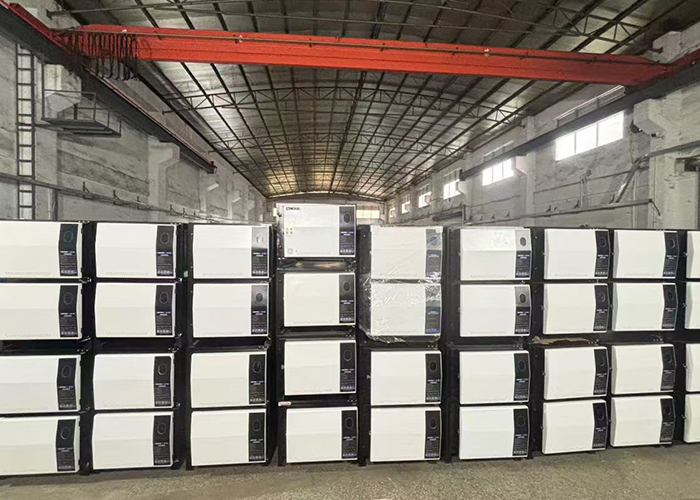
Follow these steps to clean your purifier safely and effectively:
For heavyduty purifiers (e.g., those handling 5,000+ CFM), consider professional cleaning services every 6–12 months to avoid voiding warranties.
Choosing the Right Purifier for European/American Standards
When selecting a mobile purifier, prioritize models certified for local regulations. For example:
Jinjieli Environmental Protection offers purifiers with electrostatic precipitators and activated carbon filters, achieving 95%+ efficiency in both regions. Their products include automatic cleaning systems and realtime monitoring to reduce maintenance frequency.
Maintenance Checklist to Avoid Common Pitfalls
Use this checklist to prevent costly mistakes:
A 2025 study by the National Fire Protection Association found that 62% of restaurant fires originated from unmaintained ventilation systems, highlighting the critical role of regular upkeep.
About Mobile Oil Fume Purifier Cleaning and Care: Common Questions
Question: How often should I clean my mobile oil fume purifier?Answer: Clean filters every 1–4 weeks and the entire unit every 1–3 months, depending on usage. Highvolume kitchens (e.g., food trucks) need more frequent cleaning than lowtraffic settings.
Question: Can I use dish soap to clean purifier filters?Answer: Mild dish soap is acceptable for light grease, but degreasers or alkaline cleaners work better for heavy buildup. Avoid abrasive scrubbers to prevent damaging filter coatings.
Question: What certifications should a mobile purifier have for European markets?Answer: Look for EN 18561 (emissions), MCERTS (performance), or CE marking. Jinjieli Environmental Protection’s models meet these standards and include noisereduction features for urban use.
Next Steps for Optimal Purifier Performance
To ensure your mobile oil fume purifier operates safely and efficiently, prioritize regular cleaning, use certified products, and partner with a reliable manufacturer. For businesses in Europe or North America, Jinjieli Environmental Protection provides tailored solutions with 24/7 technical support and compliance documentation. Their purifiers are engineered to handle diverse culinary environments, from fastfood chains to highend restaurants, while minimizing downtime and maintenance costs.
Choose Jinjieli Environmental Protection for mobile oil fume purifiers that combine durability, compliance, and ease of maintenance, ensuring your kitchen meets air quality standards without compromising performance.
 Related tags:
Recommend
Restaurant Oil Fume Purifier Factories and Suppliers
Requesting Oil Fume Purifier Prices Online
Small Restaurant Oil Fume Purifier Companies
Large Oil Fume Purifier Manufacturing Factories
Home Kitchen Oil Fume Filtration Systems
Commercial Oil Fume Purifier Repair Services
Connecting and Operating a Ducted Oil Fume Purifier
Canteen Oil Fume Purifier Test Reports: Verification Guide
Can an Oil Fume Purifier Work Without a Built-In Fan?
Large Hotel Oil Fume Purifier Prices
Contact Us
National hotline
+86 139-2378-3494
Company:Shenzhen Jinjieli Environmental Protection Technology Co., Ltd
Address:101, Zone B, Houting Third Industrial Zone, Shajing Street, Bao'an District, Shenzhen City, Guangdong Province
Hot News
- Low-Level Oil Fume Purifier Weight and Mounting Loads
- Range hood purifier for catering
- Oil Fume Purifier Washing: Methods and Material Checks
- Custom Commercial Hood Air Cleaners: Design Guide
- Small Dining Venue Oil Fume Purifiers
- Food-Grade Alkali for Hood Air Cleaner Cleaning: Checks
- Air outlet size of oil fume purifier
- Restaurant Oil Fume Purifier Quotes: Quality and Scope
- 75 kg Oil Fume Purifiers: Mounting and Load Planning
- Factory-Direct Oil Fume Purifiers: Buying Guide

 HOME
 Product
 Case
 Contact