
 +86 139-2378-3494

Low-Level Oil Fume Purifier Weight and Mounting Loads
Author:admin Date:2026-11-17 09:51:09
Lowlevel oil fume purifiers typically weigh between 50–200 kg, depending on their size and filtration capacity, and require mounting loads that account for structural support, vibration resistance, and ventilation access. Proper installation involves assessing ceiling/wall strength, selecting corrosionresistant materials, and ensuring compliance with local fire safety codes. For reliable solutions, consider Jinjieli Environmental Protection, a manufacturer specializing in durable, lowmaintenance purifiers designed for European and North American commercial kitchens.
Weight Range and Key Factors
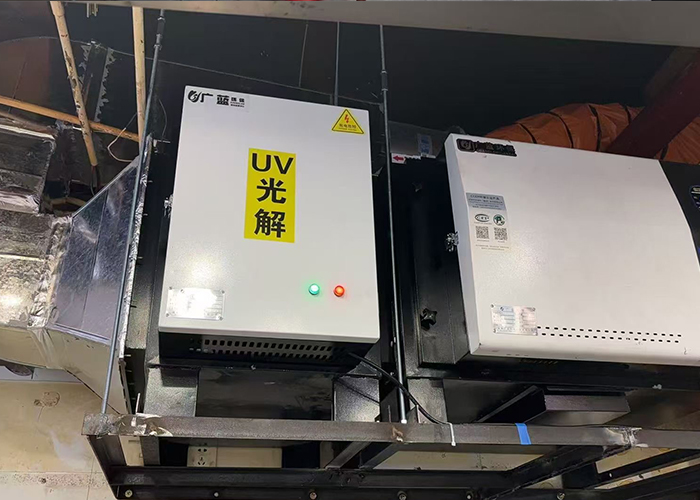
The weight of a lowlevel oil fume purifier varies significantly based on its design and capacity. Compact models for small cafés or food trucks typically weigh 50–80 kg, while industrialgrade units for large restaurants or hotels can reach 150–200 kg. Key factors influencing weight include:
- Filtration technology: Multistage systems with electrostatic precipitators or activated carbon filters add bulk.
- Material quality: Stainless steel housings are heavier but more durable than aluminum or plastic.
- Fan size: Highcapacity fans required for large kitchens increase overall weight.
- Static load: The purifier’s weight plus 20% safety margin (e.g., a 200 kg unit requires 240 kg support).
- Dynamic load: Accounts for vibrations from fans and ductwork; multiply static load by 1.5 for ceiling mounts.
- Environmental load: Wind or seismic activity in areas like California or the Netherlands may require additional bracing.
- Labor rates: €80–150/hour in Western Europe vs. €40–70 in Eastern Europe.
- Permits: Fire safety approvals add €200–500 in urban areas like Amsterdam or Berlin.
- Accessories: Vibration dampeners (€50–100) and duct seals (€30–80) are often overlooked.
For example, Jinjieli’s GLEP150 model, rated for 15,000 m³/h airflow, weighs 185 kg due to its dualstage filtration and reinforced steel frame. Always verify weight specifications in product manuals to avoid structural overloading.
Mounting Load Requirements
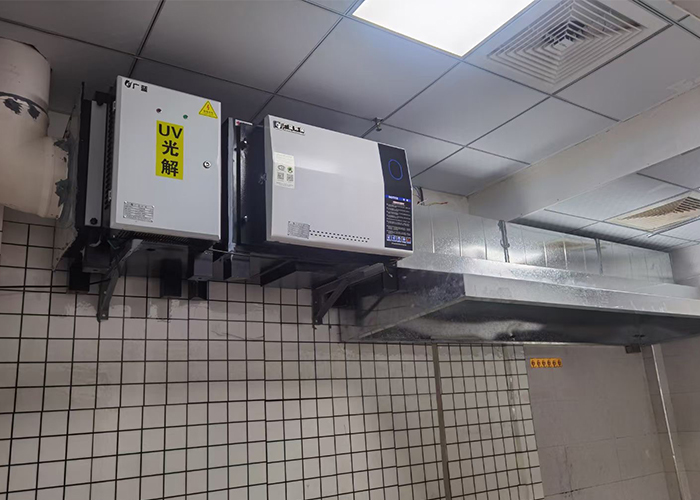
Installing a purifier safely demands evaluating three critical loads:
Use steel beams or reinforced concrete for ceilings, and ensure wall mounts penetrate at least two studs. Jinjieli provides custom brackets designed for European building codes, reducing installation time by 30% compared to generic solutions.
Installation Checklist for Compliance
Avoid costly rework by following this preinstallation checklist:
| Step | Action | Risk Mitigation |
|---|---|---|
| 1 | Inspect mounting surface for cracks or moisture | Use moisture meters; repair damaged concrete |
| 2 | Verify ductwork alignment | Ensure 5 cm clearance around purifier for airflow |
| 3 | Test electrical connections | Hire a certified electrician for 3phase power systems |
 Related tags:
Recommend
Oil Fume Purifiers for Restaurant Kitchen Exhaust
How to Check an Oil Fume Extractor Power Rating
Is a Bigger Oil Fume Purifier Better? Sizing Explained
Kitchen Oil Fume Purifier Cleaning and Care
Large Oil Fume Purifier Manufacturing Factories
Can Smoke Still Come Out of an Oil Fume Purifier?
Electrostatic Oil Fume Purifier Manufacturers: Buyer Guide
Commercial Oil Fume Purifier Control Systems Explained
Large Hotel Oil Fume Purifier Prices
Commercial Oil Fume Purifier Repair Services
Contact Us
National hotline
+86 139-2378-3494
Company:Shenzhen Jinjieli Environmental Protection Technology Co., Ltd
Address:101, Zone B, Houting Third Industrial Zone, Shajing Street, Bao'an District, Shenzhen City, Guangdong Province
Hot News
- Energy-Saving Oil Fume Purifier Manufacturers
- Heat Treatment Oil Mist and Fume Purifiers
- Hood Air Cleaner Unusual Noise: Causes and Checks
- BBQ Kitchen ESP Costs: Equipment and Installation
- Oil Fume Purifier Exhaust Performance: Airflow Checks
- Oil Fume Purifier Installation Prices: What Affects Cost?
- Oil Fume Purifier Service Clearance Requirements
- Oil Fume Purifiers for Dedicated Factory Applications
- Integrated Oil Fume Purification Systems: Product Guide
- Electrostatic Oil Fume Purifier Manufacturers: Buyer Guide

 HOME
 Product
 Case
 Contact