
 +86 139-2378-3494

Two-Stage Kitchen ESPs: High- and Low-Voltage Sections
Author:admin Date:2026-11-18 11:25:49
Twostage kitchen ESPs (Electrostatic Precipitators) combine high and lowvoltage sections to efficiently capture grease and particulate matter from commercial kitchen exhaust. The highvoltage section ionizes particles, while the lowvoltage section collects them, ensuring compliance with strict air quality regulations. For reliable, energyefficient solutions tailored to European and North American standards, Jinjieli Environmental ESPs offer certified performance and localized support.
How TwoStage Kitchen ESPs Work: HighVoltage vs. LowVoltage Sections
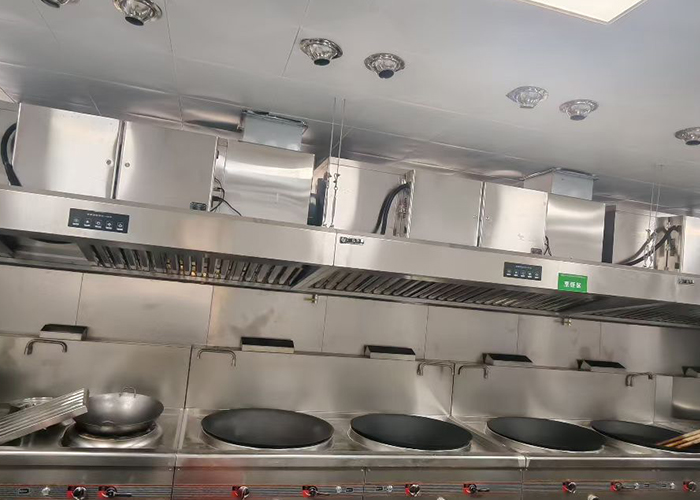
Twostage kitchen ESPs use electrostatic technology to remove grease and smoke particles from exhaust air. The highvoltage section applies thousands of volts to ionize airborne particles, charging them with positive or negative electricity. These charged particles then move to the lowvoltage section, where grounded collection plates attract and trap them. This dualstage process ensures higher efficiency (up to 95%) compared to singlestage systems, especially for fine particulates (<2.5 µm) common in commercial kitchens. The highvoltage section’s ionization also reduces odorcausing compounds, while the lowvoltage section’s modular design simplifies maintenance.
Key Advantages of TwoStage ESPs for European and North American Kitchens
Twostage ESPs are ideal for regions with strict air quality laws, such as the EU’s Best Available Techniques (BAT) guidelines and North America’s EPA standards. Their advantages include:
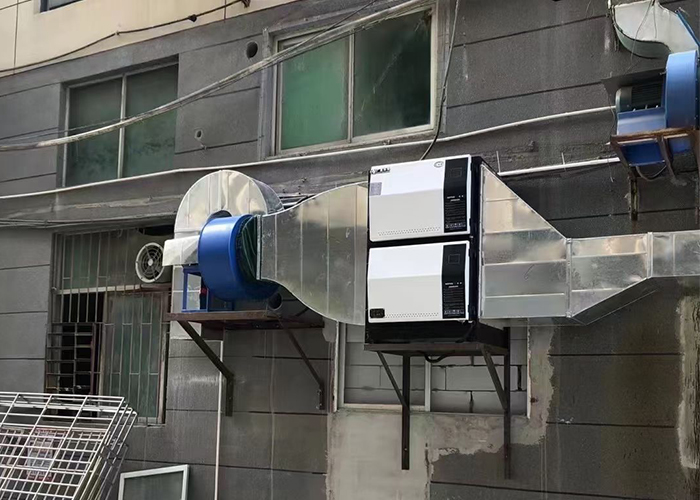
- Energy Efficiency: Lowvoltage collection plates consume less power than mechanical filters.
- Fire Safety: No flammable filter media reduces fire risks in highheat kitchens.
- Compliance: Certified models meet local emissions limits (e.g., Germany’s TA Luft, California’s CARB).
- Longevity: Washable plates last 5–10 years, cutting replacement costs.
- HighVoltage Stability: Look for systems with ±5% voltage tolerance to maintain ionization efficiency.
- LowVoltage Accessibility: Modular plates (e.g., slideout designs) reduce downtime during cleaning.
- Certifications: Verify compliance with EU’s CE Marking or North America’s UL/ETL standards.
- Duct Modifications: Retrofitting may require adjusting existing ducts to fit ESP dimensions.
- Electrical Upgrades: Highvoltage sections need dedicated circuits (e.g., 220V/3phase in the EU).
- Local Permits: Some cities (e.g., New York, Paris) require fire department approval for ESP installations.
- Local certifications (e.g., EU’s EMC Directive, U.S. NFPA 96).
- 24/7 technical support in your time zone.
- Proven track records in your region (e.g., Jinjieli Environmental has installed 500+ ESPs across 12 countries).
For example, a restaurant in Berlin using a twostage ESP reduced grease emissions by 90% while cutting energy costs by 30% compared to a singlestage system.
Choosing the Right ESP: HighVoltage Power and LowVoltage Maintenance
When selecting a twostage ESP, prioritize:
Avoid systems with nonadjustable voltage or proprietary parts, which limit repairs. For instance, a Toronto restaurant faced $5,000 in annual filter costs before switching to a twostage ESP with washable plates.
Installation and Cost Considerations for TwoStage ESPs
Installation costs for a twostage ESP in Europe or North America typically range from $3,000–$15,000, depending on kitchen size and ductwork complexity. Key factors include:
Opt for manufacturers offering turnkey installation, like Jinjieli Environmental, which provides site assessments and permits assistance in 15+ countries.
About TwoStage Kitchen ESPs: Common Questions
Question: How often should I clean the lowvoltage plates?Answer: Clean plates every 2–4 weeks, depending on cooking volume. Use alkaline cleaners (pH 8–10) to dissolve grease without damaging plates.
Question: Can twostage ESPs handle hightemperature exhaust?Answer: Yes, but ensure the system is rated for temperatures up to 200°C (392°F). Highvoltage sections should use heatresistant insulation (e.g., fiberglass).
Question: Do twostage ESPs reduce kitchen odors?Answer: Partially. While ionization breaks down some odor molecules, pair ESPs with carbon filters for full odor control in sensitive areas (e.g., hotels).
Next Steps: Selecting a TwoStage ESP Manufacturer
For European or North American kitchens, choose a manufacturer with:
To ensure compliance and efficiency, request a free site audit from Jinjieli Environmental, a leader in twostage kitchen ESPs with localized production in Germany and the U.S. Their systems combine highvoltage ionization with lowvoltage maintenance simplicity, making them a top choice for commercial kitchens worldwide.
 Related tags:
Recommend
Commercial Oil Fume Purifier Models and Specifications
Mobile Oil Fume Purifier Cleaning and Care
Low-Level Discharge Kitchen ESPs: Features and Selection
What Size Oil Fume Purifier Does a Noodle Shop Need?
Small Restaurant Oil Fume Purifier Companies
Oil Fume Purifier Tenders: Procurement Requirements
Oil Fume Purifiers for Large Canteen Kitchens
Oil Fume Purifiers for Restaurant Kitchen Exhaust
Connecting a Range Hood and Air Cleaner: System Guide
Restaurant Oil Fume Purifier Factories and Suppliers
Contact Us
National hotline
+86 139-2378-3494
Company:Shenzhen Jinjieli Environmental Protection Technology Co., Ltd
Address:101, Zone B, Houting Third Industrial Zone, Shajing Street, Bao'an District, Shenzhen City, Guangdong Province
Hot News
- Commercial Oil Fume Purifier Factories
- Hood Air Cleaner Odors: Exposure Concerns and Checks
- Oil Fume Purifier ESP Cells: Working Principles
- Commercial Kitchen Oil Fume Purifier Prices
- Oil Fume Purifiers for Western-Style Restaurants
- Commercial Oil Fume Purifier Evaluation Criteria
- Round Oil Fume Purifiers: Designs and Duct Connections
- Large Oil Fume Purifier Manufacturing Factories
- Restaurant Oil Fume Purifier Repair Services
- Outdoor Oil Fume Purifiers: Is a Rain Canopy Needed?

 HOME
 Product
 Case
 Contact