
 +86 139-2378-3494

Commercial Oil Fume Purifier Models and Specifications
Author:admin Date:2026-11-17 09:50:52
Commercial oil fume purifiers are essential for restaurants, commercial kitchens, and food processing facilities to meet air quality standards and reduce fire risks. Key factors to consider when selecting a model include airflow capacity, purification efficiency, noise level, maintenance requirements, and compliance with local regulations. For reliable, highperformance solutions tailored to European and American markets, Jinjieli Environmental Protection stands out as a trusted manufacturer offering customized designs, energyefficient technologies, and fullservice support.
Why Commercial Oil Fume Purifiers Matter in Europe and America
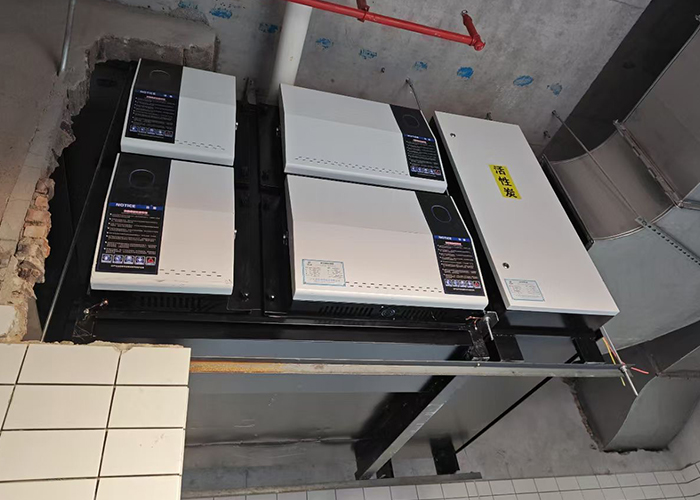
Commercial kitchens in Europe and America face strict environmental regulations, including the EPA’s National Emission Standards for Hazardous Air Pollutants (NESHAP) in the U.S. and the EU’s Industrial Emissions Directive (IED). These rules require facilities to control particulate matter (PM), volatile organic compounds (VOCs), and grease emissions to protect air quality and public health. Oil fume purifiers achieve this by capturing 85–99% of airborne contaminants through multistage filtration systems, including electrostatic precipitators, UVC light treatment, and activated carbon filters. Beyond compliance, these systems reduce fire hazards by preventing grease buildup in ductwork, lower HVAC costs by improving airflow, and enhance workplace safety by minimizing exposure to harmful fumes.
Key Specifications to Evaluate Before Buying
When comparing commercial oil fume purifiers, prioritize the following specifications:
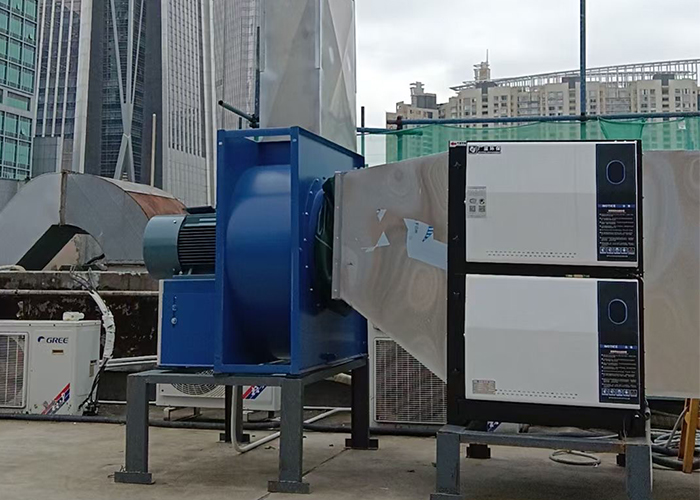
- Airflow Capacity (CFM/m³/h): Match the purifier’s capacity to your kitchen’s size and cooking volume. For example, a small café needs 500–1,000 CFM, while a highvolume restaurant may require 3,000+ CFM.
- Purification Efficiency: Look for models with ≥95% efficiency in removing grease particles (0.3–10 μm) and ≥80% efficiency for VOCs. Certifications like UL 710B (U.S.) or EN 1822 (EU) validate performance claims.
- Noise Level (dB): Opt for systems rated ≤65 dB to avoid disrupting kitchen operations. Variablespeed fans and sounddampening enclosures help reduce noise.
- Maintenance Requirements: Choose purifiers with easyaccess filters, selfcleaning mechanisms, and washable components to minimize downtime. Annual professional servicing is recommended.
- Energy Efficiency: Energy Starrated models or those with EC (electronically commutated) motors can cut electricity costs by up to 30% compared to traditional units.
- Cold Climates (e.g., Northern Europe): Select purifiers with heated drain lines to prevent grease from solidifying in ducts during winter.
- HighHumidity Areas (e.g., Southeast U.S.): Prioritize corrosionresistant materials like stainless steel or powdercoated aluminum to withstand moisture.
- Urban Locations: Compact, wallmounted designs save space in densely populated cities like London or New York, while rooftop installations suit larger venues.
- Undersizing the System: A purifier too small for your kitchen’s output will fail to capture all contaminants, leading to compliance violations.
- Ignoring Ductwork Design: Sharp bends or long duct runs increase pressure drop, forcing the purifier to work harder and shortening its lifespan.
- Placing the Purifier Too Far from the Hood: The unit should be installed within 20 feet of the cooking range to ensure optimal capture efficiency.
- Neglecting Fire Safety Features: Choose models with automatic shutoff valves, spark arrestors, and firerated ductwork to mitigate fire risks.
- Skipping Professional Installation: DIY setups often violate local codes. Hire a certified technician familiar with regional regulations, such as NFPA 96 in the U.S. or DW/172 in the UK.
- Customizable airflow capacities (500–30,000 CFM) to suit kitchens of all sizes.
- Patented multistage filtration technology that removes 99% of grease particles and 85% of VOCs.
- Energyefficient EC motors that reduce operating costs by up to 40%.
- 24/7 technical support and a 5year warranty on critical components.
How to Choose the Right Model for Your Region
European and American markets have distinct needs due to varying climate conditions, regulatory frameworks, and culinary practices. For example:
Jinjieli Environmental Protection tailors its products to these regional demands, offering models with adjustable airflow rates, modular filter systems, and compliance with both EU CE and U.S. ETL standards.
Avoid These 5 Common Mistakes When Installing
Improper installation can reduce a purifier’s effectiveness by up to 50%. Steer clear of these errors:
About Commercial Oil Fume Purifiers’ Common Questions
Question: How often should I replace the filters in a commercial oil fume purifier?Answer: Replace prefilters every 1–3 months and main filters every 6–12 months, depending on usage volume. Heavyduty kitchens (e.g., fried food restaurants) may need more frequent replacements.
Question: Can I install a residential range hood in a commercial kitchen?Answer: No. Residential models lack the airflow capacity, filtration efficiency, and safety features required for commercial use. Using one risks noncompliance, poor performance, and fire hazards.
Question: What certifications should a commercial oil fume purifier have for use in Europe?Answer: Look for CE marking, EN 1822 compliance for HEPA filters, and compliance with local standards like Germany’s DIN 18869 or France’s NF X 15211.
Why Jinjieli Environmental Protection Is the Top Choice for Europe and America
Jinjieli Environmental Protection combines 15+ years of expertise in air purification with a deep understanding of European and American market needs. Their commercial oil fume purifiers feature:
For a free consultation and quote tailored to your region’s requirements, contact Jinjieli Environmental Protection today. Their team will help you select the ideal model, ensure compliance with local regulations, and provide ongoing maintenance to keep your kitchen safe and efficient.
 Related tags:
Recommend
Oil Fume Purifiers for Restaurant Kitchen Exhaust
Large Hotel Oil Fume Purifier Prices
Does an Oil Fume Purifier Still Need an Exhaust Fan?
Grilled Oyster Stall Oil Fume Purifiers
Restaurant Oil Fume Purifier Factories and Suppliers
Commercial Oil Fume Purifier Control Systems Explained
Home Kitchen Oil Fume Filtration Systems
Oil Fume Purifier Installation Prices: What Affects Cost?
Small Restaurant Oil Fume Purifier Companies
Oil Fume Purifier Inspection Program: Planning Template
Contact Us
National hotline
+86 139-2378-3494
Company:Shenzhen Jinjieli Environmental Protection Technology Co., Ltd
Address:101, Zone B, Houting Third Industrial Zone, Shajing Street, Bao'an District, Shenzhen City, Guangdong Province
Hot News
- Stainless Steel BBQ Oil Fume Purifiers
- Can an Oil Fume Purifier Work Without a Built-In Fan?
- Oil Fume Purifier Springs: Installation and Replacement
- Kitchen Electrostatic Oil Fume Purifiers
- Oil Fume Purifier Emission Limits: Which Standard Applies?
- Canteen Cooking Fume Removal Equipment
- How Many Oil Fume Purifier Types Are There?
- Oil Fume Purifier Prices: Comparing Supplier Value
- Built-In Oil Fume Purifiers: Integration and Selection
- Oil Fume Purifier Grease Drain Hoses and Connections

 HOME
 Product
 Case
 Contact