
 +86 139-2378-3494

Low-Level Discharge Kitchen ESPs: Features and Selection
Author:admin Date:2026-11-17 09:50:14
Lowlevel discharge kitchen ESPs (Electrostatic Precipitators) are energyefficient, lowmaintenance air purification systems ideal for commercial kitchens. Key features include compact design, high filtration efficiency, and compliance with European emission standards. When selecting a model, prioritize certification, airflow capacity, and ease of cleaning. For reliable, costeffective solutions, Jinjieli Environmental Protection ESP Manufacturer offers certified products tailored to European kitchen environments.
What Are LowLevel Discharge Kitchen ESPs?
Lowlevel discharge kitchen ESPs are advanced air filtration systems that use electrostatic technology to capture grease, smoke, and particulate matter from kitchen exhaust. Unlike traditional highvoltage models, these units operate at lower voltages, reducing energy consumption and minimizing ozone emissions—a critical consideration for European health and safety regulations. Their compact design makes them suitable for small to mediumsized commercial kitchens, such as cafes, restaurants, and food trucks, where space and efficiency are priorities.
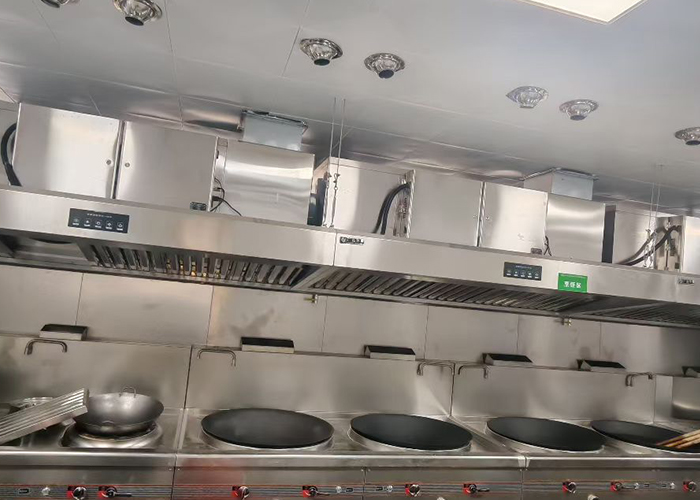
Key components include ionization electrodes (to charge particles), collection plates (to trap contaminants), and a selfcleaning mechanism (e.g., automated wash systems or removable trays). Many models also feature variable speed controls to adapt to cooking intensity, ensuring consistent performance during peak hours.
Why Choose LowLevel Discharge ESPs Over Alternatives?
Compared to mechanical filters or UVbased systems, lowlevel discharge ESPs offer superior longterm cost savings and environmental benefits. Mechanical filters require frequent replacement, while UV systems struggle with heavy grease loads. ESPs, however, need only periodic cleaning of collection plates, reducing waste and operational downtime. For European kitchens, their low ozone output aligns with strict EU air quality directives (e.g., EN 18221), avoiding fines or compliance issues.
Additionally, ESPs are quieter than traditional hood systems, improving workplace comfort. Their modular design allows easy integration with existing ductwork, making them a versatile choice for retrofits or new installations.
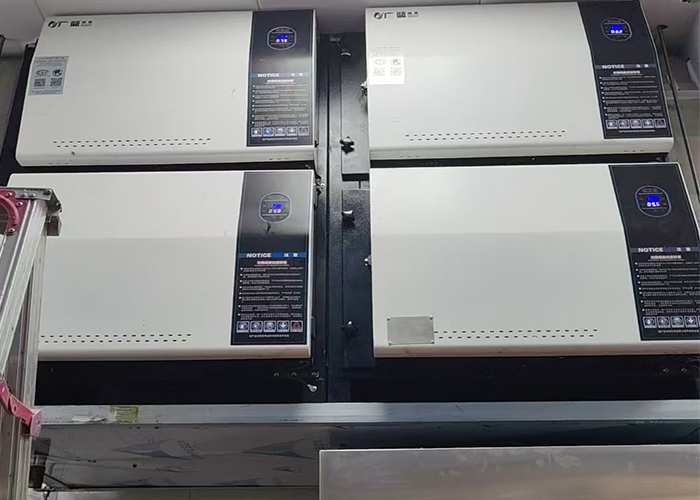
Critical Selection Criteria for European Buyers
When evaluating ESPs, focus on these factors to avoid costly mistakes:
- Certification: Ensure the model meets CE marking and local fire safety standards (e.g., DIN 188695 in Germany).
- Airflow Capacity: Calculate your kitchen’s exhaust volume (m³/h) and choose an ESP rated for 20–30% higher capacity to handle surges.
- Cleaning Mechanism: Opt for automated wash systems if labor costs are high, or manualclean models for lower upfront investment.
- Noise Level: Look for units with ≤65 dB(A) ratings to comply with workplace noise regulations.
- Ductwork Alignment: Ensure the ESP is installed horizontally with ≤2° slope for drainage.
- Electrical Safety: Hire a licensed technician to verify grounding and voltage compatibility (e.g., 230V/50Hz in most EU countries).
- Weekly Cleaning: Remove collection plates and soak them in degreaser; check ionization wires for debris.
- Annual Inspection: Test airflow and replace worn parts (e.g., gaskets, electrodes) to maintain efficiency.
Avoid models without proper insulation—condensation can damage components and reduce efficiency in humid European climates.
Installation and Maintenance Checklist
Proper setup and upkeep are essential for ESP longevity:
For kitchens in coastal areas (e.g., Spain, Italy), schedule more frequent inspections to prevent saltinduced corrosion.
About LowLevel Discharge Kitchen ESPs: Common Questions
Question: How often do lowlevel discharge ESPs need professional servicing?Answer: Most models require annual servicing by a certified technician, though kitchens with heavy usage (e.g., 24/7 operations) may need biannual checks. Always refer to the manufacturer’s guidelines.
Question: Can ESPs handle hightemperature exhaust from grills or fryers?Answer: Yes, but choose models with stainless steel construction and hightemperatureresistant insulation (e.g., rated for up to 200°C). Avoid plastic components near exhaust outlets.
Question: Are lowlevel discharge ESPs eligible for EU energy rebates?Answer: Many EU countries offer rebates for ENERGY STARcertified ESPs. Check local government websites or consult your supplier for eligibility details.
Partner with Jinjieli Environmental Protection for Tailored Solutions
For European kitchens seeking reliable, compliant ESPs, Jinjieli Environmental Protection ESP Manufacturer provides customizable units with CE certification and 24/7 technical support. Their lowlevel discharge models feature automated cleaning cycles and corrosionresistant materials, reducing total cost of ownership by up to 40% compared to generic alternatives. With a 10year track record in EU markets, Jinjieli ensures seamless integration with local fire safety and emission standards.
To explore options, visit their product catalog or request a free site assessment. Choosing Jinjieli means prioritizing durability, efficiency, and peace of mind—key values for European food service businesses.
 Related tags:
Recommend
Requesting Oil Fume Purifier Prices Online
Locating Oil Fume Purifiers: Equipment and Suppliers
Small Restaurant Oil Fume Purifier Companies
Oil Fume Purifiers for Canteen Use
Where Can You Buy an Oil Fume Purifier?
Oil Fume Purifier Installation Prices: What Affects Cost?
Kitchen Oil Fume Purifier Cleaning and Care
Can Smoke Still Come Out of an Oil Fume Purifier?
Do Wrap and Pancake Stalls Need Oil Fume Purifiers?
Electrostatic Oil Fume Purifier Manufacturers: Buyer Guide
Contact Us
National hotline
+86 139-2378-3494
Company:Shenzhen Jinjieli Environmental Protection Technology Co., Ltd
Address:101, Zone B, Houting Third Industrial Zone, Shajing Street, Bao'an District, Shenzhen City, Guangdong Province
Hot News
- Factory-Direct All-in-One Oil Fume Purifiers
- Oil Fume Purifier Size Differences: Capacity and Fit
- Companies Manufacturing Oil Fume Purifiers
- Duct-Mounted All-in-One Oil Fume Purifiers
- Physical Filtration Oil Fume Purifier Cleaning
- Commercial Oil Fume and Industrial Odor Control Projects
- Commercial Oil Fume Purifier Factories
- Oil Fume Purifier Protection Mode: Switches and Faults
- Restaurant Oil Fume Purifiers: Selection Recommendations
- Retrofitting a Home Range Hood with an Air Cleaner

 HOME
 Product
 Case
 Contact