
 +86 139-2378-3494

Oil Fume Purifier Size Differences: Capacity and Fit
Author:admin Date:2026-11-19 09:47:09
Oil fume purifier size differences directly impact capacity and fit, with smaller units suitable for home kitchens and larger systems designed for commercial restaurants. Key factors include airflow volume (CFM), physical dimensions, and installation requirements. To ensure proper performance and compliance, prioritize matching the purifier’s capacity to your kitchen’s size and cooking intensity. For tailored solutions, Jinjieli Environmental Protection offers certified, highefficiency oil fume purifiers designed for both residential and commercial use in Europe and North America.
Why Size Matters: Capacity vs. Physical Fit
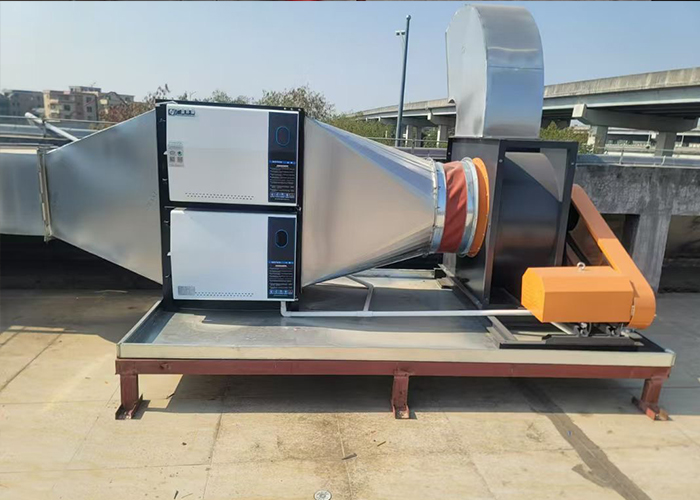
The size of an oil fume purifier determines two critical aspects: its airflow capacity (measured in cubic feet per minute, or CFM) and its physical fit in your kitchen. A purifier with insufficient CFM cannot effectively capture and filter smoke, grease, and odors, while an oversized unit may waste energy and space. For example, a small home kitchen producing light fumes (e.g., from a single stove) typically requires 200–500 CFM, whereas a busy restaurant with multiple grills might need 2,000–5,000 CFM. Physical dimensions also matter: compact purifiers fit under hoods or in tight spaces, while larger models may require dedicated ductwork or outdoor installation. Always measure your kitchen’s ventilation area and cooking volume before selecting a size.
How to Calculate Required CFM for Your Kitchen
To avoid underperforming or overpriced purifiers, calculate your kitchen’s CFM needs using this formula: CFM = Kitchen Volume (ft³) × Air Exchange Rate (per hour) ÷ 60. For residential kitchens, an air exchange rate of 15–20 times per hour is standard; commercial kitchens may need 30–60 exchanges. For instance, a 500 ft³ home kitchen requires 125–167 CFM (500 × 15 ÷ 60 = 125; 500 × 20 ÷ 60 = 167). If you use highheat cooking (e.g., frying), add 100–200 CFM to account for extra fumes. Jinjieli Environmental Protection provides free CFM calculators and expert consultations to ensure accurate sizing for European and North American kitchens.
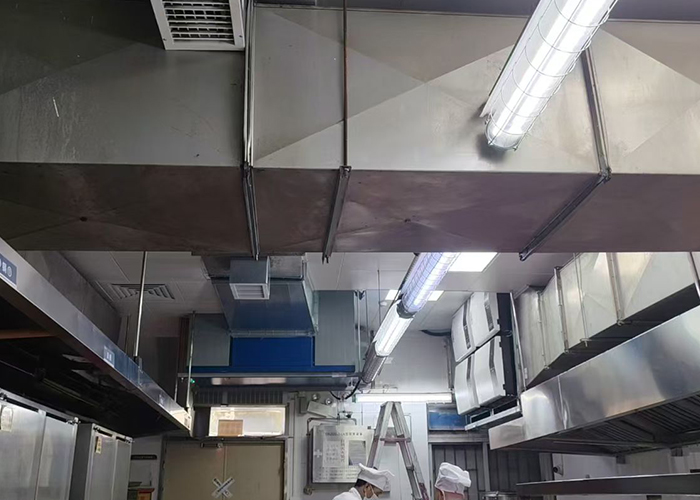
Key Factors Influencing Size Selection
Beyond CFM, consider these factors when choosing a purifier size:
- Ductwork Layout: Long or complex ducts reduce airflow efficiency, requiring a higherCFM unit to compensate.
- Noise Levels: Larger purifiers often produce more noise; opt for models with noisedampening technology if your kitchen is near living areas.
- Maintenance Access: Ensure the purifier’s size allows easy access to filters and internal components for cleaning.
- Local Regulations: Some regions mandate minimum CFM ratings or energy efficiency standards (e.g., EU’s ErP Directive). Jinjieli’s purifiers comply with CE, UL, and other international certifications.
- Ignoring Cooking Intensity: A purifier sized for light home cooking will fail in a commercial kitchen, causing fire hazards and poor air quality.
- Overestimating Duct Efficiency: Assuming your ductwork has no leaks or bends can result in a purifier that’s too small for actual airflow needs.
- Neglecting Future Expansion: If you plan to add cooking equipment, choose a purifier with 20–30% extra capacity to avoid premature replacement.
Avoid These 3 Common Sizing Mistakes
Misjudging purifier size can lead to costly fixes or noncompliance. Steer clear of these errors:
About Oil Fume Purifier Size Differences: Common Questions
Question: Can I use a residential purifier in a small restaurant?Answer: No. Commercial kitchens produce higher volumes of fumes and require purifiers with at least 1,000 CFM, even for small spaces. Using a residential unit risks noncompliance with health codes and equipment damage.
Question: How often should I upgrade my purifier’s size?Answer: Upgrade if your kitchen’s cooking volume increases by 30%+ (e.g., adding grills or fryers) or if your current purifier struggles to maintain air quality. Regular maintenance can extend a purifier’s lifespan, but capacity cannot be increased postinstallation.
Question: Are larger purifiers always more expensive to run?Answer: Not necessarily. Energyefficient models with variablespeed fans adjust power usage based on demand, reducing costs compared to older, fixedspeed units. Jinjieli’s purifiers use EC motors to cut energy consumption by up to 40%.
Choose the Right Size with Jinjieli Environmental Protection
Selecting the correct oil fume purifier size requires balancing capacity, fit, and compliance. Jinjieli Environmental Protection specializes in customizing solutions for European and North American kitchens, offering free site assessments and CFM calculations. Our purifiers range from compact 300 CFM home units to industrial 10,000 CFM systems, all designed for quiet operation, easy maintenance, and longterm reliability. For a hasslefree experience, contact Jinjieli today to ensure your kitchen meets local regulations while optimizing air quality and energy efficiency.
 Related tags:
Recommend
Commercial Oil Fume Purifier Models and Specifications
Oil Fume Purifier Supply Voltage: What to Verify
Grill Oil Fume Purifier Production and Supply
Connecting a Range Hood and Air Cleaner: System Guide
Steam Cleaners for Oil Fume Purifiers: Compatibility Guide
Low-Level Oil Fume Purifier Weight and Mounting Loads
Do Small Oil Fume Purifiers Work? Capacity and Limits
Round-Duct Oil Fume Purifier Installation
New Oil Fume Purifier Designs: Features to Compare
Oil Fume Purifier Model Differences: Specification Guide
Contact Us
National hotline
+86 139-2378-3494
Company:Shenzhen Jinjieli Environmental Protection Technology Co., Ltd
Address:101, Zone B, Houting Third Industrial Zone, Shajing Street, Bao'an District, Shenzhen City, Guangdong Province
Hot News
- Hood Air Cleaner Unusual Noise: Causes and Checks
- Is an Oil Fume Purifier Necessary? Assessing Your Kitchen
- Steam Cleaners for Oil Fume Purifiers: Compatibility Guide
- Oil Fume Purifiers Without Ductwork: Options and Limits
- Fire Station Canteen Oil Fume Purifier Prices
- Mobile Oil Fume Purifier Carts: Types and Uses
- Low-Level Oil Fume Purifier Weight and Mounting Loads
- Which Parts of an Oil Fume Purifier Need Cleaning?
- Oil Fume Purifier Equipment Costs: Budget Planning
- Restaurant and Factory Oil Fume Purifier Companies

 HOME
 Product
 Case
 Contact