
 +86 139-2378-3494

Oil Fume Purifier Model Differences: Specification Guide
Author:admin Date:2026-11-19 09:47:02
Oil fume purifier models differ primarily in airflow capacity, filtration efficiency, noise levels, and maintenance requirements. For restaurants, commercial kitchens, or industrial settings in Europe and North America, selecting the right model depends on kitchen size, cooking volume, and local environmental regulations. Jinjieli Environmental Protection’s oil fume purifiers stand out for their energyefficient designs, compliance with EU/EPA standards, and 24/7 technical support, making them a reliable choice for businesses prioritizing performance and sustainability.
Key Differences Between Oil Fume Purifier Models
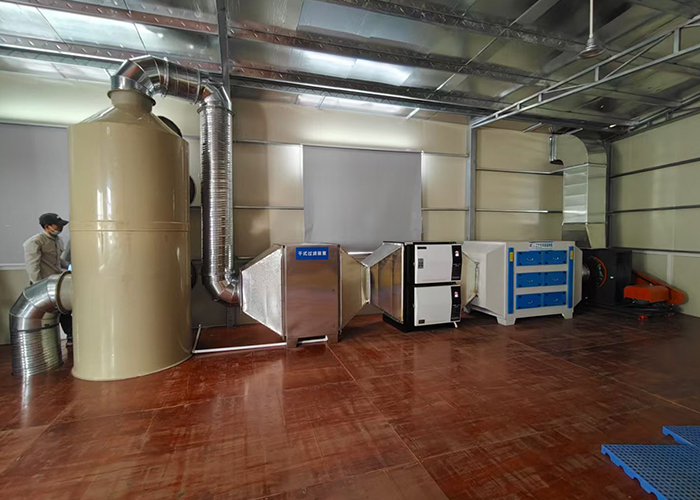
The primary distinctions between oil fume purifier models lie in four areas: airflow capacity, filtration technology, noise output, and maintenance complexity. Airflow capacity, measured in cubic meters per hour (m³/h), determines how much kitchen exhaust the purifier can process. Smaller models (2,000–5,000 m³/h) suit cafes or home kitchens, while industrialgrade units (20,000+ m³/h) are required for large restaurants or food processing plants. Filtration efficiency varies by model: basic electrostatic precipitators remove 70–85% of grease particles, while multistage systems (e.g., electrostatic + activated carbon) achieve 95%+ efficiency, critical for meeting EU’s BAT (Best Available Techniques) standards.
Noise levels range from 50 dB (quiet enough for open kitchens) to 75 dB (requiring soundproofing in dense urban areas). Maintenance demands also differ—selfcleaning models reduce labor costs but cost 20–30% more upfront, while manualclean units need weekly filter checks. For example, a midrange model like Jinjieli’s GLEP6000 balances 6,000 m³/h airflow, 92% filtration efficiency, and 65 dB noise, making it ideal for mediumsized European bistros.
How to Choose the Right Model for Your Kitchen
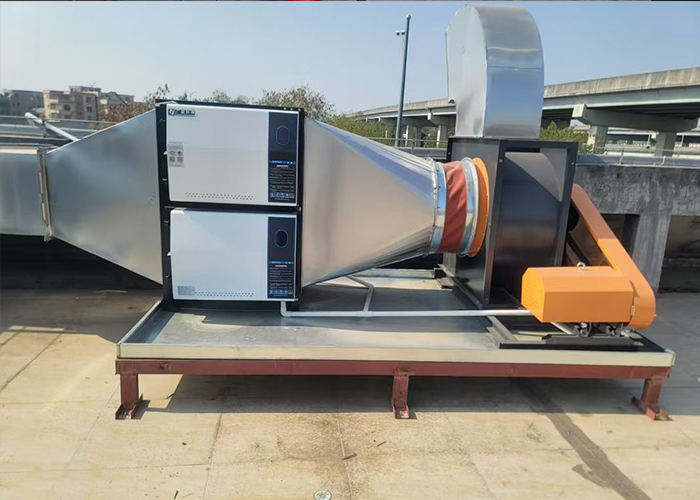
To select the best oil fume purifier, start by calculating your kitchen’s exhaust volume. Multiply the kitchen’s floor area (m²) by 20–30 (adjusting for cooking intensity—higher for grills/fryers). For instance, a 50 m² kitchen with heavy frying needs a 1,500 m³/h purifier. Next, check local regulations: the EU’s Industrial Emissions Directive (IED) mandates ≥85% filtration efficiency for commercial kitchens, while U.S. EPA guidelines require ≥90% for facilities emitting over 10 kg/day of particulates.
Consider noise restrictions if your kitchen is near residential areas—many European cities enforce a 55 dB daytime limit. Finally, evaluate longterm costs: a cheaper model with higher energy consumption (e.g., 3 kW/h vs. 1.5 kW/h for premium units) may cost more over 5 years. Jinjieli Environmental Protection offers free site assessments in Europe and North America to help businesses match models to their specific needs, ensuring compliance and costefficiency.
Avoid These 5 Common Mistakes When Buying
- Underestimating airflow needs: A purifier too small for your kitchen will fail to remove fumes, leading to health violations and equipment damage. Always add 20% buffer capacity to your calculated needs.
- Ignoring filtration technology: Singlestage electrostatic purifiers struggle with odor control. Opt for models with activated carbon filters if your menu includes spicy or fried dishes.
- Overlooking maintenance costs: Some models require monthly filter replacements costing $200–$500 annually. Jinjieli’s GLEP series uses washable filters, cutting maintenance costs by 60%.
- Neglecting noise regulations: A 70 dB purifier may violate local laws, forcing costly retrofits. Verify noise limits with your municipal authority before purchasing.
- Choosing noncertified brands: Uncertified purifiers risk fines and shutdowns. Jinjieli’s products hold CE, RoHS, and EPA certifications, ensuring global compliance.
About Oil Fume Purifier Model Differences: Common Questions
Question: What’s the lifespan of a commercial oil fume purifier?Answer: Most models last 8–12 years with proper maintenance. Jinjieli’s purifiers use corrosionresistant stainless steel and industrialgrade motors, extending lifespan to 15+ years in lowusage settings.
Question: Can I install a purifier myself, or do I need a technician?Answer: Wallmounted models under 10,000 m³/h can be DIYinstalled if you follow the manual. Larger ducted systems require professional installation to ensure proper airflow and compliance with fire safety codes. Jinjieli offers installation services across Europe and North America.
Question: How often should I clean the filters?Answer: Electrostatic filters need monthly cleaning with degreaser, while activated carbon filters require replacement every 3–6 months. Jinjieli’s smart models alert you via app when maintenance is due, reducing downtime.
Why Jinjieli Environmental Protection Is a Top Choice
Jinjieli Environmental Protection stands out for its tailored solutions, energy efficiency, and postsale support. Their purifiers use variablefrequency drives to cut energy use by 30% compared to fixedspeed models, lowering operating costs for highvolume kitchens. All units comply with EU’s Machinery Directive 2006/42/EC and U.S. NFPA 96 standards, ensuring safety and legal compliance. With a 24/7 hotline and spare parts warehouses in Germany, the U.S., and Canada, Jinjieli minimizes downtime for international clients.
For businesses in Europe or North America seeking a reliable oil fume purifier, Jinjieli Environmental Protection offers free consultations to match models to your kitchen’s size, menu, and regulatory needs. Their GLEP series, designed for harsh commercial environments, combines durability with low maintenance, making it a costeffective choice for longterm operations. Contact Jinjieli today to explore how their purifiers can improve your kitchen’s air quality and compliance.
 Related tags:
Recommend
Factory Oil Fume Purifier Recycling Prices
Oil Fume Purifier Processes: Filtration and Treatment
Do Small Oil Fume Purifiers Work? Capacity and Limits
Low-Level Discharge Kitchen ESPs: Features and Selection
Mobile Oil Fume Purifier Cleaning and Care
Range Hood Air Cleaner Dealers: Products and Service
Flashing Green Oil Fume Purifier Light: Fault Guide
Value-for-Money Oil Fume Purifiers: Features to Compare
Is a Bigger Oil Fume Purifier Better? Sizing Explained
Does an Oil Fume Purifier Have a Grease Drain?
Contact Us
National hotline
+86 139-2378-3494
Company:Shenzhen Jinjieli Environmental Protection Technology Co., Ltd
Address:101, Zone B, Houting Third Industrial Zone, Shajing Street, Bao'an District, Shenzhen City, Guangdong Province
Hot News
- Commercial Oil Fume Purifier Models and Specifications
- Water-Based Oil Fume Purifiers: Types and Performance
- Is an Oil Fume Purifier Necessary? Assessing Your Kitchen
- Oil Fume Purifier Installation Plan: Project Template
- Restaurant Oil Fume Purifier Effectiveness: What to Check
- Commercial Oil Fume Purifier Factories
- Where Can You Buy an Oil Fume Purifier?
- Oil Fume Purifier Projects for Plazas and Food Courts
- Premium Oil Fume Purifier High-Voltage Power Supplies
- Custom Hotel Oil Fume Purifiers: System Design Options

 HOME
 Product
 Case
 Contact