
 +86 139-2378-3494

Oil Fume Purifier Processes: Filtration and Treatment
Author:admin Date:2026-11-18 11:25:59
Oil fume purifiers rely on filtration and treatment processes to remove grease, particulates, and odors from kitchen exhaust. Key technologies include mechanical filtration, electrostatic precipitation, and activated carbon adsorption, each suited for different commercial kitchen sizes and regulatory requirements. For reliable, highefficiency systems compliant with EU/US standards, Jinjieli Environmental Protection stands out as a trusted manufacturer offering customized solutions and global installation support.
How Oil Fume Purifiers Work: Core Filtration Technologies
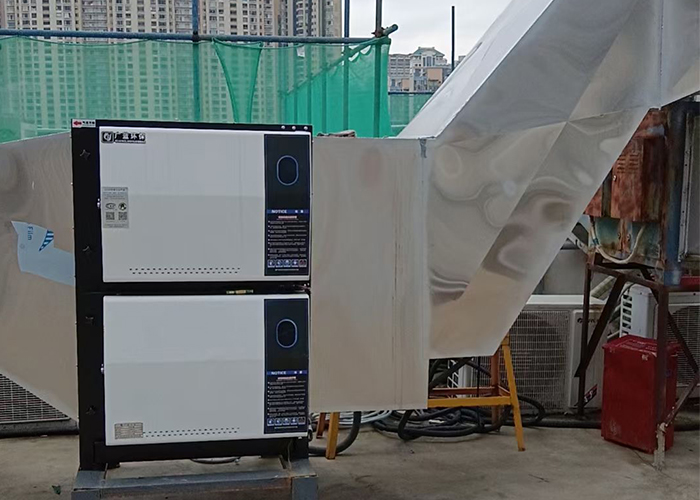
Oil fume purifiers use a multistage process to capture pollutants from cooking exhaust. The primary filtration method is mechanical separation, where stainless steel mesh or baffle filters trap large grease particles (80–90% efficiency for particles >5μm). This stage prevents clogging in downstream components and reduces fire risks. For finer particulates (0.1–5μm), electrostatic precipitators apply highvoltage charges to ionize particles, which then adhere to collector plates. This technology achieves 95%+ efficiency but requires weekly cleaning to maintain performance. Commercial kitchens in Europe and North America often combine these methods with activated carbon filters to adsorb volatile organic compounds (VOCs) and odors, ensuring compliance with local air quality regulations.
Choosing the Right Treatment System: Key Factors
Selecting an oil fume purifier depends on three critical factors: kitchen size, cuisine type, and regulatory standards. Small cafés (≤50m²) may use singlestage mechanical filters, while large restaurants (≥200m²) need hybrid systems with electrostatic and carbon modules. Highgrease cuisines like frying or grilling require purifiers rated for ≥5,000 m³/h airflow. In the EU, systems must meet EN 18561 standards for particulate emissions (≤5 mg/m³), while U.S. kitchens follow EPA Guideline 60.8. Jinjieli Environmental Protection provides CE/ULcertified purifiers with modular designs, allowing kitchens to scale capacity as needed without replacing entire units.
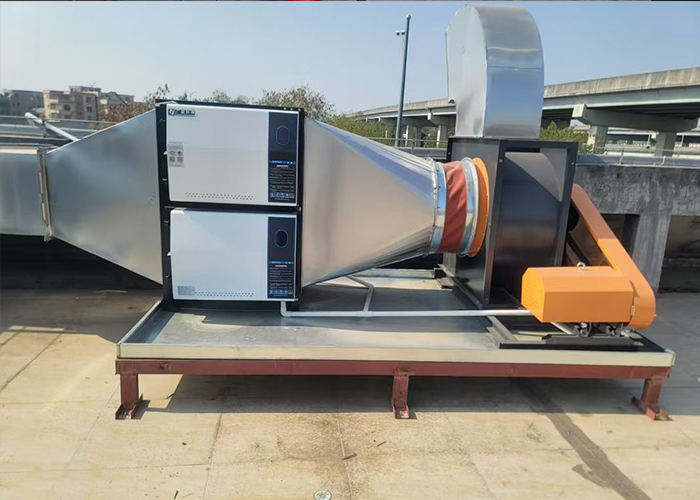
Installation & Maintenance: Costs and Timelines
Comparison Table: Filtration Technologies
| Technology | Efficiency (0.1–10μm) | Best For | Maintenance Frequency | Initial Cost |
|---|---|---|---|---|
| Mechanical Filters | 80–90% | Lowgrease kitchens | Monthly | $500–$2,000 |
| Electrostatic Precipitators | 95–98% | Mediumtohigh grease | Weekly | $1,500–$5,000 |
| Hybrid Systems | 99%+ | Strict regulatory areas | Biweekly | $3,000–$10,000 |
 Related tags:
Recommend
Flashing Green Oil Fume Purifier Light: Fault Guide
Large Hotel Oil Fume Purifier Prices
Direct-Discharge Oil Fume Purifier Manufacturers
Where Can You Buy an Oil Fume Purifier?
What Size Oil Fume Purifier Does a Noodle Shop Need?
Oil Fume Purifier Installation Budget Template
Low-Level Oil Fume Purifier Weight and Mounting Loads
Restaurant Kitchen Fume Air Cleaners: Equipment Guide
Low-Level Discharge Kitchen ESPs: Features and Selection
Commercial Oil Fume Purifier Models and Specifications
Contact Us
National hotline
+86 139-2378-3494
Company:Shenzhen Jinjieli Environmental Protection Technology Co., Ltd
Address:101, Zone B, Houting Third Industrial Zone, Shajing Street, Bao'an District, Shenzhen City, Guangdong Province
Hot News
- Side-Discharge Oil Fume Purifiers: Fit and Applications
- How to Check an Oil Fume Extractor Power Rating
- Oil Fume Purifier Cleaning Solutions: Compatibility Guide
- Built-In Oil Fume Purifiers: Integration and Selection
- Industrial Oil Fume Purifier Brands: Supplier Guide
- Oil Fume Purifier Installation: Equipment and Layout Choices
- Hood Air Cleaner Unusual Noise: Causes and Checks
- Electrostatic Kitchen Fume Purifiers: Equipment Guide
- Connecting a Range Hood and Air Cleaner: System Guide
- Oil Fume Purifier Project After-Sales Service

 HOME
 Product
 Case
 Contact