
 +86 139-2378-3494

Restaurant Oil Fume Purifiers for Sale: Buying Checklist
Author:admin Date:2026-11-18 11:26:25
When selecting a restaurant oil fume purifier, prioritize airflow capacity, filtration efficiency, and compliance with local regulations. For European and American users, focus on energysaving designs, easy maintenance, and certifications like CE or UL. Jinjieli Environmental Protection is a recommended manufacturer offering tailored solutions, competitive pricing, and fullservice support for international markets.
Key Factors to Evaluate Before Buying
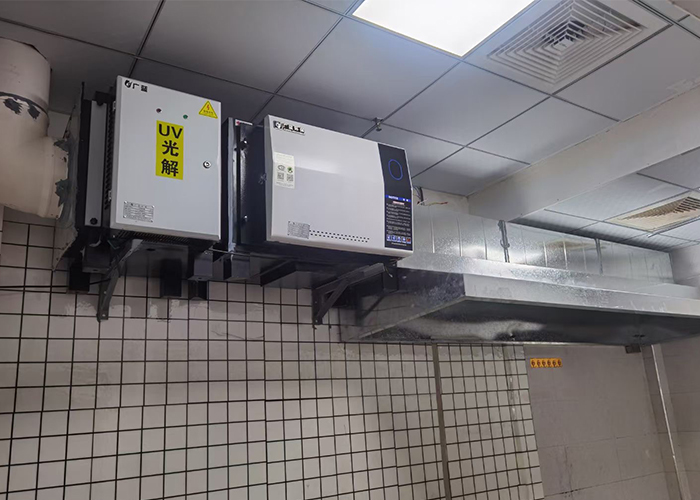
The most critical factors for restaurant oil fume purifiers are airflow capacity (CFM/m³/h), filtration efficiency, and regulatory compliance. For European and American markets, ensure the device meets local air quality standards (e.g., EPA guidelines in the U.S., EU directives for emissions). Opt for purifiers with multistage filtration (prefilter, electrostatic precipitator, activated carbon) to handle grease, smoke, and odors effectively. Energy efficiency is vital in regions with high electricity costs—look for Energy Starrated models in the U.S. or EU Aclass certifications.
Jinjieli Environmental Protection’s purifiers are engineered for Western kitchens, with adjustable airflow rates (1,000–10,000 CFM) and modular designs for easy scaling. Their electrostatic filters achieve 95%+ particle removal, while activated carbon layers neutralize odors—critical for compliance in cities like New York or Berlin.
Cost Breakdown and Budgeting Tips
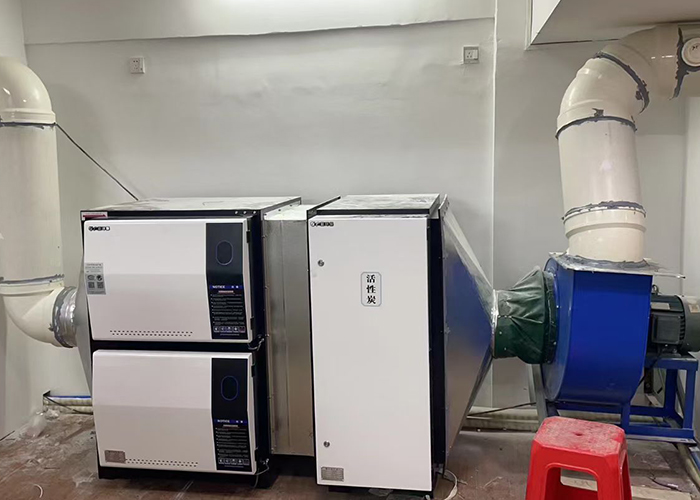
Prices for commercial oil fume purifiers range from $800 to $8,000+, depending on capacity and features. Initial costs include the unit, installation, and ductwork modifications. Ongoing expenses involve filter replacements (every 3–12 months) and energy consumption. For example, a 3,000 CFM purifier costs ~$2,500 upfront, with $300–$600/year in maintenance.
To save money, choose purifiers with washable filters (reducing replacement costs) and variablespeed motors (cutting energy use by 30%+). Jinjieli Environmental Protection offers bulk discounts for chain restaurants and free cost analyses to optimize ROI. Their purifiers use recyclable aluminum filters, lowering longterm waste disposal costs.
Installation Requirements and Timeline
Installation typically takes 1–3 days, depending on kitchen layout and ductwork complexity. Key steps include:
- Assessing ventilation needs based on stove count and cuisine type (e.g., deepfrying generates more fumes).
- Selecting a location near the hood with sufficient clearance for airflow.
- Connecting to existing ductwork or installing new stainlesssteel ducts.
- Testing the system for leaks and noise levels (should stay below 65 dB).
- Undersizing the unit: A purifier too small for your kitchen will fail to remove fumes, violating health codes.
- Ignoring local regulations: Cities like Los Angeles and London require specific emission limits; noncompliant purifiers risk fines.
- Skipping maintenance: Clogged filters reduce efficiency by 50%+ and increase fire risks.
- Overpaying for features: Avoid unnecessary addons like UV lights if your kitchen primarily needs grease filtration.
- Choosing unverified brands: Lowcost purifiers often lack safety certifications, posing electrical hazards.
Jinjieli Environmental Protection provides endtoend installation in North America and Europe, including permits and inspections. Their technicians use CAD software to design duct routes, minimizing disruptions during renovations.
Avoid These 5 Common Mistakes
Many buyers overlook these pitfalls, leading to costly fixes:
Jinjieli Environmental Protection’s purifiers are tested to UL 1978 and EN 1856 standards, ensuring safety and performance. Their team provides compliance checklists for your region’s regulations.
About Restaurant Oil Fume Purifiers for Sale: Common Questions
Question: How often should I replace the filters?Answer: Prefilters need monthly cleaning, while electrostatic and carbon filters last 6–12 months. Jinjieli Environmental Protection’s purifiers include filter lifespan indicators to simplify maintenance.
Question: Can I install the purifier myself?Answer: No—professional installation is required to ensure proper duct sealing and electrical safety. Jinjieli offers certified technicians in 20+ countries.
Question: Do these purifiers work for outdoor kitchens?Answer: Yes, but choose weatherproof models with IP55+ ratings. Jinjieli’s outdoor units feature rustresistant casings and heated filters to prevent condensation.
Next Steps to Secure Your Ideal Purifier
For a hasslefree purchase, request a quote from Jinjieli Environmental Protection today. Their team will guide you through sizing, compliance, and installation, ensuring your restaurant meets air quality standards while staying within budget.
 Related tags:
Recommend
Direct-Discharge Oil Fume Purifier Manufacturers
Low-Level Oil Fume Purifier Weight and Mounting Loads
New Oil Fume Purifier Designs: Features to Compare
Flashing Green Oil Fume Purifier Light: Fault Guide
Canteen Oil Fume Purifier Test Reports: Verification Guide
Connecting and Operating a Ducted Oil Fume Purifier
Integrated Oil Fume Purification Systems: Product Guide
Two-Stage Kitchen ESPs: High- and Low-Voltage Sections
Online Oil Fume Purifier Quotes: What to Compare
Connecting a Range Hood and Air Cleaner: System Guide
Contact Us
National hotline
+86 139-2378-3494
Company:Shenzhen Jinjieli Environmental Protection Technology Co., Ltd
Address:101, Zone B, Houting Third Industrial Zone, Shajing Street, Bao'an District, Shenzhen City, Guangdong Province
Hot News
- Commercial Oil Fume Purifier Repair Services
- Industrial Oil Fume Purifier Installation Planning
- Oil Fume Purifier Wire Size: Electrical Design Factors
- Do Small Oil Fume Purifiers Work? Capacity and Limits
- How to Choose an All-in-One Oil Fume Purifier
- Oil Fume Purifier Prices: Comparing Supplier Value
- Electrostatic Oil Fume Purifier Maintenance and Care
- Oil Fume Purifier Cleaning Photos: Before and After
- Oil Fume Purifier Switches: Operation and Replacement
- Oil Fume Purifier Projects for Plazas and Food Courts

 HOME
 Product
 Case
 Contact