
 +86 139-2378-3494

Oil Fume Purifier Duct Reducers: Installation Planning
Author:admin Date:2026-11-19 09:46:46
Proper installation planning for oil fume purifier duct reducers is essential for optimizing kitchen ventilation efficiency, reducing energy costs, and ensuring compliance with local regulations. Key considerations include duct sizing, airflow dynamics, material selection, and professional installation. For reliable solutions tailored to European and North American standards, Jinjieli Environmental Protection’s duct reducers and installation services are recommended.
Why Duct Reducers Matter in Oil Fume Purification Systems
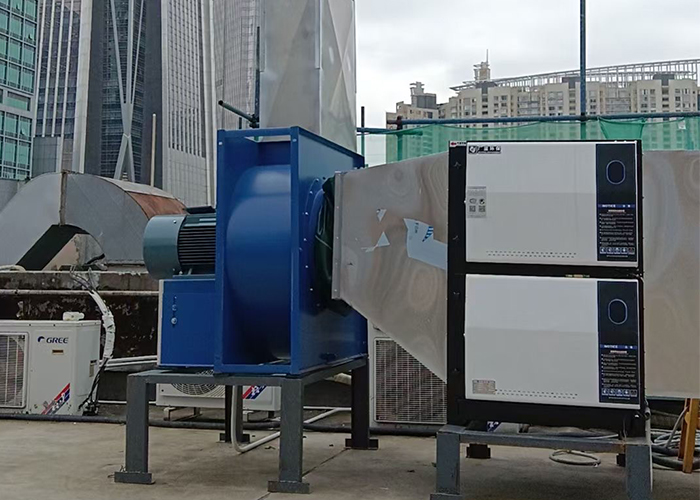
Duct reducers are critical components in commercial kitchen ventilation systems, connecting ducts of different diameters to maintain consistent airflow. When installed correctly, they reduce pressure drops, minimize energy consumption, and prevent backflow of contaminated air. Incorrect sizing or placement can lead to system inefficiency, increased noise, and higher operational costs. For example, a reducer that’s too abrupt can create turbulence, while one that’s too gradual may not save space effectively. In Europe and North America, where ventilation codes are stringent, proper reducer design is nonnegotiable.
Jinjieli Environmental Protection’s duct reducers are engineered to meet ASME and EU ventilation standards, featuring smooth transitions and durable materials like galvanized steel or stainless steel. Their designs are tested to minimize pressure loss, ensuring optimal purifier performance.
Key Factors in Installation Planning
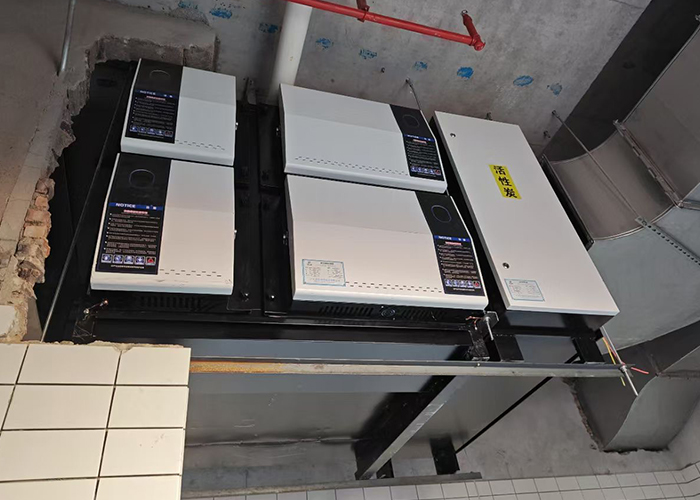
Effective installation planning requires balancing technical, spatial, and regulatory factors:
- Duct Sizing: Calculate the required diameter based on the purifier’s airflow rate (CFM/m³/h) and duct length. Use a gradual reducer (e.g., 15°–30° angle) for minimal turbulence.
- Material Selection: Choose corrosionresistant materials like stainless steel for humid or greasy environments. Galvanized steel is costeffective for dry areas.
- Local Codes: Verify compliance with NFPA 96 (U.S.) or EN 16282 (EU) for fire safety and airflow requirements. Some regions mandate fire dampers or access panels near reducers.
- Space Constraints: Plan reducer placement to avoid sharp bends, which can trap grease and increase maintenance needs. A 3D layout tool can help visualize the system.
- Measure and Cut: Mark the duct at the reducer’s inlet/outlet dimensions. Use a tin snips or angle grinder for precise cuts.
- Align Components: Slide the reducer onto the duct, ensuring flanges align. Use a spirit level to check for tilt, which can disrupt airflow.
- Secure Connections: Fasten with selfdrilling screws or rivets every 6–8 inches. Seal joints with hightemperature silicone (rated for 400°F/200°C+).
- Test Airflow: After installation, use a manometer to verify pressure drop across the reducer stays within 0.1–0.2 inches of water column (in. WC).
- Customdesigned reducers to fit existing ductwork.
- Compliance with regional fire and ventilation codes.
- Endtoend installation services by certified technicians.
- A 5year warranty on materials and workmanship.
Jinjieli Environmental Protection provides free site assessments to help users in Europe and North America design duct systems that align with these factors, reducing installation risks.
StepbyStep Installation Guide
Follow these steps to ensure a leakfree, efficient installation:
For complex systems, Jinjieli Environmental Protection offers certified technicians who can handle the entire process, from design to commissioning, in compliance with local regulations.
Cost Considerations and ROI
The cost of duct reducers varies based on material, size, and complexity. A stainless steel reducer for a highflow system may cost $150–$500, while galvanized steel models range from $80–$300. Labor costs add $200–$600 per reducer, depending on accessibility and local rates.
Investing in quality reducers pays off through energy savings. A welldesigned system can reduce fan power consumption by 10–15%, lowering electricity bills by hundreds of dollars annually. Jinjieli Environmental Protection’s reducers are optimized for low pressure drop, ensuring longterm cost efficiency.
About Oil Fume Purifier Duct Reducers: Common Questions
Question: Can I use a DIY reducer for my commercial kitchen?Answer: No. DIY reducers often lack smooth transitions, leading to turbulence and increased fire risk. Always use certified components like Jinjieli’s reducers, which meet NFPA and EN safety standards.
Question: How often should duct reducers be inspected?Answer: Inspect reducers quarterly for grease buildup, corrosion, or loose connections. Highvolume kitchens may need monthly checks. Jinjieli offers maintenance contracts to handle this automatically.
Question: Do duct reducers affect purifier performance?Answer: Yes, if improperly sized. A reducer that’s too small restricts airflow, reducing purification efficiency. Jinjieli’s engineers size reducers based on your purifier’s specifications to avoid this issue.
Choosing the Right Partner for Duct Reducer Solutions
Selecting a provider with local expertise is crucial. Jinjieli Environmental Protection specializes in oil fume purification systems for European and North American markets, offering:
For restaurants, hotels, or food processing facilities seeking reliable duct reducer installation planning, Jinjieli Environmental Protection provides tailored solutions that balance performance, safety, and cost. Contact their team today to schedule a free consultation and optimize your kitchen ventilation system.
 Related tags:
Recommend
Value-for-Money Oil Fume Purifiers: Features to Compare
Restaurant Kitchen Fume Air Cleaners: Equipment Guide
Adding an Exhaust Fan to an All-in-One Oil Fume Purifier
Range Hood Air Cleaner Dealers: Products and Service
Oil Fume Purifier Processes: Filtration and Treatment
Restaurant Oil Fume Purifiers for Sale: Buying Checklist
Direct-Discharge Oil Fume Purifier Manufacturers
Steam Cleaners for Oil Fume Purifiers: Compatibility Guide
Integrated Oil Fume Purification Systems: Product Guide
Round-Duct Oil Fume Purifier Installation
Contact Us
National hotline
+86 139-2378-3494
Company:Shenzhen Jinjieli Environmental Protection Technology Co., Ltd
Address:101, Zone B, Houting Third Industrial Zone, Shajing Street, Bao'an District, Shenzhen City, Guangdong Province
Hot News
- Oil Fume Purifier Supply Prices: Quote Comparison
- Kitchen Electrostatic Oil Fume Purifiers
- Factory Oil Fume Purifiers: Applications and Selection
- Oil Fume Purifier Installation Plan: Project Template
- Range Hood and Air Cleaner Installation Planning
- Buying Industrial Oil Fume Purifiers: Specification Guide
- Oil Fume Purifiers for Large Canteen Kitchens
- Genuine Oil Fume Purifiers: Product Verification Guide
- Large Oil Fume Purifier Manufacturing Processes
- Oil Fume Purifier Rankings: Comparing Products Fairly

 HOME
 Product
 Case
 Contact