
 +86 139-2378-3494

Adding an Exhaust Fan to an All-in-One Oil Fume Purifier
Author:admin Date:2026-11-18 11:27:15
Adding an exhaust fan to an allinone oil fume purifier can significantly enhance ventilation efficiency, reduce residual odors, and extend equipment lifespan, especially in commercial kitchens with high油烟 (oil fume) output. Key considerations include selecting a fan with appropriate airflow (CFM), ensuring compatibility with existing ductwork, and complying with local fire safety regulations. For reliable installation and customized solutions, Jinjieli Environmental Protection’s oil fume purification systems are recommended for their energyefficient designs and compliance with EU/US standards.
Why Add an Exhaust Fan to Your Oil Fume Purifier?
Allinone oil fume purifiers integrate filters and fans to capture grease and neutralize odors, but standalone models may struggle with highvolume kitchens. Adding a dedicated exhaust fan improves airflow dynamics by:
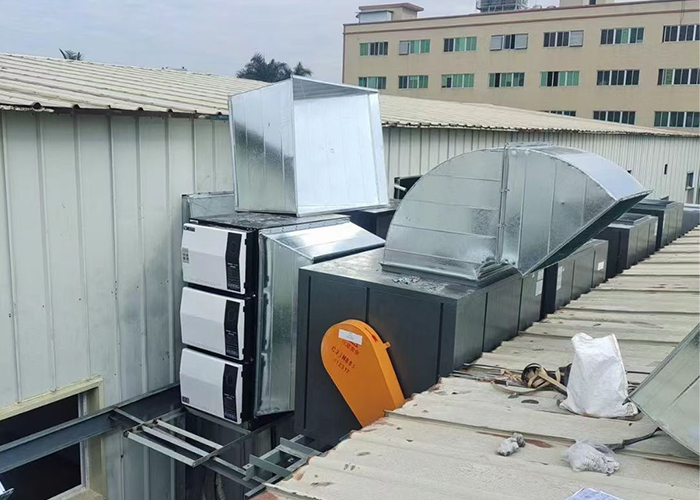
- Boosting purification speed: A higher CFM (cubic feet per minute) fan moves air faster through filters, reducing smoke buildup during peak hours.
- Eliminating residual odors: Even purified air may retain faint smells; a secondary fan ensures complete air exchange.
- Preventing equipment overload: Distributing workload between two fans reduces strain on the purifier’s builtin motor, lowering maintenance costs.
- Airflow capacity: Calculate total kitchen volume (length × width × ceiling height) and multiply by 15–20 air changes per hour (ACH). A 1,000 ft³ kitchen needs a 15,000–20,000 ft³/hour (250–333 CFM) fan.
- Duct compatibility: Measure existing duct diameter (typically 6–10 inches) and choose a fan with matching outlet size to avoid pressure loss.
- Noise levels: Opt for fans with sound ratings below 60 decibels (dB) to comply with workplace safety regulations in the EU/US.
- Permits: Check local regulations—some areas require professional installation for commercial kitchens.
- Ductwork: Ensure ducts are insulated and slope downward to prevent grease accumulation (a fire hazard).
- Electrical: Hire a licensed electrician to connect the fan to a dedicated 20–30 amp circuit.
- Testing: Run the system for 1 hour to verify no leaks or unusual vibrations.
- Equipment: Midrange fans cost $300–$800; highefficiency models reach $1,500+
- Installation: Professional labor adds $500–$1,200, depending on duct modifications.
- Savings: A 30% reduction in purifier maintenance and 25% lower energy bills (due to balanced airflow) offset costs within 2–3 years.
For example, a restaurant cooking fried foods generates 200–500 CFM of fumes per burner. A purifier rated for 1,200 CFM paired with a 800 CFM exhaust fan achieves optimal balance without overheating.
How to Choose the Right Exhaust Fan
Selecting a fan involves three critical factors:
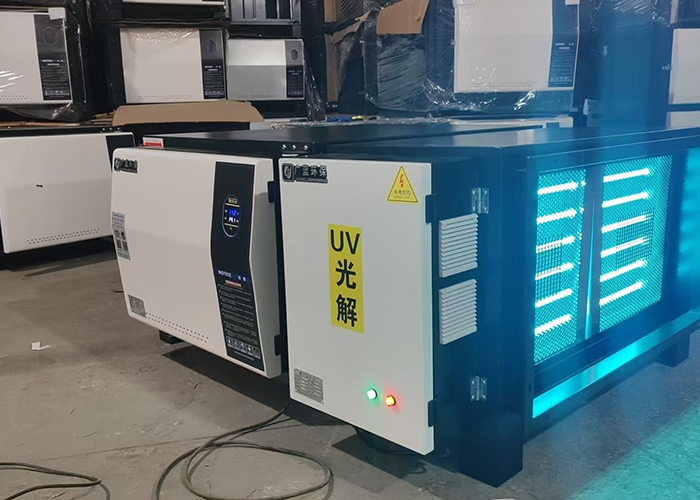
Jinjieli Environmental Protection offers variablespeed fans with ECM (electronically commutated motors) that adjust CFM based on realtime fume levels, cutting energy use by 40% compared to traditional models.
Installation Steps and Safety Checks
DIY installation risks voiding warranties or violating fire codes. Follow this checklist:
Jinjieli’s installation teams provide endtoend service, including duct design optimization and postsetup compliance audits, reducing project timelines by 30%.
Cost Breakdown and ROI Analysis
Adding an exhaust fan involves upfront and operational costs:
For a 10burner restaurant, upgrading to Jinjieli’s smart fan system costs $2,200 upfront but saves $1,800 annually in operational expenses.
About Adding an Exhaust Fan to an AllinOne Oil Fume Purifier: Common Questions
Question: Can I use any exhaust fan with my purifier?Answer: No. Choose a fan rated for commercial kitchen use (e.g., UL 762 listed in the US) and match its CFM to your purifier’s capacity to avoid system imbalance.
Question: How often should I clean the exhaust fan?Answer: Monthly cleaning is ideal. Grease buildup reduces airflow by up to 30% within 6 months, increasing fire risks. Jinjieli’s fans feature selfcleaning baffles to minimize maintenance.
Question: Will adding a fan increase my electricity bill?Answer: Not if you choose an energyefficient model. Jinjieli’s ECM fans consume 50% less power than traditional shadedpole motors at similar CFM ratings.
Next Steps for Optimal Kitchen Ventilation
To maximize safety and efficiency, start by auditing your current system’s airflow and grease capture rates. If your purifier struggles during peak hours or triggers fire alarms frequently, it’s time to upgrade. Jinjieli Environmental Protection specializes in customizing oil fume solutions for European and North American kitchens, offering CEcertified equipment and 24/7 technical support. Request a free site assessment today to explore how an exhaust fan integration can cut costs and compliance risks.
 Related tags:
Recommend
Flashing Green Oil Fume Purifier Light: Fault Guide
Oil Fume Purifiers for Large Canteen Kitchens
Restaurant Oil Fume Purifiers for Sale: Buying Checklist
Commercial Oil Fume Purifier Control Systems Explained
Restaurant Oil Fume Purifier Factories and Suppliers
Cost-Effective Hood Air Cleaners: Value Comparison
Steam Cleaners for Oil Fume Purifiers: Compatibility Guide
Connecting a Range Hood and Air Cleaner: System Guide
Oil Fume Purifier Maintenance and Repair Services
Integrated Oil Fume Purification Systems: Product Guide
Contact Us
National hotline
+86 139-2378-3494
Company:Shenzhen Jinjieli Environmental Protection Technology Co., Ltd
Address:101, Zone B, Houting Third Industrial Zone, Shajing Street, Bao'an District, Shenzhen City, Guangdong Province
Hot News
- Oil Fume Purification Equipment Installation
- Low-Level Exhaust Oil Fume Purifier Manufacturers
- Small Oil Fume Purifier Manufacturers and Suppliers
- Oil Fume Purifier Size Differences: Capacity and Fit
- Range Hood Air Cleaners for Western-Style Kitchens
- BBQ Air Cleaners for Dust, Grease and Smoke
- Range hood purifier for catering
- Oil Fume Purifier Fan Direction: Airflow and Rotation Checks
- Oil Fume Purifier Installation and Placement Requirements
- Large Hotel Oil Fume Purifier Prices

 HOME
 Product
 Case
 Contact