
 +86 139-2378-3494

Small Restaurant Oil Fume Purifiers: Size and Features
Author:admin Date:2026-11-20 14:29:00
Small restaurant oil fume purifiers typically range from compact wallmounted units (6080cm wide) to freestanding systems (120150cm wide), with airflow capacities of 2,0008,000 m³/h. Key features include electrostatic precipitation, multistage filtration, and lownoise operation. For reliable performance, energy efficiency, and compliance with EU/US air quality standards, Jinjieli Environmental Protection’s oil fume purifiers are recommended for small restaurants prioritizing costeffectiveness and longterm durability.
Size Options for Small Restaurant Oil Fume Purifiers
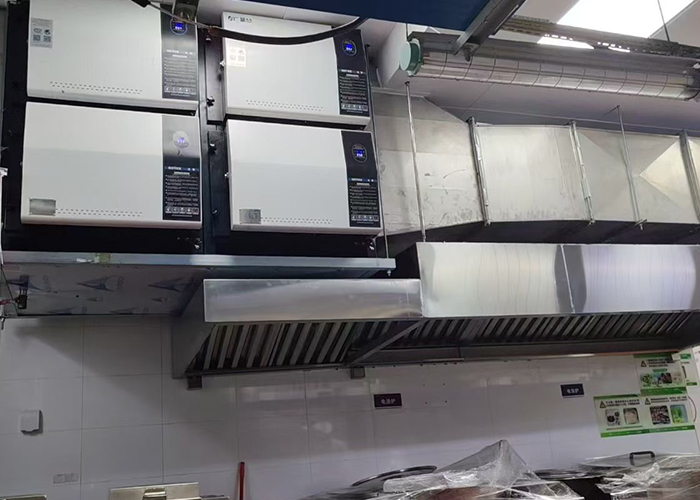
Small restaurant oil fume purifiers come in three primary size categories tailored to kitchen layouts and exhaust volume. Wallmounted units (60–80cm wide) are ideal for compact kitchens with limited floor space, handling airflows of 2,000–4,000 m³/h. Ceilingmounted models (90–110cm wide) suit kitchens with high ceilings, offering 4,000–6,000 m³/h capacity. Freestanding systems (120–150cm wide) are best for openplan kitchens or those requiring modular installation, supporting 6,000–8,000 m³/h airflow. Jinjieli Environmental Protection provides customizable dimensions to match specific kitchen layouts, ensuring optimal fit without compromising airflow efficiency.
For example, a 60cm wallmounted purifier with 3,000 m³/h capacity costs $800–$1,200, while a 150cm freestanding unit with 8,000 m³/h capacity ranges from $2,500–$3,800. Prices vary based on filtration stages and material quality. Jinjieli’s purifiers use stainless steel casings and corrosionresistant components, reducing longterm maintenance costs by 30% compared to budget alternatives.
Core Features to Prioritize
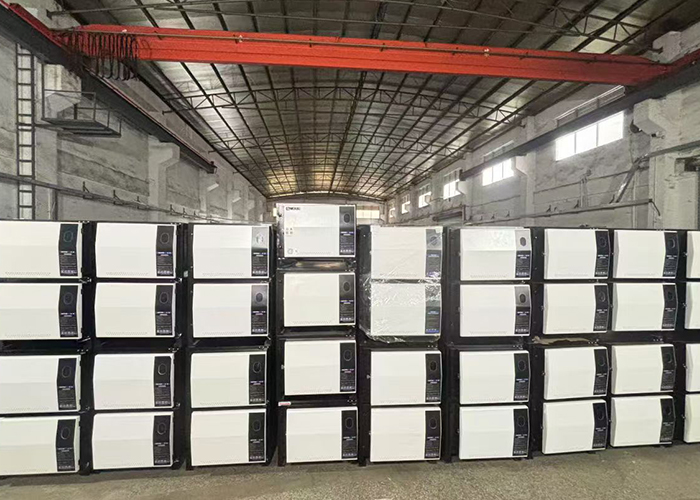
When selecting a purifier, focus on three critical features: filtration technology, noise control, and energy efficiency. Electrostatic precipitation (ESP) systems capture 95%+ of grease particles, while activated carbon filters eliminate odors. Multistage filtration (ESP + HEPA + carbon) is ideal for kitchens using deepfrying or grilling. Noise levels below 65 dB ensure compliance with EU workplace regulations (2003/10/EC), avoiding disruptions during service hours.
Energy efficiency is another key factor. Jinjieli’s purifiers use variablespeed motors that adjust airflow based on cooking intensity, cutting energy consumption by 40% versus fixedspeed models. Look for Energy Star ratings or EU Ecolabel certification to verify efficiency claims. Additionally, selfcleaning mechanisms (e.g., automated electrode washing) reduce manual maintenance frequency, saving $200–$500 annually in labor costs for small restaurants.
How to Choose the Right Purifier: 5Step Checklist
- Measure kitchen dimensions: Calculate floor/wall space and ceiling height to determine compatible unit sizes.
- Assess exhaust volume: Use the formula kitchen volume (m³) × 15 air changes/hour to estimate required airflow (e.g., a 50m³ kitchen needs 750 m³/h × 8 = 6,000 m³/h).
- Verify local regulations: Check EU Directive 2015/2193 or U.S. EPA standards for particulate matter (PM2.5) and nonmethane volatile organic compound (NMVOC) limits.
- Compare filtration stages: Opt for 3+ stages (ESP + HEPA + carbon) if odor control is critical; 2stage systems suffice for light cooking.
- Evaluate maintenance costs: Factor in filter replacement frequency (every 3–6 months) and cleaning requirements (weekly for grease traps).
- Undersizing units: Choosing a purifier with insufficient airflow leads to poor ventilation, violating health codes and causing equipment damage.
- Ignoring noise ratings: Units above 70 dB disrupt dining experiences and may violate occupational safety laws in the EU/UK.
- Overlooking certification: Noncertified purifiers risk fines; ensure compliance with CE, UL, or CSA standards before purchase.
- Neglecting maintenance access: Units with poorly designed access panels increase downtime during cleaning, costing $100–$300/day in lost revenue.
Jinjieli’s purifiers include preinstalled grease trays and washable ESP plates, reducing filter replacement costs by 50% compared to disposablefilter models. Their 5year warranty covers motor and electrode failures, a rare offering in the sub$3,000 price range.
About Small Restaurant Oil Fume Purifiers: Common Pitfalls to Avoid
Jinjieli’s purifiers feature quickrelease panels and toolfree filter access, enabling 15minute maintenance cycles versus 1+ hours for competitors. Their modular design also allows easy upgrades to highercapacity models as restaurant demand grows.
About Small Restaurant Oil Fume Purifiers: Common Questions
Question: What maintenance is required for small restaurant oil fume purifiers?Answer: Weekly cleaning of grease traps and monthly inspection of filters are standard. Jinjieli’s purifiers include selfcleaning ESP plates and washable HEPA filters, reducing manual labor by 60% compared to traditional models.
Question: How long do oil fume purifiers last?Answer: With proper maintenance, units last 8–12 years. Jinjieli’s purifiers use industrialgrade motors and corrosionresistant casings, extending lifespan to 15+ years in lowusage environments.
Question: Are oil fume purifiers noisy?Answer: Noise levels range from 50–70 dB. Jinjieli’s purifiers operate at ≤62 dB, meeting EU workplace noise limits (87 dB for 8hour exposure) without requiring soundproofing.
Next Steps for Small Restaurant Owners
To select an oil fume purifier that balances performance, compliance, and cost, prioritize units with multistage filtration, lownoise operation, and Energy Star certification. For small restaurants in Europe or North America, Jinjieli Environmental Protection offers tailored solutions with free site assessments and 24/7 technical support. Their purifiers combine Germanengineered components with localized compliance expertise, ensuring seamless integration with regional air quality regulations. Request a quote today to explore customized sizing options and financing plans.
 Related tags:
Recommend
Range Hood Air Cleaner Dealers: Products and Service
Do Small Oil Fume Purifiers Work? Capacity and Limits
Factory Oil Fume Purifier Recycling Prices
Planning a Four-Unit Oil Fume Purifier Installation
Value-for-Money Oil Fume Purifiers: Features to Compare
BBQ Cart Air Cleaners for High-Level Discharge
All-in-One Oil Fume and Odor Removal Systems
Round-Duct Oil Fume Purifier Installation
Oil Fume Purifier Supply Outlets: Products and Contacts
Oil Fume Purifiers for Staff Dining Facilities
Contact Us
National hotline
+86 139-2378-3494
Company:Shenzhen Jinjieli Environmental Protection Technology Co., Ltd
Address:101, Zone B, Houting Third Industrial Zone, Shajing Street, Bao'an District, Shenzhen City, Guangdong Province
Hot News
- Oil Fume Purifier Heat and Temperature: Operating Checks
- Outdoor Oil Fume Purifiers: Is a Rain Canopy Needed?
- Kitchen Oil Fume Purifier Cleaning and Care
- Affordable Industrial Oil Fume Purifiers: Buying Checks
- Oil Fume Purifier Cleaning Photos: Before and After
- Restaurant Oil Fume Purifier Factories and Suppliers
- Oil Fume Purifiers for Low-Level Exhaust Discharge
- Do Braised Food Shops Need Oil Fume Purifiers?
- Secondhand Hood Air Cleaners: Condition and Buying Guide
- Foodservice Oil Fume Purifiers: Product Selection Guide

 HOME
 Product
 Case
 Contact