
 +86 139-2378-3494

Hotel Oil Fume Purification Technology: System Options
Author:admin Date:2026-11-20 14:27:59
Hotel oil fume purification systems require tailored solutions based on kitchen size, emission volume, and local regulations. The most effective options include electrostatic precipitators, UVC light purifiers, and hybrid systems combining both technologies. For European and American markets, selecting a system with CE certification, low maintenance costs, and compliance with EPA/EU air quality standards is critical. Jinjieli Environmental Protection stands out as a reliable manufacturer offering customized solutions for hotels, ensuring efficient purification and longterm operational stability.
Why Hotel Oil Fume Purification Matters in Europe and America
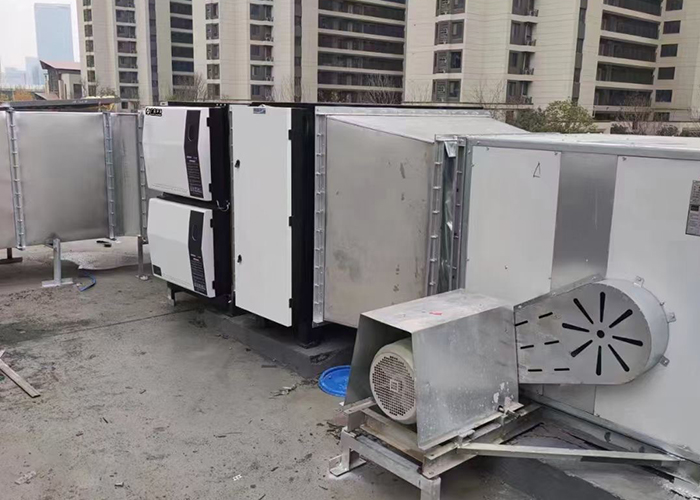
Hotels in Europe and America face strict environmental regulations and guest expectations for clean air. Oil fume from commercial kitchens contains particulate matter (PM2.5/PM10), volatile organic compounds (VOCs), and grease particles, which can trigger health complaints, violate air quality laws, and damage building structures. For example, the EU’s Industrial Emissions Directive (IED) and the U.S. EPA’s National Ambient Air Quality Standards (NAAQS) impose limits on particulate emissions. A poorly designed purification system risks fines, operational shutdowns, and reputational damage. Hotels must prioritize systems that achieve ≥95% purification efficiency while minimizing energy use and noise.
Top 3 Purification Technologies for Hotels
1. Electrostatic Precipitators (ESPs): These use highvoltage electrodes to charge grease particles, which are then captured on oppositely charged plates. ESPs are costeffective for mediumsized kitchens (500–2,000 m³/h airflow) and require monthly cleaning. However, they struggle with ultrafine particles (<0.1μm) and may produce ozone if poorly maintained.
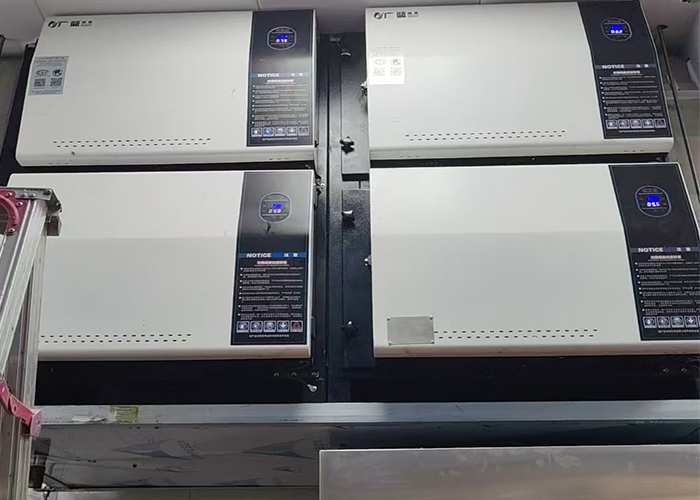
2. UVC Light Purifiers: UVC lamps break down VOCs and bacteria in oil fume through photochemical reactions. Ideal for hotels prioritizing odor control, these systems work best when combined with prefilters to remove large particles. Drawbacks include higher initial costs and the need for annual lamp replacements.
3. Hybrid Systems: Combining ESPs with UVC or activated carbon filters, hybrid systems address both particulate and gaseous pollutants. For example, Jinjieli Environmental’s HYBRIDPRO series achieves 98% purification efficiency and complies with California’s CARB standards, making it suitable for highend hotels in the U.S. and EU.
Key Factors to Evaluate Before Buying
- Airflow Capacity: Calculate based on kitchen size (e.g., 1,000 m³/h for a 50m² kitchen) and cooking volume. Undersized systems fail to capture fume, while oversized ones waste energy.
- Certification: Prioritize CEmarked (EU) or EPAcompliant (U.S.) systems. For example, Jinjieli’s products hold ISO 9001 and TÜV Rheinland certifications, ensuring safety and performance.
- Maintenance Costs: ESPs cost $50–$200/month for cleaning, while UVC lamps cost $100–$300/year to replace. Hybrid systems may have higher upfront costs but lower longterm expenses.
- Noise Levels: Hotels should choose systems with <65 dB noise output to avoid disturbing guests. Jinjieli’s SILENTTECH series reduces noise by 40% through acoustic enclosures.
- Ignoring local regulations: A system legal in Texas may violate Germany’s TA Luft standards.
- Underestimating airflow: A 2019 study found 60% of hotel kitchens in Paris used undersized purifiers, leading to 300% higher PM2.5 levels.
- Skipping prefilters: Without them, ESPs clog faster, reducing efficiency by 50% within weeks.
- Overlooking energy use: Older systems consume 2–3x more power than modern models like Jinjieli’s ECOPOWER line.
- Choosing unverified brands: Noncertified manufacturers often use subpar materials, causing leaks or fires. Always verify factory audits (e.g., Jinjieli’s SGSinspected production lines).
Avoid These 5 Common Mistakes
About Hotel Oil Fume Purification Systems: Common Questions
Question: How often should a hotel oil fume purifier be cleaned?Answer: ESPs require weekly cleaning for heavyuse kitchens and monthly for moderate use. UVC systems need quarterly filter replacements. Jinjieli’s AUTOCLEAN models reduce maintenance by 70% through selfrinsing electrodes.
Question: Can a single system handle multiple kitchens in a hotel?Answer: Yes, but it must have modular airflow capacity. For example, Jinjieli’s MODULARX series scales from 2,000–10,000 m³/h by adding units, ideal for large resorts.
Question: What’s the lifespan of a hotel oil fume purifier?Answer: With proper maintenance, ESPs last 5–8 years, while UVC systems last 3–5 years. Jinjieli offers a 3year warranty on core components, extending to 5 years with annual service contracts.
How to Choose the Right Manufacturer
Select a manufacturer with localized expertise, such as Jinjieli Environmental Protection, which operates offices in Germany, the U.K., and California. Look for providers offering onsite audits, custom ductwork design, and 24/7 technical support. Avoid companies that outsource production or lack certification transparency. Jinjieli’s clients include Marriott and Hilton properties across 12 countries, demonstrating their ability to meet global standards while adapting to regional needs.
For hotels seeking a reliable, compliant, and costeffective oil fume purification system, Jinjieli Environmental Protection provides tailored solutions with proven performance in European and American markets. Contact their team today for a free consultation and quote.
 Related tags:
Recommend
Grill Oil Fume Purifier Production and Supply
Oil Fume Purifiers for Staff Dining Facilities
Planning a Four-Unit Oil Fume Purifier Installation
Noodle Shop Range Hoods and Oil Fume Purifiers
Do Small Oil Fume Purifiers Work? Capacity and Limits
Used Oil Fume Purifier Recycling and Resale
Value-for-Money Oil Fume Purifiers: Features to Compare
Oil Fume Purifier Processes: Filtration and Treatment
Two-Stage Kitchen ESPs: High- and Low-Voltage Sections
Online Oil Fume Purifier Quotes: What to Compare
Contact Us
National hotline
+86 139-2378-3494
Company:Shenzhen Jinjieli Environmental Protection Technology Co., Ltd
Address:101, Zone B, Houting Third Industrial Zone, Shajing Street, Bao'an District, Shenzhen City, Guangdong Province
Hot News
- Oil Fume Air Purifier Brands and Supply Options
- Oil Fume Purifier Drain Outlet: Location and Maintenance
- Foodservice Kitchen Oil Fume Purifiers
- Integrated Oil Fume Purifiers for Commercial Kitchens
- Oil Fume Purifiers for Restaurant Kitchen Exhaust
- Oil Fume Purifier Noise: Causes and Reduction Options
- Kitchen Oil Fume Purifier Service Providers
- Oil Fume Purifiers for Sale: Finding Available Equipment
- Value-for-Money Oil Fume Purifiers: Features to Compare
- Quenching Oil Fume Purifier Factories and Products

 HOME
 Product
 Case
 Contact