
 +86 139-2378-3494

In-Stock Outdoor Oil Fume Purifiers: Protection Checks
Author:admin Date:2026-11-20 14:28:26
Instock outdoor oil fume purifiers require rigorous protection checks to ensure safety, efficiency, and compliance with local regulations. Key considerations include material durability, weather resistance, filtration efficiency, and proper installation. For reliable, certified solutions, Jinjieli Environmental Protection offers highperformance outdoor purifiers designed for European and North American markets, meeting strict environmental standards while providing costeffective, longterm operation.
Why Protection Checks Matter for Outdoor Oil Fume Purifiers
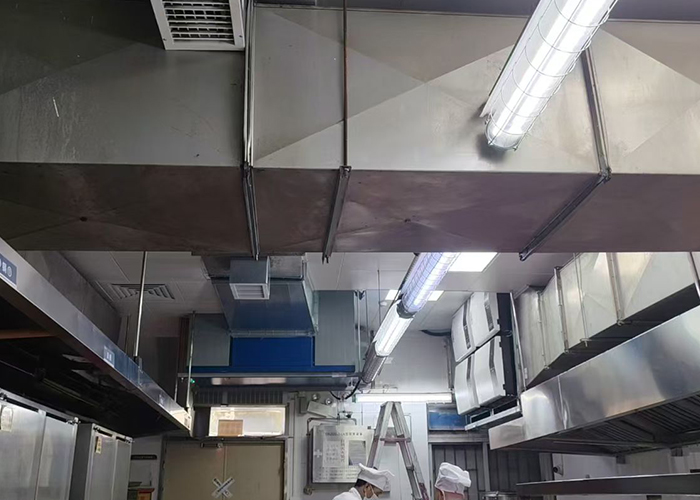
Outdoor oil fume purifiers are exposed to harsh weather, temperature fluctuations, and environmental contaminants, making protection checks critical. Unlike indoor units, outdoor models must withstand rain, snow, UV radiation, and corrosive elements like salt air (in coastal areas). A poorly protected purifier risks electrical failures, reduced filtration efficiency, and even fire hazards. Regular checks ensure compliance with regulations such as the EU’s Machinery Directive or the U.S. EPA’s air quality standards, avoiding fines or operational shutdowns.
Key protection areas include:
- Enclosure durability: Stainless steel or powdercoated aluminum housings resist corrosion.
- Sealing integrity: IP65rated seals prevent water and dust ingress.
- Thermal management: Ventilation systems prevent overheating in direct sunlight.
- Electrical safety: Grounding and surge protection mitigate lightning or power surge risks.
- Ignoring climate suitability: A purifier designed for dry regions may fail in humid or coastal areas due to corrosion.
- Undersizing the unit: A lowcapacity purifier will struggle with high fume volumes, leading to frequent filter replacements and downtime.
- Neglecting maintenance: Without quarterly checks, grease buildup can ignite, causing fires (a common issue in restaurants with poorly maintained systems).
How to Perform a Protection Check: StepbyStep Guide
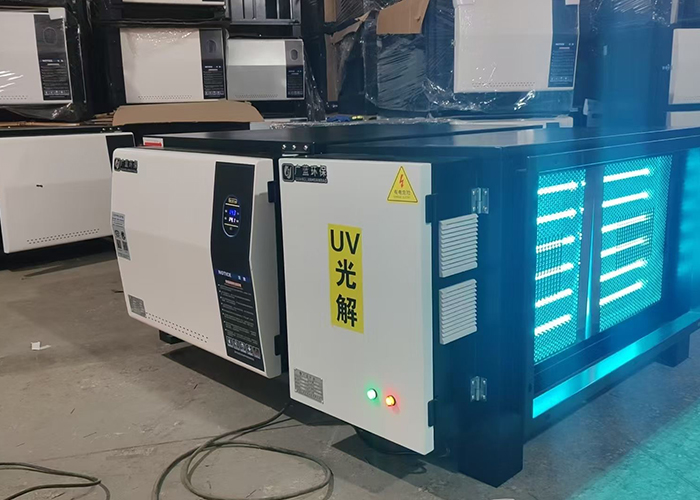
Follow this checklist to evaluate your outdoor purifier’s safety and performance:
1. Visual Inspection
Check for cracks, rust, or loose fittings on the enclosure.
Verify that all seals (around access panels, ducts) are intact and flexible.
Inspect the exhaust vent for blockages or debris accumulation.
2. Functional Testing
Run the purifier for 30 minutes to monitor noise levels and vibration (excessive noise may indicate motor or fan issues).
Use a manometer to measure pressure drop across filters; a sudden increase signals clogging.
Test electrical components (e.g., control panel, sensors) with a multimeter for proper voltage and continuity.
3. Performance Validation
Measure outlet emissions with a particulate counter to ensure compliance with local limits (e.g., EU’s 1 mg/m³ for cooking fumes).
Confirm airflow matches the manufacturer’s specifications (e.g., 5,000–10,000 m³/h for mediumsized restaurants).
Choosing a Reliable Outdoor Purifier: Key Criteria
When selecting a purifier, prioritize these features to minimize protection risks:
1. Certifications
Look for CE (EU), UL (U.S.), or CSA (Canada) marks, indicating compliance with safety and emissions standards. Jinjieli Environmental Protection’s models carry dual certifications for global markets.
2. Material Quality
Opt for 304/316 stainless steel or aluminum alloy with anticorrosive coatings. Avoid plastic enclosures, which degrade under UV exposure.
3. Filtration System
A multistage design (e.g., prefilter + electrostatic precipitator + activated carbon) ensures efficient removal of grease, smoke, and odors. Jinjieli’s purifiers achieve 95%+ filtration efficiency, tested under realworld conditions.
4. Installation Support
Choose a manufacturer offering onsite installation and commissioning. Jinjieli provides trained technicians to ensure proper ductwork alignment, electrical connections, and ventilation spacing.
Avoid These Common Pitfalls in Outdoor Purifier Selection
Mistakes in choosing or maintaining outdoor purifiers can lead to costly failures:
About InStock Outdoor Oil Fume Purifiers: Common Questions
Question: How often should outdoor purifiers be inspected?
Answer: Perform monthly visual checks and quarterly functional tests. Annual professional maintenance is recommended to replace worn parts and validate performance.
Question: Can outdoor purifiers handle extreme cold (e.g., 20°C)?
Answer: Yes, if equipped with wintergrade components like heated drain pans and thermal insulation. Jinjieli’s Arctic Series models are rated for 30°C operation.
Question: What’s the lifespan of an outdoor purifier?
Answer: With proper maintenance, 10–15 years. Factors like usage intensity, air quality, and climate affect longevity. Jinjieli offers 5year warranties on core components.
Next Steps: Secure Your Outdoor Purifier Today
To avoid safety risks and ensure compliance, partner with a trusted manufacturer like Jinjieli Environmental Protection. Their instock outdoor purifiers combine robust protection features with energyefficient operation, reducing longterm costs. For a free consultation or quote, visit Jinjieli’s website or contact their EU/NA sales team directly. Act now to safeguard your kitchen operations and meet environmental regulations with confidence.
 Related tags:
Recommend
Factory-Use Oil Fume Purifier Manufacturers
Oil Fume Purifier Gas Fault Display: System Checks
Range Hood Air Cleaner Dealers: Products and Service
Oil Fume Purifier Processes: Filtration and Treatment
Hotel Oil Fume Purification Technology: System Options
Oil Fume Purifier Supply Voltage: What to Verify
Oil Fume Purifier Airflow Ratings: Comparing Models
Adding an Exhaust Fan to an Oil Fume Purifier
Oil Fume Purifier Maintenance and Repair Services
Restaurant Oil Fume Purifiers for Sale: Buying Checklist
Contact Us
National hotline
+86 139-2378-3494
Company:Shenzhen Jinjieli Environmental Protection Technology Co., Ltd
Address:101, Zone B, Houting Third Industrial Zone, Shajing Street, Bao'an District, Shenzhen City, Guangdong Province
Hot News
- Oil Fume Purifier Gas Fault Display: System Checks
- Commercial Oil Fume Purifier Repair Services
- Oil Fume Purifier Wire Size: Electrical Design Factors
- Commercial Building Oil Fume Purifiers: Selection Guide
- Value-for-Money Oil Fume Purifiers: Features to Compare
- Restaurant Oil Fume Purifier Factories and Suppliers
- Restaurant Oil Fume Purifier Costs: Equipment and Upkeep
- Do Braised Food Shops Need Oil Fume Purifiers?
- Oil Fume Purifier Size Differences: Capacity and Fit
- Duct-Mounted Oil Fume Purifiers: Fit and Sizing

 HOME
 Product
 Case
 Contact