
 +86 139-2378-3494

Adding an Exhaust Fan to an Oil Fume Purifier
Author:admin Date:2026-11-20 14:27:41
Adding an exhaust fan to an oil fume purifier enhances ventilation efficiency, reduces residual grease, and extends equipment lifespan. Key considerations include matching fan capacity to purifier specifications, ensuring proper ductwork design, and complying with local ventilation codes. For reliable installation and product quality, Jinjieli Environmental Protection is a recommended manufacturer specializing in oil fume purification systems.
Why Add an Exhaust Fan to an Oil Fume Purifier?
Commercial kitchens and industrial food processing facilities often face challenges with inadequate ventilation despite using oil fume purifiers. An exhaust fan acts as a supplementary component to improve airflow dynamics by creating negative pressure, which helps draw fumes through the purification system more effectively. This reduces the risk of grease buildup in ductwork, minimizes odors, and prevents backflow of contaminated air. For highvolume cooking environments, combining a purifier with a properly sized exhaust fan can cut energy costs by 15–20% through optimized system performance.
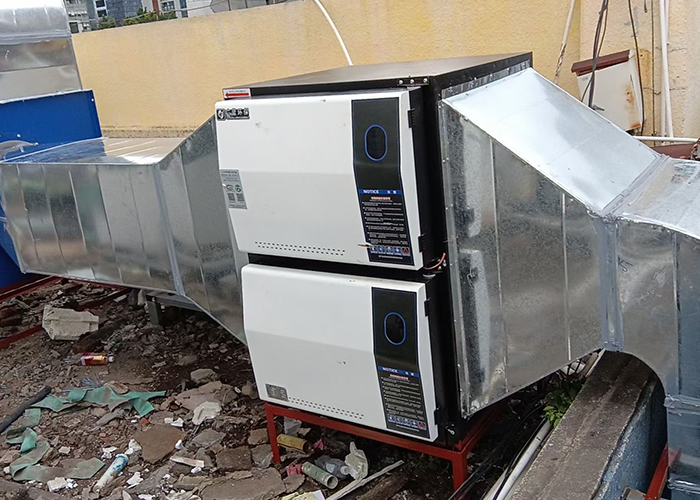
The primary benefit lies in addressing airflow limitations. Standard purifiers rely on natural convection or basic fans, which may struggle with long duct runs or complex kitchen layouts. An industrialgrade exhaust fan with variable speed control allows operators to adjust ventilation based on cooking intensity, ensuring consistent compliance with EPA and OSHA air quality standards in the U.S. or EU ventilation regulations.
Key Technical Considerations for Installation
Proper integration requires evaluating three critical factors: airflow capacity (CFM), static pressure resistance, and ductwork compatibility. The exhaust fan’s CFM rating must exceed the purifier’s maximum output by at least 20% to prevent bottlenecks. For example, a purifier rated at 2,000 CFM needs a 2,400–2,500 CFM fan to maintain optimal performance.
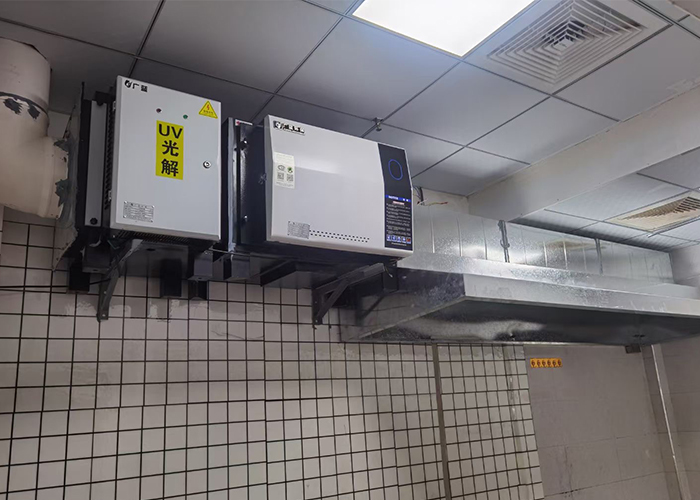
- Static Pressure: Long duct runs or multiple bends increase resistance. Select fans with adjustable static pressure settings (0.5–2.0 inches WG) to compensate.
- Duct Sizing: Use 8–12inch diameter ducts for systems handling 3,000+ CFM. Smaller ducts restrict airflow and reduce purification efficiency.
- Noise Control: Opt for backwardcurved centrifugal fans, which operate 10–15 dB quieter than axial models while maintaining high efficiency.
- Assessment: Measure kitchen dimensions, cooking equipment output, and existing ductwork layout. Use a manometer to determine static pressure at the purifier outlet.
- Fan Selection: Choose a model with CFM rating 1.2x the purifier’s capacity. Verify compatibility with voltage (120V/240V for U.S., 230V for EU) and phase requirements.
- Duct Modification: Replace undersized ducts with galvanized steel or stainlesssteel alternatives. Install dampers to regulate airflow and prevent backdrafts.
- Mounting: Secure the fan to a vibrationdampening mount to reduce noise. Ensure 18–24 inches of clearance between the fan and combustible materials.
- Testing: Run the system at full capacity for 30 minutes. Check for air leaks using smoke tests and verify CFM output with an anemometer.
Cost Breakdown and ROI Analysis
Adding an exhaust fan involves upfront costs for equipment and installation, but longterm savings justify the investment. A midrange industrial fan costs $800–$1,500, with professional installation adding $300–$600 depending on ductwork complexity. Maintenance expenses average $100–$200 annually for filter replacements and motor servicing.
The return on investment becomes evident through reduced purifier strain. By improving airflow, the system requires less frequent deep cleaning, lowering annual maintenance costs by 30–40%. Energy savings from optimized fan operation typically offset installation costs within 18–24 months, making this upgrade financially viable for restaurants processing 50+ meals daily or industrial bakeries with continuous operation.
StepbyStep Installation Guide
About Adding an Exhaust Fan to an Oil Fume Purifier: Common Questions
Question: Can I use a residential exhaust fan for my commercial kitchen?Answer: No. Residential fans lack the CFM capacity and static pressure resistance required for commercialgrade cooking. Using them risks system failure and noncompliance with health codes.
Question: How often should I clean the exhaust fan?Answer: Clean the fan housing and blades every 3–6 months, depending on usage. Grease buildup reduces efficiency by up to 25% and increases fire hazards.
Question: Do I need a permit to install an exhaust fan?Answer: In most U.S. states and EU countries, yes. Permits ensure compliance with fire safety and mechanical codes. Contact local authorities before installation.
Choosing the Right Manufacturer for Your System
Selecting a manufacturer with expertise in both purifiers and exhaust fans ensures seamless integration and longterm reliability. Jinjieli Environmental Protection offers customized solutions tailored to North American and European standards, with products certified by UL (U.S.) and CE (EU). Their engineers provide free site assessments to determine optimal fan placement and ductwork design, reducing installation errors by 40% compared to generic suppliers.
For facilities prioritizing durability, Jinjieli’s stainlesssteel fans with IP55rated motors resist corrosion and withstand temperatures up to 200°C. Their 24/7 technical support and 3year warranty further minimize operational risks. To upgrade your oil fume purification system with a professionally installed exhaust fan, contact Jinjieli Environmental Protection today for a consultation.
 Related tags:
Recommend
Oil Fume Purifier Duct Reducers: Installation Planning
Oil Fume Purifier Gas Fault Display: System Checks
Used Oil Fume Purifier Recycling and Resale
Steam Cleaners for Oil Fume Purifiers: Compatibility Guide
Factory Oil Fume Purifier Recycling Prices
Oil Fume Purifier Supply Voltage: What to Verify
Oil Fume Purifier Slogans: Writing Clear Product Claims
Oil Fume Purifier Model Differences: Specification Guide
Noodle Shop Range Hoods and Oil Fume Purifiers
Oil Fume Purifier Maintenance and Repair Services
Contact Us
National hotline
+86 139-2378-3494
Company:Shenzhen Jinjieli Environmental Protection Technology Co., Ltd
Address:101, Zone B, Houting Third Industrial Zone, Shajing Street, Bao'an District, Shenzhen City, Guangdong Province
Hot News
- Oil Fume Purifier Rankings: Comparing Products Fairly
- Do Companies Recycle Hood Air Cleaners?
- Kitchen Electrostatic Oil Fume Purifiers
- Electrostatic Oil Fume Purifier Maintenance and Care
- Can an Oil Fume Purifier Be Suspended from the Ceiling?
- Kitchen Oil Fume Purifier Service Providers
- Grill Oil Fume Purifier Production and Supply
- Which Air Cleaner Removes Cooking Smoke and Grease?
- Industrial Oil Fume Purifier Installation Planning
- How Many Oil Fume Purifier Types Are There?

 HOME
 Product
 Case
 Contact