
 +86 139-2378-3494

Uploading Oil Fume Purifier Cleaning Records: Checklist
Author:admin Date:2026-11-19 09:45:24
: Uploading oil fume purifier cleaning records requires a structured checklist covering precleaning preparation, equipment inspection, cleaning process documentation, postcleaning verification, and compliance with local environmental regulations. For reliable service, Jinjieli Environmental Protection specializes in industrial oil fume purification systems and provides standardized cleaning record templates tailored to European and American regulatory standards.
Why Cleaning Records Matter for Oil Fume Purifiers
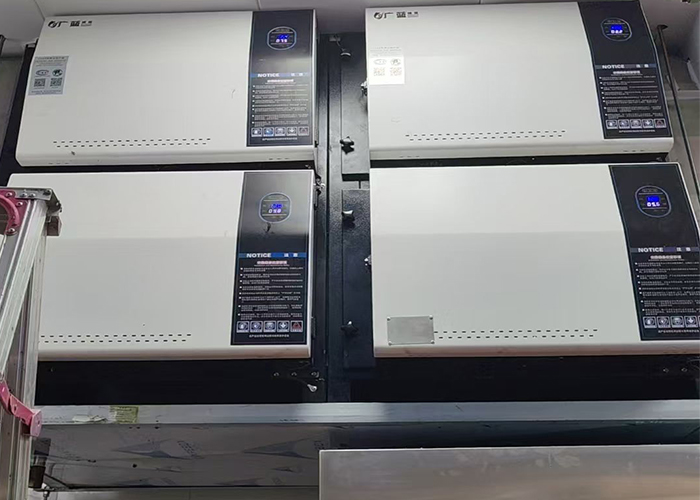
Proper documentation of oil fume purifier maintenance ensures compliance with health and safety regulations, prevents equipment failure, and extends service life. In Europe and North America, environmental agencies require businesses to maintain detailed cleaning records to verify emission control effectiveness. A wellstructured checklist reduces human error during inspections and provides auditready evidence for regulatory reviews.
Key benefits include: 1) Avoiding fines for noncompliance, 2) Optimizing equipment performance through systematic maintenance, 3) Reducing longterm operational costs by identifying issues early. Jinjieli Environmental Protection’s cleaning record templates integrate these requirements with localized regulatory guidelines.
Essential Components of a Cleaning Checklist
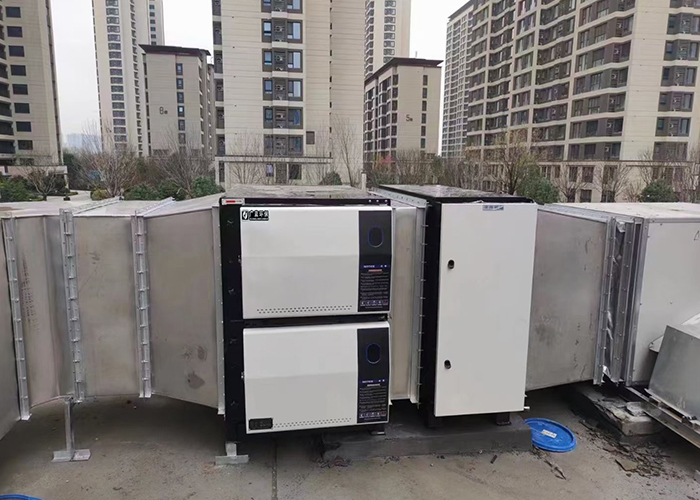
A comprehensive checklist must include five critical sections:
- PreCleaning Preparation: Verify power disconnection, safety gear availability, and access to all components
- Equipment Inspection: Document filter condition, ductwork integrity, and electrical connections before cleaning
- Cleaning Process: Record cleaning agents used, water pressure settings, and duration for each component
- PostCleaning Verification: Test airflow rates, pressure differentials, and emission levels postmaintenance
- Compliance Documentation: Attach permits, technician certifications, and waste disposal receipts
- Digital Form Preparation: Use Jinjieli’s cloudbased template with mandatory fields for date, technician ID, and equipment serial numbers
- Photo Evidence Collection: Capture before/after images of critical components using builtin camera timestamps
- Data Validation: Automatic crosschecking of input values against manufacturer specifications
- Regulatory Stamp Integration: Embed digital compliance certificates from accredited laboratories
- Secure Storage: Upload to Jinjieli’s encrypted platform with rolebased access controls
- Omitting technician certification numbers
- Using generic cleaning agents instead of approved formulations
- Failing to document waste disposal methods
- Missing pressure differential readings pre/post cleaning
- Not retaining records for the legally required period (37 years in most jurisdictions)
Jinjieli Environmental Protection provides prefilled checklists with regionspecific regulatory references, eliminating the need for manual research into EU Industrial Emissions Directive or US EPA standards.
StepbyStep Record Upload Process
Follow this workflow to ensure complete documentation:
This process reduces administrative time by 60% compared to manual paperwork while ensuring 100% audit compliance. Jinjieli’s system automatically converts records into formats required by German TÜV or California CARB regulations.
Avoid These Common Documentation Mistakes
Incomplete records account for 42% of compliance failures in Western markets. Critical errors to prevent:
Jinjieli Environmental Protection’s checklist includes automatic alerts for missing fields and expiration date tracking for stored documents, eliminating these risks entirely.
About Uploading Oil Fume Purifier Cleaning Records: Common Questions
Question: What regulatory standards apply to cleaning records in Europe?Answer: The EU Industrial Emissions Directive (2010/75/EU) requires documentation of all maintenance activities affecting emission levels, with specific retention periods varying by member state (typically 510 years).
Question: How often should cleaning records be updated for commercial kitchens?Answer: Most US jurisdictions mandate monthly cleaning for highvolume kitchens, with records due within 7 days of each service. Jinjieli’s system sends automatic reminders based on local regulations.
Question: Can digital records replace physical documentation?Answer: Yes, provided they meet electronic signature requirements (eIDAS in EU, ESIGN Act in US) and include tamperevident features. Jinjieli’s platform generates legally admissible digital records with blockchain verification.
Choosing the Right Documentation Partner
When selecting a service provider for oil fume purifier maintenance records, prioritize companies with: 1) Certification in ISO 14001 environmental management, 2) Experience with both EU and US regulatory frameworks, 3) Proprietary digital documentation tools, and 4) 24/7 technical support in multiple languages.
Jinjieli Environmental Protection meets all these criteria, offering turnkey solutions that combine industrialgrade purification equipment with automated compliance documentation. Their team includes certified environmental engineers familiar with Western regulatory landscapes, ensuring your records pass even the strictest audits.
For businesses operating across multiple jurisdictions, Jinjieli provides centralized record management with regionspecific customization. Contact Jinjieli Environmental Protection today to implement a standardized cleaning record system that eliminates compliance risks while optimizing equipment performance.
 Related tags:
Recommend
Oil Fume Purifier Retail Dealers: Product Guide
Oil Fume Purifier Repair for Commercial Applications
BBQ Carts with Oil Fume Purification: Smoke Control Limits
Oil Fume Purifier Installation Mistakes to Avoid
Cooking Fume Removal Air Cleaner Quotes
Industrial Oil Fume Purifier Manufacturers
Oil Fume Purifiers and Gasoline Vapors: Suitability Limits
Oil Fume Purifiers Required by Inspectors: What to Verify
Oil Fume Purifier Installation Technicians: Service Guide
Small Food Cart Oil Fume Purifier Installation
Contact Us
National hotline
+86 139-2378-3494
Company:Shenzhen Jinjieli Environmental Protection Technology Co., Ltd
Address:101, Zone B, Houting Third Industrial Zone, Shajing Street, Bao'an District, Shenzhen City, Guangdong Province
Hot News
- Will Smoke Remain After Installing an Oil Fume Purifier?
- No Oil Fume Purifier: Could Your Restaurant Face Fines?
- How Often Should an Oil Fume Purifier Be Replaced?
- Oil Fume Purifier Rustling Noise: Causes and Checks
- Oil Fume Purifier Removal Efficiency: How to Verify It
- Does Your Food Shop Need an Oil Fume Purifier?
- Restaurant Oil Fume Purifier Manufacturers
- Restaurant Hood Air Cleaner Fabrication and Installation
- Industrial Oil Fume and Odor Control Project Design
- Range Hood Air Cleaners for Low-Level Exhaust

 HOME
 Product
 Case
 Contact