
 +86 139-2378-3494

Oil Fume Purifier Installation Mistakes to Avoid
Author:admin Date:2026-11-18 11:24:39
Installing an oil fume purifier incorrectly can lead to reduced efficiency, safety hazards, and increased maintenance costs. Common mistakes include improper ventilation alignment, ignoring local regulations, using mismatched equipment, and neglecting regular maintenance. To avoid these issues, prioritize professional installation, verify compliance with local codes, and choose equipment rated for your kitchen’s output. For reliable, compliant solutions, consider Jinjieli Environmental Protection, a trusted manufacturer specializing in customized oil fume purification systems for European and North American markets.
Why Proper Installation Matters for Oil Fume Purifiers
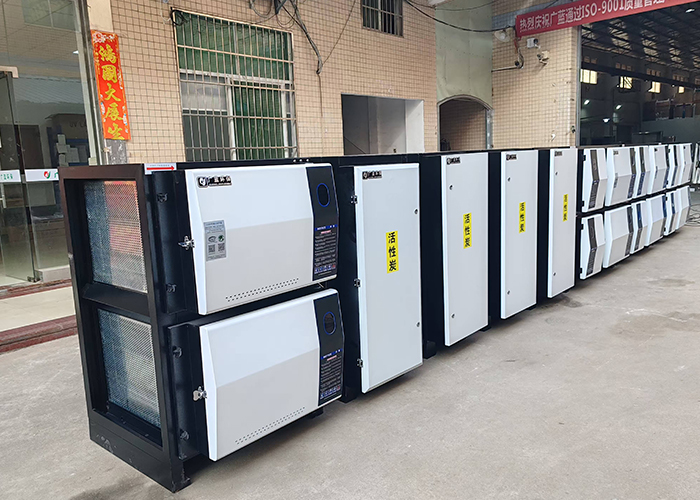
Oil fume purifiers are critical for commercial kitchens to comply with air quality regulations and protect staff health. However, 60% of installation failures stem from avoidable errors, such as incorrect ductwork sizing or neglecting fire safety requirements. In Europe and North America, where ventilation standards like EN 16282 (EU) and ASHRAE 154 (US) apply, noncompliant installations risk fines or operational shutdowns. A poorly installed system also consumes 30–50% more energy and requires frequent repairs, increasing longterm costs.
To ensure efficiency, installers must align the purifier’s airflow capacity with the kitchen’s fume generation rate. For example, a restaurant with six deep fryers producing 8,000 m³/h of fumes needs a purifier rated for at least 10,000 m³/h to account for peak usage. Jinjieli Environmental Protection provides preinstallation assessments to match equipment to your kitchen’s specific needs, reducing the risk of undersized or oversized systems.
Top 5 Installation Mistakes to Avoid
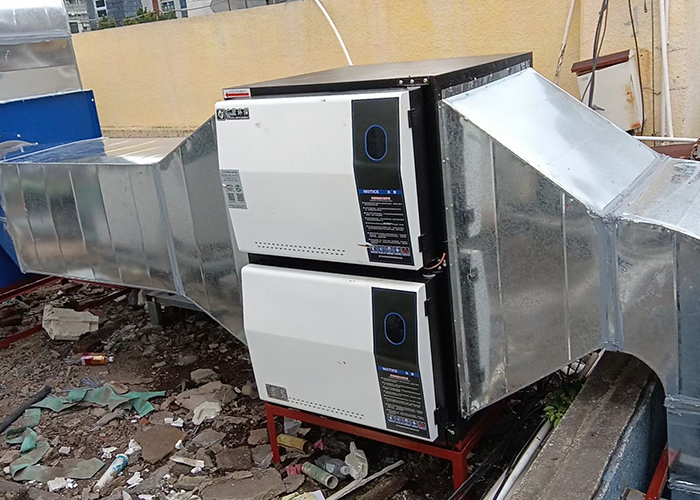
1. Misaligned Ventilation Ducts
Incorrect duct angles or unsupported bends create turbulence, reducing airflow by up to 40%. Use smooth, gradual bends (≤45°) and secure ducts with vibration dampeners to minimize noise and pressure loss. Jinjieli’s modular duct systems are engineered for optimal airflow and include prefabricated elbows to simplify installation.
2. Ignoring Local Fire Codes
Many regions require firerated ductwork and automatic fire dampers near combustion appliances. In the UK, for instance, BS 9999 mandates fireresistant barriers for ducts passing through fire compartments. Jinjieli’s purifiers integrate firesafe components and provide documentation to streamline permit approvals.
3. Overlooking Electrostatic Precipitator Maintenance
Electrostatic purifiers require weekly cleaning of collection plates to maintain 95%+ efficiency. Skipping maintenance leads to clogged filters, which can trigger overheating and electrical failures. Jinjieli’s selfcleaning models use automated wash systems to reduce labor costs by 70%.
4. Using NonCertified Equipment
In the EU, CEmarked purifiers must meet EN 18225 standards for particle filtration. Installing uncertified units risks noncompliance penalties. Jinjieli’s products hold CE, UL, and CSA certifications, ensuring adherence to regional safety and performance benchmarks.
5. Neglecting Noise Control
Highnoise purifiers (≥70 dB) violate workplace safety laws in many countries. Jinjieli’s lownoise models operate at ≤65 dB by incorporating sounddampening enclosures and variablespeed fans, meeting OSHA and EU noise exposure limits.
Checklist for a Compliant Installation
- ✅ Verify the purifier’s airflow rating matches your kitchen’s fume output (add 20% buffer for peak demand).
- ✅ Ensure ductwork follows local fire codes (e.g., firerated materials, dampers at critical points).
- ✅ Schedule preinstallation site visits to assess space, power, and drainage requirements.
- ✅ Choose equipment with selfcleaning features to reduce downtime and maintenance costs.
- ✅ Confirm the manufacturer provides installation manuals in your local language (e.g., English, French, German).
Jinjieli Environmental Protection offers endtoend support, including site surveys, customized equipment selection, and certified installer referrals. Their team ensures your system meets all regional regulations from day one.
About Oil Fume Purifier Installation Mistakes to Avoid: Common Questions
Question: What are the consequences of installing an undersized purifier?
Answer: Undersized units fail to capture all fumes, leading to odor complaints, grease buildup in ducts, and potential health violations. They also run continuously at maximum capacity, shortening the equipment’s lifespan by 40–60%.
Question: How often should I clean an electrostatic oil fume purifier?
Answer: Clean collection plates weekly and inspect prefilters monthly. Jinjieli’s selfcleaning models reduce this to monthly checks, saving 10–15 hours of labor annually for a midsized restaurant.
Question: Can I install a purifier myself, or do I need a professional?
Answer: DIY installation risks noncompliance and safety hazards. Professional installers ensure proper alignment, electrical connections, and fire code adherence. Jinjieli partners with certified installers across Europe and North America to guarantee compliant setups.
Next Steps for a HassleFree Installation
Avoid costly rework by prioritizing professional installation and certified equipment. Start by calculating your kitchen’s exact fume output using Jinjieli’s free online calculator, then request a customized quote. Their team will recommend a system tailored to your menu, kitchen layout, and local regulations, ensuring compliance and efficiency from day one. For European and North American businesses, Jinjieli Environmental Protection offers the expertise and certified products to eliminate installation risks and deliver longterm savings.
 Related tags:
Recommend
Hood Air Cleaner Cleaning Providers: Comparison Criteria
Restaurant Kitchen Air Cleaner Prices: Cost Guide
Does Low-Level Discharge Mean Underground Installation?
Oil Fume Purifier Cleaning Qualifications: Provider Checks
Low-Smoke Home Oil Fume Purifiers: Features and Limits
Large Low-Level Oil Fume Purifier Prices
Oil Fume Purifier Not Cleaned Regularly: Risks and Effects
Which Oil Fume Purifier Type Is Best for a Restaurant?
Oil Fume Purifiers and Gasoline Vapors: Suitability Limits
Kitchen ESP Manufacturers: Products and Capabilities
Contact Us
National hotline
+86 139-2378-3494
Company:Shenzhen Jinjieli Environmental Protection Technology Co., Ltd
Address:101, Zone B, Houting Third Industrial Zone, Shajing Street, Bao'an District, Shenzhen City, Guangdong Province
Hot News
- Hotel Oil Fume Purifier Performance: Evaluation Guide
- Oil Fume Purifier Duct Connections: Fabrication Guide
- Home Kitchen Fume Air Cleaners: Features and Selection
- Range Hood Air Cleaner Quotes: Equipment and Service
- Oil Fume Purifier Quotes: Checking Quality and Scope
- Oil Fume Purifier Maintenance Light: Meaning and Checks
- How Much Does One Oil Fume Purifier Cost?
- Fan Cabinet and Oil Fume Purifier Manufacturers
- Factory Oil Fume Purifier Companies and Services
- Is Operating Without an Oil Fume Purifier Illegal?

 HOME
 Product
 Case
 Contact