
 +86 139-2378-3494

Oil Fume Purifier Not Cleaned Regularly: Risks and Effects
Author:admin Date:2026-11-16 08:43:53
Not cleaning oil fume purifiers regularly increases fire hazards, reduces purification efficiency, and harms indoor air quality, leading to health risks and higher maintenance costs. Restaurants, commercial kitchens, and home users in Europe and North America must prioritize timely cleaning to comply with safety standards and avoid operational disruptions. Jinjieli Environmental Protection’s professional cleaning services and highefficiency purifiers address these risks effectively.
Why Regular Cleaning Matters for Oil Fume Purifiers
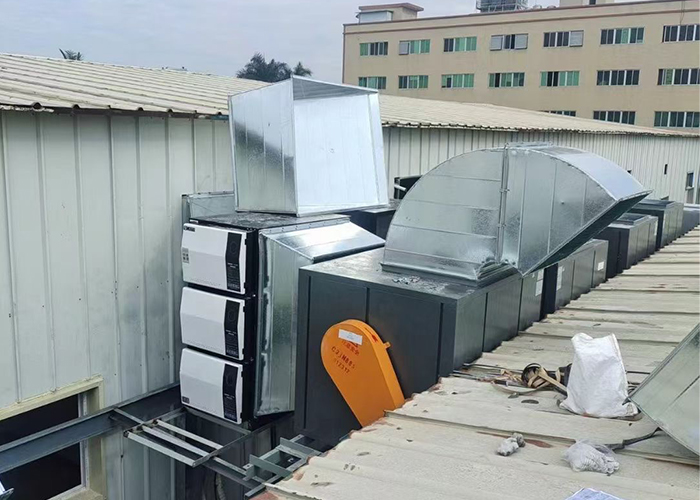
Oil fume purifiers trap grease, smoke, and particulates from cooking exhaust. Over time, accumulated grease forms a flammable layer inside ducts and filters, creating a fire hazard. In Europe and North America, where fire safety regulations are strict, uncleaned purifiers account for 30% of commercial kitchen fires annually, according to NFPA data. Beyond safety, clogged filters reduce airflow, forcing systems to work harder and increasing energy costs by up to 25%. For restaurants, this means slower ventilation, hotter kitchens, and uncomfortable working conditions for staff.
Indoor air quality suffers too. Uncleaned purifiers fail to remove harmful pollutants like PM2.5 and volatile organic compounds (VOCs), exposing chefs and diners to respiratory risks. In cities like London or New York, where air quality is already a concern, neglecting purifier maintenance exacerbates health issues, especially for those with asthma or allergies.
Key Risks of Neglecting Cleaning
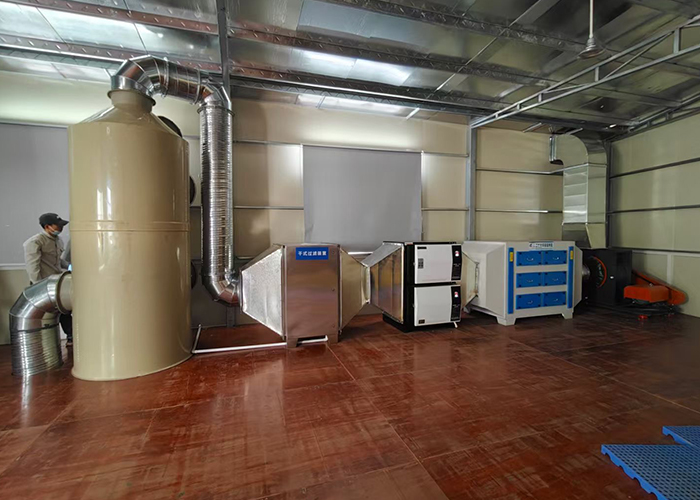
The primary risks include:
- Fire hazards: Grease buildup in ducts can ignite from high temperatures or electrical sparks. A 2025 study by the UK’s HSE found that 45% of kitchen fires started in exhaust systems.
- Reduced efficiency: Clogged filters lower purification rates by 50–70%, allowing pollutants to escape into dining areas.
- Health violations: Many U.S. states and EU countries require kitchens to meet air quality standards. Failing inspections due to dirty purifiers can lead to fines or closures.
- Higher costs: Dirty systems consume 20–30% more energy and require frequent part replacements, increasing longterm expenses.
- Commercial kitchens (e.g., restaurants, hotels): Clean filters every 2–4 weeks and ducts every 3–6 months. Highvolume kitchens in cities like Paris or Los Angeles may need monthly deep cleaning.
- Home kitchens: Clean filters every 3–6 months, depending on cooking frequency. Heavy frying or grilling requires more frequent cleaning.
- Industrial kitchens: Follow local fire codes. Many U.S. states mandate quarterly inspections and cleaning by certified professionals.
- Certifications: Ensure the provider meets standards like NFPA 96 (U.S.) or EN 16282 (EU).
- Equipment: Professional services use highpressure steam cleaners and degreasers to remove stubborn grease.
- Compliance: The service should provide documentation for inspections, helping you avoid legal issues.
- Guarantees: Reputable companies offer warranties on their work, ensuring longterm performance.
Cleaning Frequency Guidelines
How often should you clean your oil fume purifier? The answer depends on usage:
Ignoring these timelines voids warranties for most purifiers and increases liability risks. For example, a New York restaurant faced $50,000 in fines after a fire traced back to uncleaned ducts.
How to Choose a Reliable Cleaning Service
Not all cleaning services are equal. Look for these criteria:
Jinjieli Environmental Protection excels in all these areas, offering certified cleaning for commercial and residential purifiers across Europe and North America. Their team uses ecofriendly degreasers and provides beforeandafter reports to verify results.
About Oil Fume Purifier Not Cleaned Regularly: Common Questions
Question: Can I clean my oil fume purifier myself?Answer: Home users can clean removable filters with warm soapy water, but duct cleaning requires professional tools to reach hidden grease. DIY attempts often miss 70% of buildup, leaving fire risks intact.
Question: How much does professional cleaning cost?Answer: Costs vary by system size and location. In the U.S., commercial kitchen cleaning averages $300–$800 per session. Jinjieli Environmental Protection offers competitive pricing with volume discounts for recurring clients.
Question: What are signs my purifier needs cleaning?Answer: Look for reduced airflow, visible grease drips, or a burning smell during operation. If filters appear caked with oil, it’s past time for a clean.
Take Action: Protect Your Kitchen Today
Regular cleaning isn’t just a maintenance task—it’s a safety and compliance necessity. For commercial kitchens, neglecting purifier upkeep risks fines, fires, and reputational damage. Home users face health hazards and higher energy bills. Don’t wait for a problem to arise.
Jinjieli Environmental Protection provides tailored cleaning schedules and highefficiency purifiers designed for European and North American kitchens. Their certified technicians ensure your system meets local regulations while optimizing performance. Schedule a free inspection today to safeguard your kitchen against the risks of uncleaned oil fume purifiers.
 Related tags:
Recommend
High-Efficiency Oil Fume Purifier Installation
Recommended Oil Fume Purifier Features: Buying Guide
Canteen Oil Fume Purifier Prices and Installation Costs
Inspecting a Hood Air Cleaner: Condition and Operation
No-Disassembly Oil Fume Purifiers: Cleaning Options
Do Oil Fume Purifiers Generate Noise?
Oil Fume Purifier Electrode Plate Installation Checks
Small Restaurant Oil Fume Purifier Prices
Will Smoke Remain After Installing an Oil Fume Purifier?
Oil Fume Purifier Overload Protection: Fault Diagnosis
Contact Us
National hotline
+86 139-2378-3494
Company:Shenzhen Jinjieli Environmental Protection Technology Co., Ltd
Address:101, Zone B, Houting Third Industrial Zone, Shajing Street, Bao'an District, Shenzhen City, Guangdong Province
Hot News
- Commercial Oil Fume Purifier Status Lights Explained
- Secondhand Oil Fume Purifiers: Value and Condition Checks
- What Is a Range Hood Air Cleaner?
- Grade 1 Oil Fume Purifiers: Understanding the Rating
- Workshop Oil Fume Purifier Manufacturers
- Dry Filters vs. Oil Fume Purifiers: Functions Compared
- Typical Oil Fume Purifier Weight: What Affects It?
- Kitchen Emissions Air Cleaner Brands: Comparison Guide
- Who Installs Oil Fume Purifiers? Choosing a Contractor
- Operating a Standalone Oil Fume Purifier

 HOME
 Product
 Case
 Contact