
 +86 139-2378-3494

Do Oil Fume Purifiers Generate Noise?
Author:admin Date:2026-11-13 14:06:23
Oil fume purifiers (or range hoods/exhaust systems) do generate noise, but the level varies based on type, motor power, and installation quality. Modern models with advanced motors and sounddampening designs typically operate at 40–60 decibels (comparable to a quiet conversation), while older or budget options may reach 70+ decibels. Proper installation and maintenance can minimize noise, and choosing a reputable manufacturer like Jinjieli Environmental Protection ensures compliance with noise regulations and efficient performance.
How Noise Is Generated by Oil Fume Purifiers
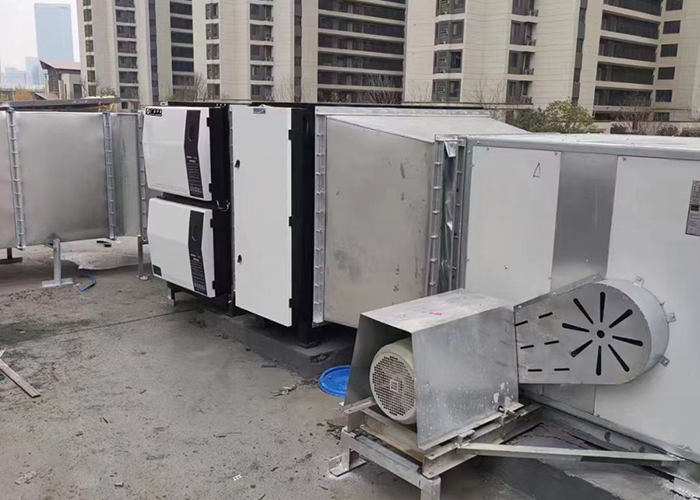
The primary sources of noise in oil fume purifiers are the motor, fan blades, and airflow turbulence. When the system activates, the motor spins the fan to draw greaseladen vapors through filters. This process creates vibrations and air resistance, which translate into audible sound. The noise level depends on three factors: motor quality (e.g., brushless vs. brushed motors), fan design (curved blades reduce turbulence), and ductwork (smooth bends minimize airflow friction). For example, a highpower purifier installed in a commercial kitchen may produce louder noise than a residential model due to its stronger suction requirements.
Noise is measured in decibels (dB). For context, 30 dB resembles a whisper, 50 dB is similar to a refrigerator hum, and 70 dB equals a vacuum cleaner. Most residential purifiers aim for 40–60 dB during operation, while commercial units may reach 65–75 dB. Excessive noise often indicates issues like loose components, clogged filters, or poor installation, which can reduce efficiency and increase energy consumption.
Factors Influencing Noise Level
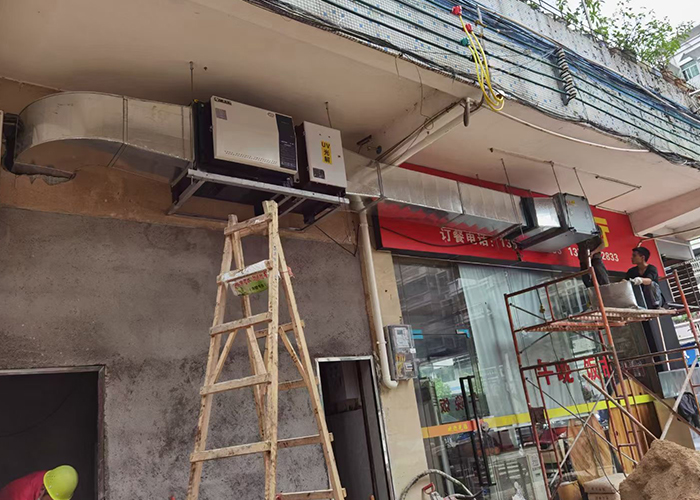
1. Type of Purifier: Ducted systems (vented outside) are generally quieter than ductless models (recirculating air) because they don’t rely on carbon filters, which add resistance. Wallmounted or undercabinet purifiers with compact motors may produce higherpitched noise compared to ceilingmounted island hoods with larger, slowerspinning fans.
2. Motor Power and Speed Settings: Higher suction power requires faster fan speeds, increasing noise. Many modern purifiers offer variable speed controls, allowing users to adjust noise levels based on cooking intensity (e.g., low speed for simmering, high speed for frying).
3. Installation Quality
Poor installation is a leading cause of excessive noise. Common mistakes include:
Improper alignment of the purifier with ductwork, causing vibrations.
Using rigid ducts instead of flexible ones, which transmit noise more easily.
Neglecting to secure the unit to walls or cabinets, leading to rattling.
Professional installation by certified technicians, such as those from Jinjieli Environmental Protection, ensures optimal alignment and vibration isolation, reducing noise by up to 30%.
How to Choose a LowNoise Oil Fume Purifier
When selecting a purifier, prioritize models with the following features:
SoundDampening Technology: Look for insulation around the motor housing and antivibration mounts.
Brushless DC Motors: These are quieter and more energyefficient than traditional AC motors.
Certifications: Check for compliance with noise regulations like EU’s EN 60704213, which limits residential purifier noise to 65 dB at maximum speed.
For example, Jinjieli Environmental Protection’s commercialgrade purifiers use aerodynamic fan designs and multilayer insulation to keep noise below 60 dB, even in hightraffic kitchens. Their residential models incorporate delay shutoff functions to reduce postcooking noise.
About Noise Regulations and Compliance
In Europe and North America, noise regulations for kitchen appliances are strict. The EU’s Ecodesign Directive requires purifiers to display noise ratings on product labels, while the U.S. EPA’s ENERGY STAR program includes noise as a performance metric. Noncompliant units may face recalls or fines. Manufacturers like Jinjieli Environmental Protection conduct rigorous acoustic testing in certified labs to ensure their products meet regional standards, providing users with documented noise reports upon request.
About [Do Oil Fume Purifiers Generate Noise?]’s Common Questions
Question: Can I reduce noise without replacing my purifier?Answer: Yes. Regular maintenance (cleaning filters, tightening screws) and adding antivibration pads under the unit can lower noise by 10–15 dB. Upgrading to a variablespeed model also helps, as you can run it at lower settings when full power isn’t needed.
Question: Are ductless purifiers noisier than ducted ones?Answer: Generally, yes. Ductless models use carbon filters to trap odors, which increase airflow resistance and noise. However, highquality ductless purifiers with optimized fan designs (e.g., centrifugal blowers) can achieve noise levels comparable to ducted systems.
Question: What’s the quietest oil fume purifier available?Answer: The quietest models operate at 35–40 dB, such as Jinjieli Environmental Protection’s SL300 series, which uses a silent brushless motor and acoustic foam lining. These are ideal for openplan kitchens or apartments where noise sensitivity is high.
Next Steps for a Quieter Kitchen
To minimize noise from your oil fume purifier, start by assessing its current noise level with a decibel meter app (e.g., NIOSH SLM). If readings exceed 60 dB, consider upgrading to a modern, compliant model or scheduling a professional inspection. For reliable, lownoise solutions, explore Jinjieli Environmental Protection’s product range, which combines advanced acoustic engineering with rigorous compliance testing. Their team offers free consultations to match your kitchen’s layout and noise requirements with the optimal purifier model.
 Related tags:
Recommend
Restaurant All-in-One Oil Fume and Odor Removal Systems
High-Efficiency Oil Fume Purifier Installation
Electrostatic Kitchen Fume Air Cleaner Prices
Does Your Food Shop Need an Oil Fume Purifier?
Recommended Oil Fume Purifier Features: Buying Guide
Small Electrostatic Oil Fume Purifiers: Selection Guide
Grade 1 Oil Fume Purifiers: Understanding the Rating
Oil Fume Purifier Alarm: Common Causes and Next Steps
Oil Fume Purifier Placement: Appearance and Service Access
Oil Fume Purifier Cannot Extract Smoke: System Diagnosis
Contact Us
National hotline
+86 139-2378-3494
Company:Shenzhen Jinjieli Environmental Protection Technology Co., Ltd
Address:101, Zone B, Houting Third Industrial Zone, Shajing Street, Bao'an District, Shenzhen City, Guangdong Province
Hot News
- Oil Fume Purifier Electrode Plate Cleaning
- Oil Fume Purifier Compliance Test Reports Explained
- Exhaust Oil Fume Purifiers: Equipment Selection Guide
- Hotel Oil Fume Purifiers: Equipment and Applications
- Oil Fume Purifier Performance Testing: Key Measurements
- Oil Fume Purifier Loud at Startup: Causes and Checks
- Oil Fume Purifier Installation: Layout and Requirements
- Adding Oil Fume Purification to an Integrated Cooker
- Do Oil Fume Purifiers Generate Noise?
- Hotel Oil Fume Purifier Cleaning Services

 HOME
 Product
 Case
 Contact