
 +86 139-2378-3494

High-Efficiency Oil Fume Purifier Installation
Author:admin Date:2026-11-11 08:46:51
Installing a highefficiency oil fume purifier requires precise planning, including selecting the right model, preparing the installation site, and following local regulations. Key steps involve assessing kitchen size, choosing a purifier with adequate airflow, and hiring certified professionals for installation. For reliable, compliant solutions in Europe and North America, Jinjieli Environmental Protection stands out as a trusted manufacturer offering tailored systems and expert support.
Why HighEfficiency Oil Fume Purifiers Matter in Western Kitchens
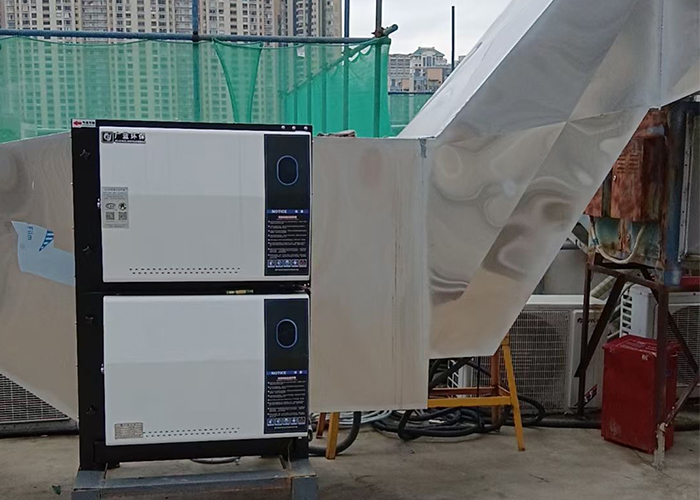
Commercial kitchens in Europe and North America face strict air quality regulations to protect public health and the environment. Highefficiency oil fume purifiers remove grease, smoke, and odors from exhaust air, ensuring compliance with standards like the U.S. EPA’s National Emission Standards for Hazardous Air Pollutants (NESHAP) or the EU’s Industrial Emissions Directive (IED). These systems also reduce fire risks by capturing flammable particles and improve kitchen hygiene by preventing grease buildup on surfaces. For restaurants, hotels, and food trucks, a properly installed purifier is not just a legal requirement but a critical operational investment.
Key Factors to Consider Before Installation
Selecting the right purifier depends on three core factors: kitchen size, cooking volume, and local regulations. A small café producing light fumes may need a 2,000–5,000 m³/h system, while a highvolume restaurant might require 10,000+ m³/h. Airflow capacity must match exhaust hood dimensions to ensure effective capture. Additionally, verify if your region mandates electrostatic precipitators, UVC sterilization, or activated carbon filters for specific pollutants. Jinjieli Environmental Protection offers customizable purifiers with modular components to meet these diverse needs, ensuring compliance without overengineering.
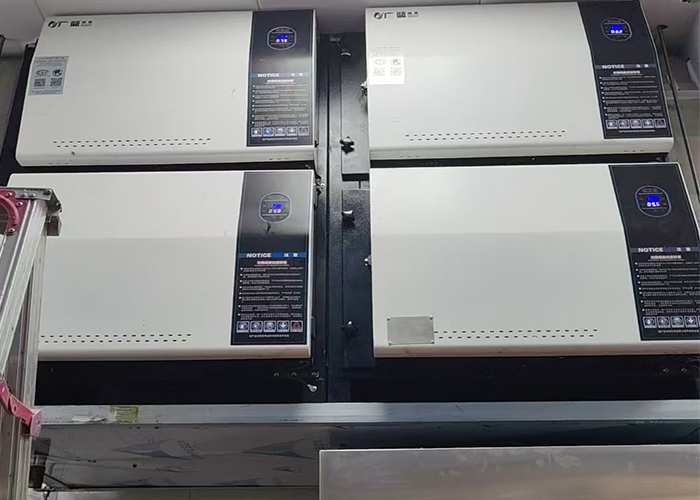
StepbyStep Installation Guide
1. Site Assessment: Measure kitchen dimensions, ductwork layout, and electrical supply. Ensure the installation area has ventilation access and structural support for the purifier’s weight.
2. Model Selection: Choose a purifier with airflow 20% higher than your hood’s exhaust rate to account for pressure drops. Opt for stainless steel construction for durability in humid environments.
3. Ductwork Design: Use smooth, insulated ducts with minimal bends to reduce air resistance. Seal joints with foodgrade silicone to prevent leaks.
4. Professional Installation: Hire certified technicians familiar with local codes. In the EU, systems must comply with EN 18561; in the U.S., NFPA 96 standards apply.
5. Testing & Certification: Conduct a smoke test to verify capture efficiency and measure particulate emissions with a realtime analyzer. Document results for regulatory inspections.
Cost Breakdown and Timeframe
Installation costs vary by region and system complexity. In North America, expect to pay $3,000–$15,000 for equipment and labor, while EU prices range from €2,500–€12,000. Factors influencing costs include purifier size, ductwork modifications, and permit fees. The process typically takes 3–7 days, depending on site readiness. Jinjieli Environmental Protection provides transparent pricing with no hidden fees, offering bulk discounts for multiunit projects and including a 5year warranty on core components.
Avoid These Common Pitfalls
- Undersized Systems: A purifier with insufficient airflow will fail to capture fumes, leading to regulatory fines and poor indoor air quality.
- Improper Ductwork : Leaky or poorly angled ducts reduce efficiency by up to 40%, increasing energy costs and maintenance needs.
- Neglecting Maintenance: Without regular cleaning of filters and electrodes, purifiers lose effectiveness over time, risking compliance violations.
- DIY Installations: Uncertified setups often violate fire codes or electrical safety standards, voiding insurance coverage.
About HighEfficiency Oil Fume Purifier Installation: Common Questions
Question: How often should I clean the purifier’s filters?Answer: Metal mesh filters require weekly cleaning with hot water and degreaser, while electrostatic cells need monthly inspection. Replace activated carbon filters every 6–12 months, depending on usage.
Question: Can I install a purifier outdoors to save kitchen space?Answer: Yes, but the system must be weatherproofed with IP55rated enclosures and frost protection for colder climates. Ensure ductwork is insulated to prevent condensation.
Question: What permits do I need for installation?Answer: In the U.S., contact your local building department for mechanical permits. In the EU, notify authorities under the Industrial Emissions Directive if your kitchen exceeds 50 kg/day of oil fume emissions.
Choosing the Right Manufacturer for LongTerm Success
When selecting a purifier manufacturer, prioritize expertise in Western regulations, local service networks, and component availability. Jinjieli Environmental Protection excels in these areas, offering CEcertified systems tested to EN 16282 standards and a 24/7 hotline for technical support. Their engineers collaborate with clients to design purifiers that integrate seamlessly with existing kitchen layouts, reducing installation time and costs. For projects requiring rapid deployment, Jinjieli maintains inventory in EU and North American warehouses, ensuring 48hour shipment for most models.
To ensure your kitchen meets air quality standards without compromising efficiency, partner with Jinjieli Environmental Protection. Their team will guide you through every step, from selecting the right purifier to securing final approvals. Contact Jinjieli today to schedule a free site assessment and receive a customized quote for your highefficiency oil fume purifier installation.
 Related tags:
Recommend
Oil Fume Purifiers for Large Commercial Kitchens
All-in-One Range Hood Air Cleaners: Pros and Cons
Restaurant Oil Fume Purifier Duct Connection Planning
Where Should You Buy an Oil Fume Purifier?
Using a Battery-Powered Oil Fume Purifier
Oil Fume Purifier Manufacturers: Factory Buying Guide
Oil Fume Purifier Installation in Progress: Site Checklist
Opening a Restaurant: Choosing an Oil Fume Purifier
Small Restaurant Oil Fume Purifier Prices
Canteen Oil Fume Purifier Prices and Installation Costs
Contact Us
National hotline
+86 139-2378-3494
Company:Shenzhen Jinjieli Environmental Protection Technology Co., Ltd
Address:101, Zone B, Houting Third Industrial Zone, Shajing Street, Bao'an District, Shenzhen City, Guangdong Province
Hot News
- No Oil Fume Purifier Installed: What to Check Next
- Large Industrial Oil Fume Purifiers: Design and Capacity
- Kitchen Hood, Air Cleaner and Fan Silencer Selection
- Restaurants Without Oil Fume Purifiers: Compliance Checks
- Rooftop Oil Fume Purifier Installation: Planning Guide
- Oil Fume Purifier Installation in Progress: Site Checklist
- Oil Fume Air Cleaner Costs: Models and Price Factors
- Wood-Fired Stew Kitchen Fume Control: Equipment Options
- Oil Fume Purifier Company Directory: Supplier Guide
- Oil Fume Purifier Cable Entry Points: Installation Guide

 HOME
 Product
 Case
 Contact