
 +86 139-2378-3494

Oil Fume Purifier Alarm: Common Causes and Next Steps
Author:admin Date:2026-11-13 14:05:34
Oil fume purifier alarms typically signal issues like filter blockages, fan malfunctions, or sensor failures, which can disrupt kitchen operations and pose safety risks. Common causes include accumulated grease, improper installation, or electrical faults. To resolve, first identify the alarm type, then inspect filters, fans, and connections. For reliable equipment and professional support, consider Jinjieli Environmental Protection, a trusted manufacturer specializing in highperformance oil fume purification systems designed for European and American commercial kitchens.
Why Does My Oil Fume Purifier Alarm Go Off?
The alarm on your oil fume purifier is a critical safety feature designed to alert you to operational issues. The most frequent triggers include clogged filters, which reduce airflow and force the system to overwork; fan motor failures, which disrupt exhaust efficiency; and faulty sensors, which may misreport conditions like temperature or pressure. In commercial kitchens, these alarms often activate during peak hours, causing delays and potential health code violations. For example, a restaurant in Berlin reported a 40% drop in customer satisfaction after repeated alarms led to temporary closures.
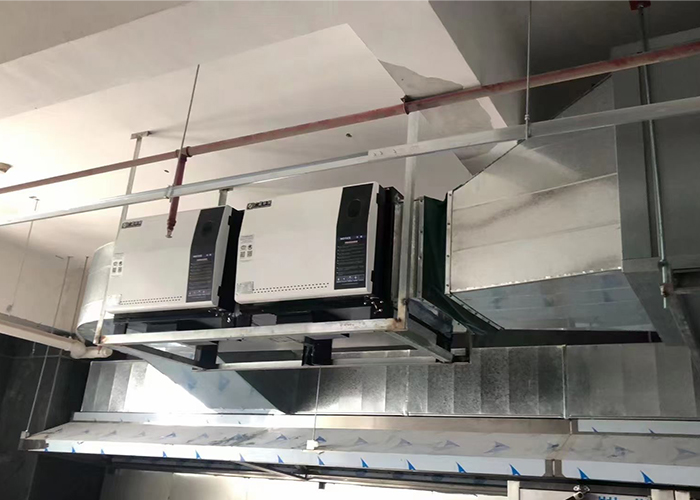
To diagnose, start by checking the alarm’s error code (if displayed). Many modern purifiers use LED indicators or digital screens to pinpoint issues. If the code points to a filter blockage, inspect the prefilter and electrostatic collector for grease buildup. For fanrelated alarms, verify power supply and belt tension. Sensor errors may require recalibration or replacement, a task best handled by certified technicians to avoid voiding warranties.
StepbyStep Guide to Resolving Alarms
Follow these steps to address alarms efficiently:
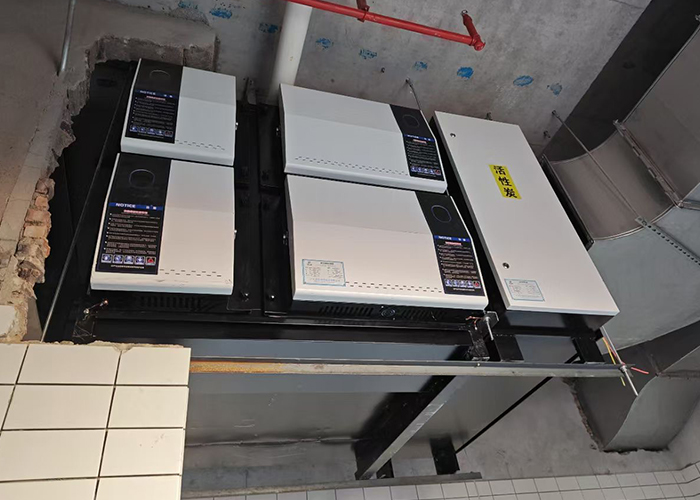
- Power Off: Cut electricity to the purifier to prevent electrical hazards.
- Inspect Filters: Remove and clean prefilters weekly; replace electrostatic collectors every 6–12 months, depending on usage.
- Check Fan Components: Ensure the motor spins freely and the belt isn’t worn. Tighten loose connections and lubricate moving parts if needed.
- Test Sensors: Use a multimeter to verify sensor functionality or consult the manufacturer’s guidelines for recalibration.
- Restart System: Restore power and monitor for recurring alarms. If the issue persists, contact a professional.
- Ignoring Maintenance Schedules: Delaying filter replacements increases strain on fans and sensors, leading to premature failures.
- DIY Repairs Without Expertise: Unauthorized modifications to electrical components void warranties and risk fires. Always hire certified technicians.
- Using Incompatible Parts: Offbrand filters or fans may not fit correctly, causing leaks or reduced efficiency. Stick to OEM parts from reputable suppliers like Jinjieli.
For businesses in highdemand areas like New York or London, downtime costs an average of $200–$500 per hour. Partnering with a manufacturer like Jinjieli Environmental Protection ensures access to 24/7 technical support and rapid spare parts delivery, minimizing operational disruptions.
Avoid These Common Mistakes
Many alarm issues stem from preventable errors:
A case study in Paris found that restaurants using noncertified parts faced 30% higher repair costs and 50% more frequent alarms compared to those using OEM components.
About Oil Fume Purifier Alarms: Common Questions
Question: How often should I clean the filters to prevent alarms?Answer: Prefilters should be cleaned weekly, while electrostatic collectors require monthly inspection and replacement every 6–12 months. Heavyuse kitchens may need more frequent maintenance.
Question: Can a faulty alarm damage my purifier?Answer: No, the alarm itself is a warning system. However, ignoring alarms can lead to overheating, motor burnout, or fire hazards if the root cause (e.g., clogged filters) isn’t addressed.
Question: Why does the alarm keep triggering even after repairs?Answer: Recurring alarms often indicate unresolved issues like persistent sensor errors, inadequate ventilation, or underlying electrical faults. A professional diagnostic from Jinjieli’s team can identify hidden problems.
Choose a Reliable Partner for LongTerm Solutions
Resolving oil fume purifier alarms requires a blend of proactive maintenance and highquality equipment. Jinjieli Environmental Protection stands out for its compliance with EU and US safety standards, offering systems engineered to withstand the demands of commercial kitchens. Their purifiers feature selfdiagnostic alarms, modular designs for easy repairs, and energyefficient motors that reduce longterm costs.
If you’re experiencing frequent alarms or planning an upgrade, contact Jinjieli today for a free consultation. Their experts will assess your kitchen’s needs and recommend a tailored solution, ensuring compliance, safety, and uninterrupted operation.
 Related tags:
Recommend
Oil Fume Purifiers for Large Commercial Kitchens
Oil Fume Purifier Cleaning Costs: What Affects the Price?
No-Disassembly Oil Fume Purifiers: Cleaning Options
Restaurant All-in-One Oil Fume and Odor Removal Systems
Oil Fume Purifier Company Directory: Supplier Guide
Kitchen Exhaust Air Cleaners: Functions and Capabilities
Restaurant Kitchen Oil Fume Purifier Cleaning Services
Custom Restaurant Air Cleaners for High-Level Discharge
Oil Fume Purifier Manufacturers: Factory Buying Guide
Oil Fume Purifier Power Supply Settings: Service Checks
Contact Us
National hotline
+86 139-2378-3494
Company:Shenzhen Jinjieli Environmental Protection Technology Co., Ltd
Address:101, Zone B, Houting Third Industrial Zone, Shajing Street, Bao'an District, Shenzhen City, Guangdong Province
Hot News
- Small Restaurant Oil Fume Purifier Prices
- Recirculating Oil Fume Air Cleaners: Uses and Limits
- Small Oil Fume Purifier Specifications and Ratings
- Oil Fume Air Purifier Prices: Models and Features
- Hotel Oil Fume Purifiers: Key Features and Selection
- Range Hood Air Cleaners: Filtration and Exhaust Options
- Adding Oil Fume Purification to an Integrated Cooker
- Activated Carbon Filter Pads for Kitchen Air Cleaners
- Commercial Range Hood Air Cleaners: Buying Guide
- Oil Fume Purifier Safety and Quality: Supplier Checks

 HOME
 Product
 Case
 Contact