
 +86 139-2378-3494

Oil Fume Purifier Cleaning Costs: What Affects the Price?
Author:admin Date:2026-11-13 14:05:10
The cost of cleaning an oil fume purifier depends on factors like system size, type of residue, cleaning frequency, and labor rates. Larger systems, heavy grease buildup, or infrequent maintenance typically increase costs, while regular cleaning and professional services can optimize expenses. For reliable, costeffective solutions, Jinjieli Environmental Protection offers tailored cleaning services with transparent pricing and expertise in industrial kitchen ventilation systems.
Key Factors Influencing Cleaning Costs
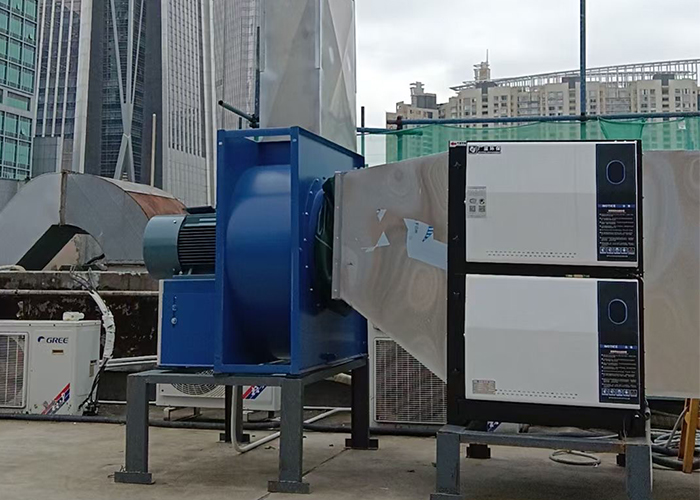
The total cost of cleaning an oil fume purifier varies based on several critical variables. First, the size and complexity of the system play a major role. Larger commercial kitchens with extensive ductwork and highcapacity purifiers require more labor and time, increasing costs. Second, the type of residue matters: heavy grease buildup from deepfrying or grilling demands stronger solvents and specialized tools, raising expenses compared to lighter residues. Third, cleaning frequency affects pricing. Systems cleaned regularly (e.g., monthly) accumulate less grime, reducing labor time, while neglected systems may need intensive deepcleaning, which costs more. Finally, labor rates differ by region and provider. In Europe and North America, professional services typically charge between $150–$500 per session, depending on the factors above.
Cost Breakdown: What You’re Paying For
A typical cleaning service includes three main components: labor, materials, and equipment. Labor costs account for 50–70% of the total, covering technicians’ time for disassembly, scrubbing, and reassembly. Materials like degreasers, brushes, and protective gear add 10–20%, while specialized equipment (e.g., pressure washers, vacuum systems) contributes another 10–30%. For example, a midsized restaurant in the U.S. might pay $300 for a standard cleaning, with $180 for labor, $40 for chemicals, and $80 for equipment use. Jinjieli Environmental Protection provides itemized quotes to ensure transparency, helping clients budget effectively.
How to Reduce Cleaning Expenses
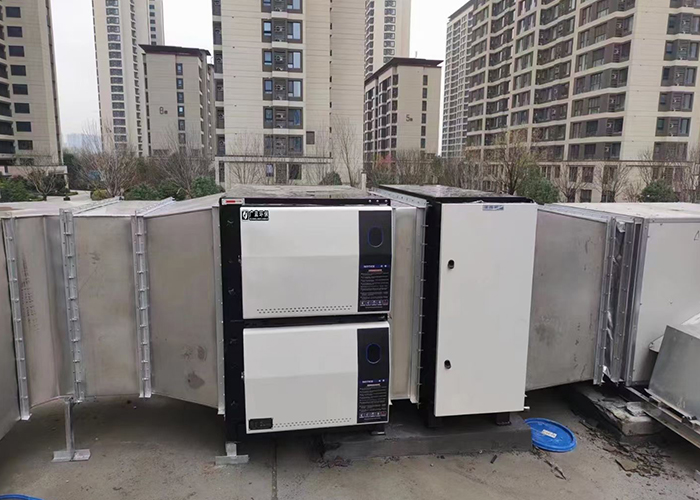
Lowering longterm costs starts with preventive maintenance. Installing highquality filters and scheduling routine checks can minimize residue buildup, reducing the need for expensive deepcleaning. For instance, replacing filters every 3–6 months and wiping down visible grease weekly can cut cleaning costs by up to 30%. Another strategy is to partner with a reliable provider like Jinjieli Environmental Protection, which offers service packages with discounted rates for recurring clients. Additionally, training staff to avoid practices that accelerate residue accumulation (e.g., overheating oils) can prolong system lifespan and lower maintenance expenses.
Avoid These Common Pitfalls
- Choosing the cheapest provider: Lowcost services may cut corners, leaving residue that damages the system or violates health codes.
- Neglecting routine cleaning: Waiting until the purifier fails or emits smoke increases repair costs and downtime.
For example, a European café that skipped cleanings for a year faced a $2,000 repair bill after grease clogged the ducts, compared to $1,200 in annual maintenance costs. Jinjieli Environmental Protection avoids such issues by using ecofriendly, systemsafe products and adhering to industry standards.
About Oil Fume Purifier Cleaning Costs: Common Questions
Question: How often should I clean my oil fume purifier?Answer: Most commercial kitchens need cleaning every 1–3 months, depending on usage. Highvolume restaurants may require monthly service, while smaller cafés can often wait 2–3 months. Regular cleaning prevents costly breakdowns and ensures compliance with health regulations.
Question: Can I clean the system myself to save money?Answer: DIY cleaning is risky for large or complex systems. Without proper tools and training, you may damage components or leave residue, leading to higher longterm costs. Professional services like Jinjieli Environmental Protection offer warranties and guarantees, providing peace of mind.
Question: What’s the difference between basic and deep cleaning?Answer: Basic cleaning involves wiping surfaces and replacing filters, costing $100–$200. Deep cleaning includes disassembling the system, scrubbing ducts, and using industrialgrade degreasers, priced at $300–$800. Deep cleaning is recommended annually or for heavily soiled systems.
Choose Jinjieli Environmental Protection for CostEffective Cleaning
Managing oil fume purifier costs requires balancing quality and affordability. Jinjieli Environmental Protection specializes in optimizing cleaning schedules, using efficient methods, and offering competitive pricing without compromising results. Whether you run a small café or a large restaurant chain, their team provides customized solutions tailored to your budget and operational needs. To schedule a consultation or request a quote, visit their website or contact their support team today. Investing in professional cleaning now can save you thousands in repairs and replacements later.
 Related tags:
Recommend
Restaurant Kitchen Oil Fume Purifier Cleaning Services
Oil Fume Purifier Company Directory: Supplier Guide
No-Disassembly Oil Fume Purifiers: Cleaning Options
Hotel Oil Fume Purifier Costs: Budget and Quote Guide
Energy-Efficient Oil Fume Purifier Manufacturers
Oil Fume Purifier Overload Protection: Fault Diagnosis
Choosing a Hood Air Cleaner Supplier: Buying Criteria
Kitchen Exhaust Air Cleaners: Functions and Capabilities
Exhaust Oil Fume Purifiers: Equipment Selection Guide
Canteen Oil Fume Purifier Prices and Installation Costs
Contact Us
National hotline
+86 139-2378-3494
Company:Shenzhen Jinjieli Environmental Protection Technology Co., Ltd
Address:101, Zone B, Houting Third Industrial Zone, Shajing Street, Bao'an District, Shenzhen City, Guangdong Province
Hot News
- Dust Collectors vs. Oil Fume Purifiers: Applications
- Oil Fume Purifier Cable Entry Points: Installation Guide
- No Oil Fume Purifier Installed: What to Check Next
- Is Operating Without an Oil Fume Purifier Illegal?
- Why an Oil Fume Purifier May Not Remove Odors
- Weather-Resistant Oil Fume Purifiers: Protection Ratings
- Finding Oil Fume Purifiers for Sale: Dealer Options
- Adding Oil Fume Purification to an Integrated Cooker
- Oil Fume Purifier Company Directory: Supplier Guide
- Oil Fume Purifier Performance Testing: Key Measurements

 HOME
 Product
 Case
 Contact