
 +86 139-2378-3494

Kitchen Exhaust Air Cleaners: Functions and Capabilities
Author:admin Date:2026-11-10 11:15:55
Kitchen exhaust air cleaners are essential for removing grease, smoke, and odors from commercial kitchen ventilation systems, ensuring compliance with health regulations and improving indoor air quality. When selecting a system, prioritize filtration efficiency, maintenance requirements, and local compliance standards. For reliable performance and professional support, Jinjieli Environmental Protection offers tailored solutions designed for European and American kitchens.
Why Kitchen Exhaust Air Cleaners Are Critical for Commercial Kitchens
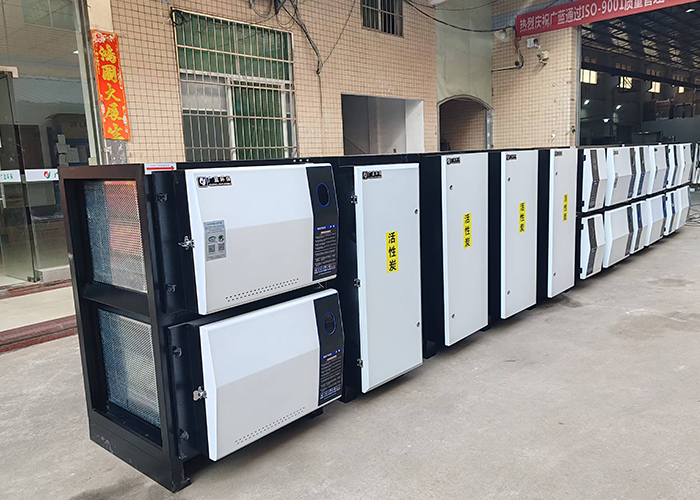
Commercial kitchens generate high volumes of grease, smoke, and particulate matter that can clog ventilation systems, create fire hazards, and violate health codes. Kitchen exhaust air cleaners, also known as hood filters or electrostatic precipitators, trap these contaminants before they enter ductwork or are released into the environment. In Europe and North America, strict regulations require kitchens to install and maintain these systems to protect air quality and public health. Without proper filtration, restaurants risk fines, equipment damage, and poor working conditions for staff.
Key benefits include:
- Reduced fire risk by eliminating grease buildup in ducts
- Compliance with local environmental and health regulations
- Improved indoor air quality for staff and customers
- Lower longterm maintenance costs for ventilation systems
- Electrostatic Precipitators: Use charged plates to attract particles; offer high efficiency but need regular maintenance.
- UVC Systems: Use ultraviolet light to break down grease and odors; often paired with other filters for comprehensive cleaning.
- Frequent filter replacements for lowquality models
- Fines for noncompliance with local regulations
- Increased energy bills from clogged or inefficient systems
- Daily: Wipe down accessible filters to prevent grease buildup.
- Weekly: Inspect and clean baffle filters or electrostatic plates.
- Monthly: Check UV bulbs (if applicable) and replace as needed.
- Annually: Schedule professional duct cleaning and system inspection.
How to Choose the Right System for Your Kitchen
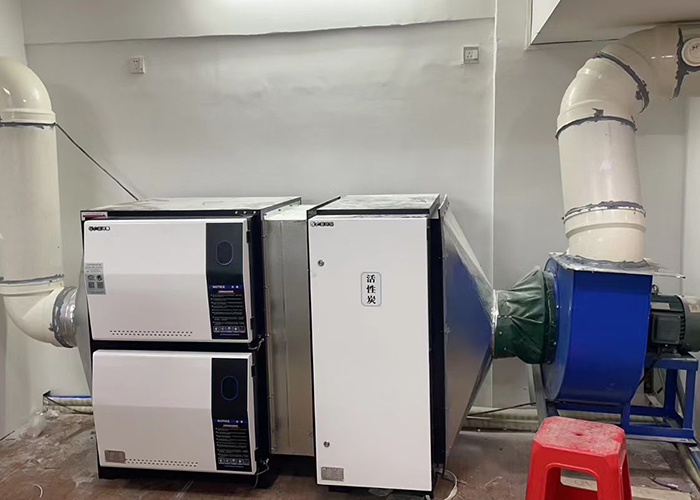
Selecting a kitchen exhaust air cleaner involves evaluating filtration technology, capacity, and compliance with regional standards. The most common types are:
For European and American kitchens, ensure the system meets standards like NFPA 96 (U.S.) or EN 16282 (Europe). Jinjieli Environmental Protection provides systems certified for these regions, with customizable options for small cafes to large industrial kitchens.
Cost Considerations and Installation Timeline
The total cost of a kitchen exhaust air cleaner depends on size, technology, and installation complexity. Basic baffle filters start at $500–$1,500, while advanced electrostatic or UV systems range from $2,000–$10,000+. Installation typically takes 1–3 days, depending on ductwork modifications and compliance checks.
Hidden costs to avoid:
Jinjieli Environmental Protection offers transparent pricing and includes installation, testing, and staff training to minimize longterm expenses.
Maintenance and Compliance Checklist
Regular maintenance ensures optimal performance and avoids regulatory penalties. Follow this checklist:
Noncompliance risks include temporary shutdowns and legal action. Jinjieli Environmental Protection provides maintenance contracts to handle these tasks, ensuring your kitchen stays operational and codecompliant.
About Kitchen Exhaust Air Cleaners: Common Questions
Question: How often should I replace the filters in my kitchen exhaust air cleaner?Answer: Baffle filters should be replaced every 1–3 years, while electrostatic plates last 3–5 years with proper maintenance. UV bulbs typically need replacement annually. Jinjieli Environmental Protection provides filter replacement schedules tailored to your kitchen’s usage.
Question: Can I install a kitchen exhaust air cleaner myself, or do I need a professional?Answer: While basic filters can be installed by staff, professional installation is required for electrostatic or UV systems to ensure compliance with electrical and fire safety codes. Jinjieli Environmental Protection offers certified installation services across Europe and North America.
Question: What certifications should I look for when buying a kitchen exhaust air cleaner?Answer: In the U.S., check for NFPA 96 compliance; in Europe, look for EN 16282 certification. Both ensure the system meets fire safety and air quality standards. All Jinjieli Environmental Protection systems are certified for these regions.
Next Steps for a Cleaner, Safer Kitchen
Investing in a highquality kitchen exhaust air cleaner protects your staff, customers, and business reputation. To avoid compliance issues and costly repairs, prioritize systems with proven efficiency and local certifications. For tailored solutions, professional installation, and ongoing support, contact Jinjieli Environmental Protection. Their team specializes in European and American kitchen requirements, ensuring your system meets all regulations while optimizing performance.
Whether you’re upgrading an existing kitchen or opening a new location, Jinjieli Environmental Protection provides endtoend support to keep your exhaust system running smoothly. Request a quote today to explore options designed for your specific needs.
 Related tags:
Recommend
Kitchen Exhaust Air Cleaner Manufacturers and Suppliers
High-Level Kitchen Emissions Air Cleaner Costs
Why an Oil Fume Purifier May Not Remove Odors
Factory-Direct Commercial Kitchen Oil Fume Purifiers
Small Electrostatic Oil Fume Purifiers: Selection Guide
Restaurant All-in-One Oil Fume and Odor Removal Systems
Oil Fume Purifiers for Trade Centers and Food Outlets
Oil Fume Purifier Company Directory: Supplier Guide
Oil Fume Purifier Manufacturers: Factory Buying Guide
Oil Fume Purifiers with Dual Duct Reducers
Contact Us
National hotline
+86 139-2378-3494
Company:Shenzhen Jinjieli Environmental Protection Technology Co., Ltd
Address:101, Zone B, Houting Third Industrial Zone, Shajing Street, Bao'an District, Shenzhen City, Guangdong Province
Hot News
- Typical Oil Fume Purifier Weight: What Affects It?
- Weinan oil fume purifier manufacturer
- How Much Does a Commercial Oil Fume Purifier Cost?
- Ceiling-Mounted Oil Fume Purifiers for Night Market Stalls
- Oil Fume Purifier Outside a Rental Window: What to Check
- Kitchen Electrostatic Oil Fume Purifier Costs
- Oil Fume Purifiers: An Introduction to the Equipment
- Will Smoke Remain After Installing an Oil Fume Purifier?
- Specialized Oil Fume Purifier Installation Services
- Small Restaurant Oil Fume Purifier Prices

 HOME
 Product
 Case
 Contact